Holiday Facts

Trending Now

The Bank Vault Stuffed With Aging Cheese Wheels

The Bank Vault Stuffed With Aging Cheese Wheels

One Italian bank holds a collateral that ages, molds, and grows tastier by the month.

Read more
The Beatles Hid a Sound Only Dogs Could Hear

The Beatles Hid a Sound Only Dogs Could Hear

One Beatles track ends with a sound most humans will never actually hear.

Read more
The Pope's Body After Death: A Strange Rule

The Pope's Body After Death: A Strange Rule

One of these Pope-related claims is completely true, the other is made up. Find out which one actually happened.

Read more
The Poison Wafers Sold as Beauty Pills

The Poison Wafers Sold as Beauty Pills

Victorian women swallowed a deadly element daily, chasing a look we'd never risk today.

Read more
The 1957 Ad Stunt That Fooled a Nation

The 1957 Ad Stunt That Fooled a Nation

One man claimed he could control shoppers' minds. The truth took years to surface.

Read more
See All Content
logo
  • Sports

  • History

  • Language

  • Food

  • Tech

  • Animals

  • Sports
  • History
  • Language
  • Food
  • Tech
  • Animals
  • ​

Why Candy Canes Are Mint Flavored: It Was an Accident

Candy canes and peppermint go together like Christmas and snow, right? Except peppermint wasn't the original flavor, wasn't traditional, and only became "the" candy cane flavor because of a supplier's mistake in the 1920s. Everything you think you know about this holiday classic is based on an accident.

The first candy canes appeared in Germany around 1670 – and they weren't mint flavored. They weren't even flavored at all. They were just plain white sugar sticks that a choirmaster gave to children to keep them quiet during long Christmas services. The hook shape supposedly represented a shepherd's crook, linking them to the nativity story.

For over 200 years, candy canes remained plain, white, and unflavored. When they came to America in the 1800s, they were still just sugar sticks. Some candy makers started adding stripes and various flavors – wintergreen was actually more common than peppermint.

Then in 1919, a candy maker named Bob McCormack in Albany, Georgia, started mass-producing candy canes by hand. His brother-in-law, a Catholic priest named Gregory Keller, even invented a machine in the 1950s to automate the process of twisting and bending them into their distinctive shape.

Here's where the accident happened: McCormack's main flavoring supplier made a mistake on a large order in the early 1920s. Instead of sending the usual mix of flavors, they sent an enormous shipment of peppermint flavoring by mistake – way more than McCormack could use for anything else.

Rather than waste it or send it back, McCormack decided to use it all in his candy canes. The peppermint candy canes were a hit, partly because peppermint was associated with Christmas through other holiday candies and partly because the strong minty flavor simply stood out.

But here's the kicker: other candy makers saw McCormack's success and assumed peppermint was the "traditional" flavor. They started copying him, and within a few decades, peppermint became so dominant that people forgot candy canes ever came in other flavors.

By the 1950s and 60s, peppermint candy canes were everywhere, and the idea that they'd always been mint became accepted as fact. The accident had completely rewritten history.

Today, about 90% of candy canes sold are peppermint flavored, and most people have no idea that this "tradition" is less than 100 years old and started with a shipping error.

So next time you're eating a peppermint candy cane and thinking about cherished Christmas traditions, remember: you're actually tasting the result of a 1920s logistics mistake that became so popular it erased centuries of actual tradition. That "authentic" flavor is pure accident.
Related Content

Holiday Facts

30 December 2025

Post

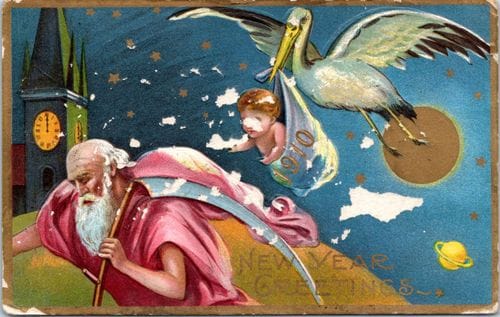
The History of the New Year's Baby vs Old Man Time

The New Year's Baby and Old Man Time mascots symbolize the year changing. Both were invented by political cartoonists in the 1800s to sell newspapers....

Holiday Facts

28 December 2025

Post

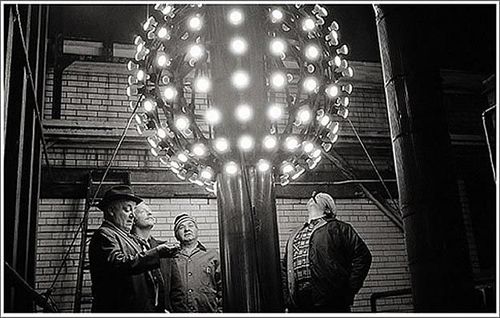
The First Ball Drop Almost Killed People

The 1907 Times Square ball was 700 pounds of iron and wood. It nearly fell during the first drop, almost killing the crowd below....

Holiday Facts

26 December 2025

Post

Why Boxing Day Is Called Boxing Day

Boxing Day started as the one day British servants got off after working Christmas. They received boxes of leftovers and tips from their employers....

Holiday Facts

25 December 2025

Post

Christmas Trees Started as Pagan Worship of Odin

Decorating evergreen trees at winter originated with Germanic tribes honoring Odin....

Holiday Facts

24 December 2025

Post

Santa Claus Did Not Always Wear Red

Before Coca-Cola's marketing campaign, Santa was depicted in blue, green, and purple across different cultures....

Holiday Facts

21 December 2025

Post

Why We Eat Ham for Christmas Dinner

Christmas ham started as a pagan winter solstice sacrifice that Christians tried to ban but couldn't....

Holiday Facts

20 December 2025

Post

Why We Threaten Bad Kids with Coal for Christmas

The threat of coal in your stocking started as Italian families giving actual heating fuel as gifts. Somehow it morphed into the ultimate Christmas punishment....

Holiday Facts

19 December 2025

Post

Why Do Department Store Santas Exist?

One department store's 1890 marketing stunt created the tradition of sitting on Santa's lap. Now it's a billion-dollar industry that defines Christmas....

Holiday Facts

18 December 2025

Post

The Great Christmas Tree Shortage

Christmas tree shortages happen every few years because it takes 7-10 years to grow a tree. Farmers are always playing catch-up with demand they can't predict....

Holiday Facts

17 December 2025

Post

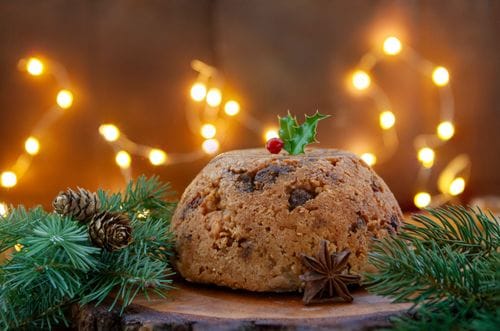
The Bizarre History of Figgy Pudding

Carolers demanded figgy pudding for centuries, but most people have no idea what it actually is or why it became a Christmas tradition worth singing about....

Holiday Facts

15 December 2025

Post

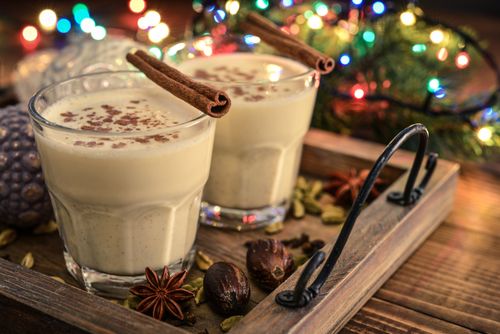
The Rebellious Origins of Eggnog

British aristocrats hoarded eggs and milk as status symbols. American colonists created alcoholic egg custard to mock them. Now we all drink it every Christmas....

Holiday Facts

13 December 2025

Post

The Real Reason We Hang Stockings at Christmas

Christmas stockings started as Dutch wooden shoes filled with hay for St. Nicholas's horse. Now we stuff them with gifts more expensive than actual presents....

Holiday Facts

11 December 2025

Post

Why Mistletoe Became a Kissing Tradition

Mistletoe's kissing tradition started with Norse mythology, poison, and the death of a god—then merged with Druidic fertility rituals and Roman peace pacts....

Holiday Facts

26 November 2025

Post

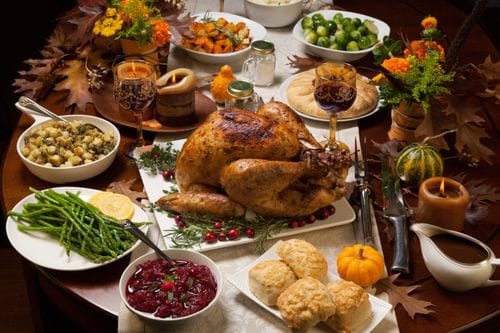
Why Thanksgiving Dinner Knocks You Out (It's Not Turkey)

Everyone blames turkey for Thanksgiving sleepiness, but tryptophan isn't the real culprit. The truth behind your post-dinner nap is hiding in plain sight....

Holiday Facts

20 February 2025

Post

The History of Fireworks: A Sparkling Invention from Ancient China

Fireworks light up the skies during celebrations worldwide, but their origins trace back to ancient China over 2,000 years ago. Initially, they weren’t the ......
Terms and ConditionsDo Not Sell or Share My Personal InformationPrivacy PolicyPrivacy NoticeAccessibility NoticeUnsubscribe
Copyright © 2026 Fun Fact Feed