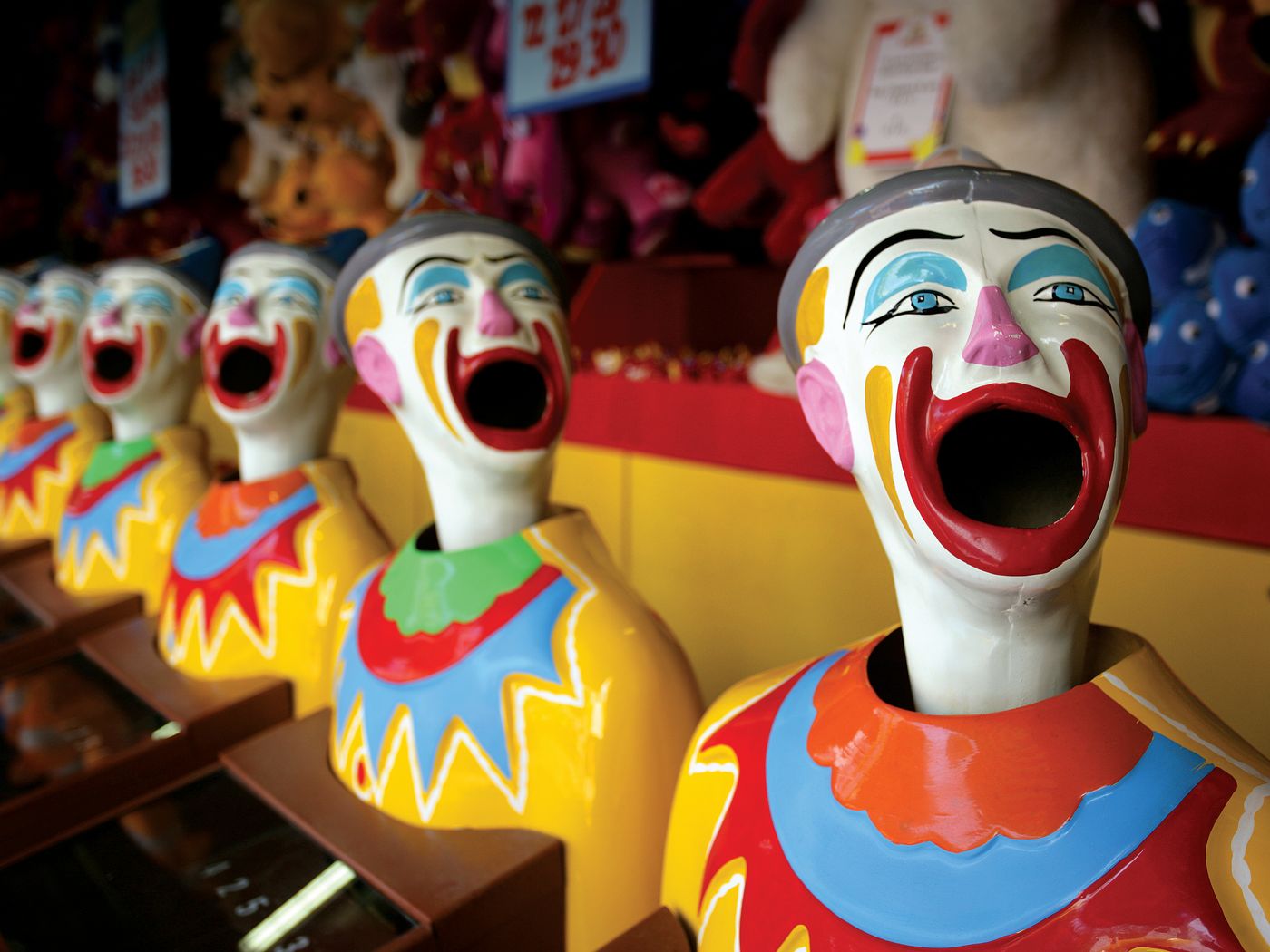
Clowns are supposed to make people laugh. Somehow, they've become one of Halloween's scariest costumes. Here are three clown facts that sound made up, and every single one of them is true.
1. Why clowns creep people out
It's mostly the makeup, and specifically what it hides. In a study published in Frontiers in Psychology, University of South Wales researchers surveyed 987 adults from 64 countries, and more than half said they were afraid of clowns at least to some degree.
The strongest factor was hidden emotional signals. Behind the paint, you can't tell whether a clown is smiling, frowning or angry, so you can't read what he might do next. The classic look doesn't help either: white skin and a red mouth can suggest pallor and disease.
The surprise was what didn't matter much. Very few people blamed a bad personal experience with a clown. Scary movies played a bigger role, but the researchers point out that some people are even afraid of Ronald McDonald, who was never meant to be frightening.
2. The year America panicked over clowns
In late summer 2016, reports surfaced in South Carolina of clowns trying to lure children into the woods. None were ever confirmed, but within weeks, clown sightings had been reported in more than two dozen states, along with school lockdowns, threats and arrests.
Most turned out to be pranks or hoaxes, but the fear was real. The White House press secretary was even asked about it and said law enforcement was taking the threats seriously.
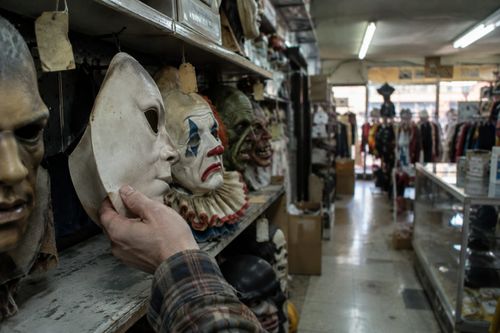
Businesses reacted too. Target pulled clown masks from its 1,800 stores and website just weeks before Halloween, and McDonald's had Ronald McDonald keep a lower profile until things calmed down.
3. How clowns protect their faces
Clowns follow an unwritten rule: never copy another clown's face. To enforce it, Clowns International, the oldest clown society, keeps a registry of members' makeup designs painted onto eggs.
It started in 1946, when a London clown named Stan Bult began painting clowns' faces onto emptied chicken eggs. The real shells kept breaking, so today's versions are ceramic, and an artist can spend up to three days on a single egg, often working from swatches of the clown's wig and costume.
Most of the eggs now sit in a museum in the English village of Wookey Hole, where hundreds of painted faces stare out from behind glass, including a set of famous clowns who have since died. Clowns gather in person, too: every February, a church service in London draws them in full costume.