Fun Facts

Trending Now

Viagra Facts: A Heart Drug, Blue Vision and Hamsters

Viagra Facts: A Heart Drug, Blue Vision and Hamsters

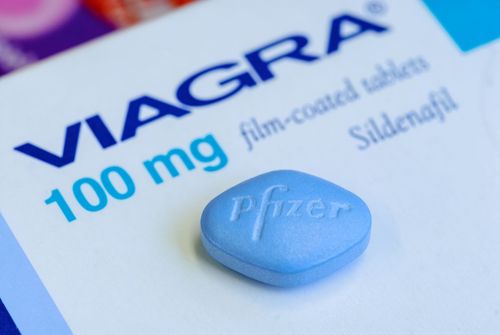
Why Viagra began as a heart drug, how it can tint your vision blue and why the FAA cares, and the hamster jet lag study that won an Ig Nobel Prize.

Read more
Cannibalism: 3 True Stories You Won't Believe

Cannibalism: 3 True Stories You Won't Believe

Which state bans cannibalism, why the CDC warned about placenta pills, and how a tribe's funeral ritual may have left a gene that fights brain disease.

Read more
The Laughing Sickness That Shut Down Schools

The Laughing Sickness That Shut Down Schools

In 1962, three schoolgirls started laughing and a whole region couldn't stop. Nobody was joking.

Read more
The Surprising Origin of the Movie Trailer

The Surprising Origin of the Movie Trailer

One of these claims about the first movie trailer is true, and one is completely made up. Can you guess which one really happened?

Read more
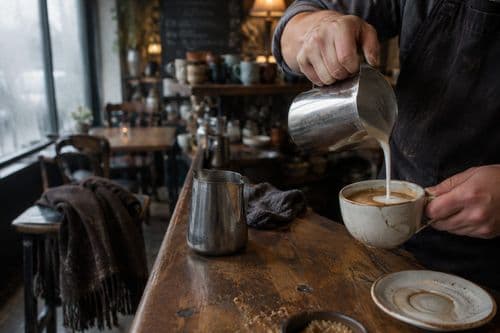
Your Latte Art Is Named After a Monk's Hood

Your Latte Art Is Named After a Monk's Hood

A Sunday coffee order shares its name with a monk's wardrobe and a monkey. Here's the link.

Read more
See All Content
logo
  • Sports

  • History

  • Language

  • Food

  • Tech

  • Animals

  • Sports
  • History
  • Language
  • Food
  • Tech
  • Animals
  • ​

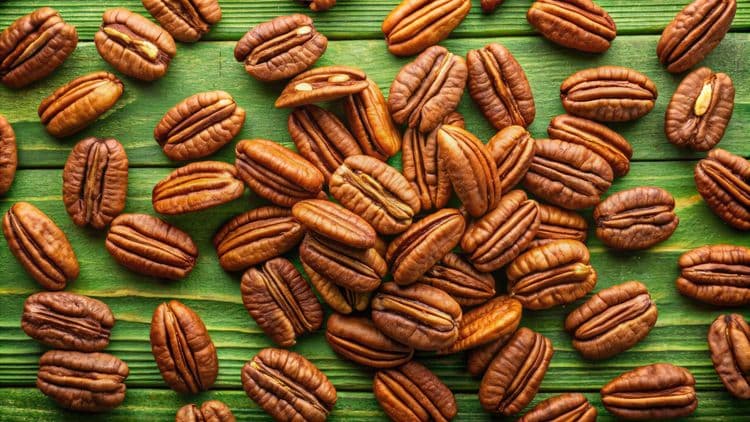
The Word "Pecan" Comes from the Algonquin Word “Pakani”

The Word "Pecan" Comes from the Algonquin Word “Pakani”

Pecans, which grow on large trees native to the southern United States, are the only major tree nut indigenous to North America. For centuries, Indigenous communities recognized the value of pecans as a rich source of protein and essential nutrients. They also created “powcohicora, ” an early form of pecan milk, by grinding the nuts and mixing them with water. Pecans were not only a dietary staple but also an important resource for trade, providing sustenance that could be easily stored and transported.

As European settlers arrived, they quickly adopted pecans into their diets, appreciating the nut’s sweet, buttery flavor. By the 18th century, pecans had gained popularity beyond Indigenous communities and began to spread throughout the colonies. With their versatility, pecans became a beloved ingredient in American kitchens, especially in the South, where they were used in both savory and sweet dishes. Pecan pie, a classic dessert, emerged as a favorite, celebrating the nut’s rich flavor and cultural heritage.

Today, the United States is the world’s largest producer of pecans, with states like Georgia, Texas, and New Mexico leading in production. The unique climate and soil of these regions create ideal conditions for pecan trees to thrive. Each year, millions of pounds of pecans are harvested and enjoyed not only in the U. S. but also around the world, where they are celebrated as a quintessential American nut. In fact, pecans are so beloved that they have been designated the official state nut of Texas!

Pecan trees are notable for their longevity and size, often growing over 100 feet tall and producing nuts for many decades. These impressive trees contribute to the ecological diversity of the southern U. S. , providing habitat and food for wildlife. The pecan’s role in the ecosystem, combined with its historical and culinary significance, highlights the nut’s importance beyond the kitchen.

In addition to their delicious taste, pecans are packed with health benefits, offering heart-healthy fats, antioxidants, and essential minerals like magnesium and zinc. This makes pecans not only a tasty addition to various dishes but also a nutritious one. From salads and granola to baked goods and holiday treats, pecans add a touch of richness to countless recipes.

Whether enjoyed in a slice of pecan pie, sprinkled on a salad, or as a snack, pecans are a symbol of North American heritage. Their journey from Indigenous food source to culinary icon speaks to their adaptability and timeless appeal, making them a truly remarkable part of America’s natural and cultural landscape.
Related Content

History Facts

Fun Facts

10 November 2026

Post

Viagra Facts: A Heart Drug, Blue Vision and Hamsters

Why Viagra began as a heart drug, how it can tint your vision blue and why the FAA cares, and the hamster jet lag study that won an Ig Nobel Prize....

History Facts

Fun Facts

09 November 2026

Post

Cannibalism: 3 True Stories You Won't Believe

Which state bans cannibalism, why the CDC warned about placenta pills, and how a tribe's funeral ritual may have left a gene that fights brain disease....

History Facts

Fun Facts

09 November 2026

Post

The Laughing Sickness That Shut Down Schools

In 1962, three schoolgirls started laughing and a whole region couldn't stop. Nobody was joking....

History Facts

Fun Facts

09 November 2026

Post

The Surprising Origin of the Movie Trailer

One of these claims about the first movie trailer is true, and one is completely made up. Can you guess which one really happened?...

Language Facts

Fun Facts

08 November 2026

Post

Your Latte Art Is Named After a Monk's Hood

A Sunday coffee order shares its name with a monk's wardrobe and a monkey. Here's the link....

Tech Facts

Fun Facts

08 November 2026

Post

How NASA Sends Tools to Astronauts in Orbit

One of these claims about NASA and tools for astronauts is true, and one is completely made up. Can you guess which one really happened?...

History Facts

Fun Facts

08 November 2026

Post

Tattoos: The Iceman, Ink in Your Nodes (+1 More)

Ötzi's 5,300-year-old tattoos, where your tattoo ink really travels in your body, and the company that frames a dead loved one's actual tattooed skin....

History Facts

Fun Facts

07 November 2026

Post

The Taboo Word That Broke Through Ad Breaks

One of these claims about a taboo word in a 1980s TV commercial is true, and one is completely made up. Can you guess which one really happened?...

Sports Facts

Fun Facts

07 November 2026

Post

Why a Marathon Is Exactly 26.2 Miles Long

The odd number behind every marathon traces back to one summer day in London. Here's how it happened....

History Facts

Fun Facts

07 November 2026

Post

Starbucks Secrets: Pequod, the CIA and Fecal Ice

The Moby-Dick name Starbucks almost used, the secret store inside CIA headquarters and the 2017 UK investigation that found fecal bacteria in coffee shop ice....

History Facts

Fun Facts

06 November 2026

Post

Lobotomies: 3 True Stories That Sound Made Up

How lobotomies won a Nobel Prize, why a 12-year-old was operated on for being a kid, and the secret Kennedy family surgery that was hidden for decades....

Food

Fun Facts

06 November 2026

Post

The Curious Case of How Spam Got Its Name

One of these claims about how Spam got its name is true, and one is completely made up. Can you guess which one really happened?...

Language Facts

Fun Facts

06 November 2026

Post

A Frustrated Author, a Word List, and a Hat

A famous children's book began as a publisher's headache. The author hated the assignment....

Food

Fun Facts

05 November 2026

Post

The Sweet Secret Behind a Sitcom Kitchen Table

One of these claims about a famous sitcom's kitchen-table dessert is true, and one isn't. Can you guess which behind-the-scenes story really happened?...

History Facts

Fun Facts

05 November 2026

Post

The Lottery Was Rigged: 3 Wild True Stories

A fortune cookie that picked 110 winners, a live TV drawing rigged to hit 666 and the security director who rigged jackpots: three true lottery scandals....
Terms and ConditionsDo Not Sell or Share My Personal InformationPrivacy PolicyPrivacy NoticeAccessibility NoticeUnsubscribe
Copyright © 2026 Fun Fact Feed