Fun Facts

Trending Now

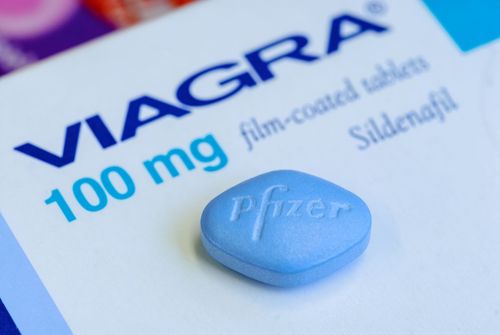
Viagra Facts: A Heart Drug, Blue Vision and Hamsters

Viagra Facts: A Heart Drug, Blue Vision and Hamsters

Why Viagra began as a heart drug, how it can tint your vision blue and why the FAA cares, and the hamster jet lag study that won an Ig Nobel Prize.

Read more
Cannibalism: 3 True Stories You Won't Believe

Cannibalism: 3 True Stories You Won't Believe

Which state bans cannibalism, why the CDC warned about placenta pills, and how a tribe's funeral ritual may have left a gene that fights brain disease.

Read more
The Laughing Sickness That Shut Down Schools

The Laughing Sickness That Shut Down Schools

In 1962, three schoolgirls started laughing and a whole region couldn't stop. Nobody was joking.

Read more
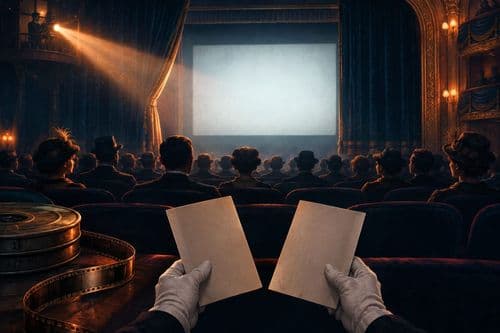
The Surprising Origin of the Movie Trailer

The Surprising Origin of the Movie Trailer

One of these claims about the first movie trailer is true, and one is completely made up. Can you guess which one really happened?

Read more
Your Latte Art Is Named After a Monk's Hood

Your Latte Art Is Named After a Monk's Hood

A Sunday coffee order shares its name with a monk's wardrobe and a monkey. Here's the link.

Read more
See All Content
logo
  • Sports

  • History

  • Language

  • Food

  • Tech

  • Animals

  • Sports
  • History
  • Language
  • Food
  • Tech
  • Animals
  • ​

The Sputnik 1 Signaled the Beginning of the Space Age

The Sputnik 1 Signaled the Beginning of the Space Age

The first human-made object to reach space was the V-2 rocket, launched by Germany in 1944, marking a pivotal moment in rocketry. However, it was the Soviet Union’s Sputnik 1, launched on October 4, 1957, that truly signaled the beginning of the Space Age. Sputnik 1, a small, metallic satellite, was the first artificial object to orbit Earth, capturing the world’s attention as it transmitted radio pulses heard across the globe. This achievement sparked a wave of excitement and curiosity, as nations and scientists realized the vast potential of space exploration.

The launch of Sputnik 1 ignited the Space Race, a fierce competition between the United States and the Soviet Union to achieve dominance in space technology. Within a few years of Sputnik’s launch, both countries poured resources into developing new space programs, leading to breakthroughs in satellite technology, astronaut training, and rocket engineering. Just a few years later, in 1961, Soviet cosmonaut Yuri Gagarin became the first human to journey into space, orbiting Earth aboard the spacecraft Vostok 1. His successful mission underscored the Soviet Union's advancements and spurred the United States to accelerate its own space initiatives.

In response, the United States launched the Apollo program, which aimed to put a human on the moon. This ambitious goal was realized on July 20, 1969, when NASA astronauts Neil Armstrong and Buzz Aldrin landed on the lunar surface, with Armstrong famously proclaiming, "That's one small step for man, one giant leap for mankind. " The Apollo 11 mission was a historic victory, marking a turning point in the Space Race and cementing humanity’s first direct exploration beyond Earth.

These early milestones laid the groundwork for today’s advanced space missions. From the development of space stations and planetary probes to interstellar research, the achievements of the Space Age continue to shape our understanding of the cosmos. The curiosity and innovation sparked by the Space Race paved the way for international cooperation in space exploration, such as the establishment of the International Space Station (ISS) and ambitious plans for Mars exploration.

Today, the legacy of these pioneering missions lives on, inspiring new generations of scientists, engineers, and explorers. The drive to push beyond Earth’s boundaries has only grown, with private companies, research institutions, and space agencies worldwide working together to uncover the mysteries of the universe. Sputnik 1, Gagarin’s journey, and the Apollo moon landing remain symbols of human ingenuity and determination, sparking a lasting fascination with the boundless possibilities of space exploration.
Related Content

History Facts

Fun Facts

10 November 2026

Post

Viagra Facts: A Heart Drug, Blue Vision and Hamsters

Why Viagra began as a heart drug, how it can tint your vision blue and why the FAA cares, and the hamster jet lag study that won an Ig Nobel Prize....

History Facts

Fun Facts

09 November 2026

Post

Cannibalism: 3 True Stories You Won't Believe

Which state bans cannibalism, why the CDC warned about placenta pills, and how a tribe's funeral ritual may have left a gene that fights brain disease....

History Facts

Fun Facts

09 November 2026

Post

The Laughing Sickness That Shut Down Schools

In 1962, three schoolgirls started laughing and a whole region couldn't stop. Nobody was joking....

History Facts

Fun Facts

09 November 2026

Post

The Surprising Origin of the Movie Trailer

One of these claims about the first movie trailer is true, and one is completely made up. Can you guess which one really happened?...

Language Facts

Fun Facts

08 November 2026

Post

Your Latte Art Is Named After a Monk's Hood

A Sunday coffee order shares its name with a monk's wardrobe and a monkey. Here's the link....

Tech Facts

Fun Facts

08 November 2026

Post

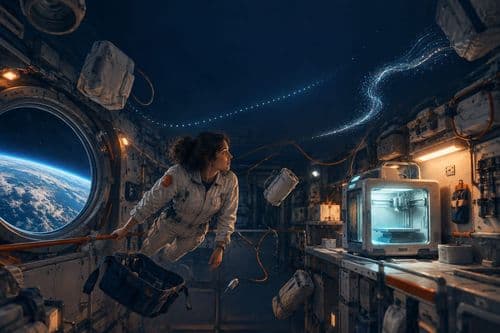
How NASA Sends Tools to Astronauts in Orbit

One of these claims about NASA and tools for astronauts is true, and one is completely made up. Can you guess which one really happened?...

History Facts

Fun Facts

08 November 2026

Post

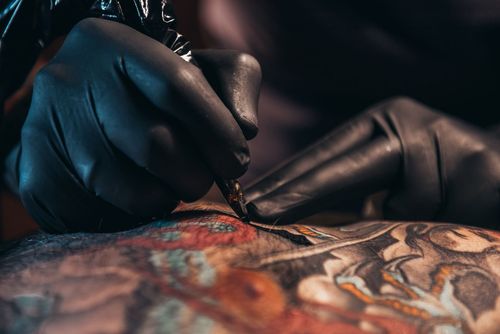
Tattoos: The Iceman, Ink in Your Nodes (+1 More)

Ötzi's 5,300-year-old tattoos, where your tattoo ink really travels in your body, and the company that frames a dead loved one's actual tattooed skin....

History Facts

Fun Facts

07 November 2026

Post

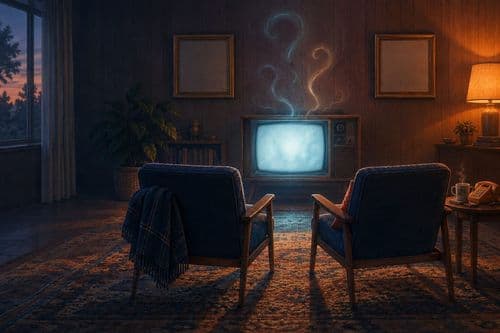
The Taboo Word That Broke Through Ad Breaks

One of these claims about a taboo word in a 1980s TV commercial is true, and one is completely made up. Can you guess which one really happened?...

Sports Facts

Fun Facts

07 November 2026

Post

Why a Marathon Is Exactly 26.2 Miles Long

The odd number behind every marathon traces back to one summer day in London. Here's how it happened....

History Facts

Fun Facts

07 November 2026

Post

Starbucks Secrets: Pequod, the CIA and Fecal Ice

The Moby-Dick name Starbucks almost used, the secret store inside CIA headquarters and the 2017 UK investigation that found fecal bacteria in coffee shop ice....

History Facts

Fun Facts

06 November 2026

Post

Lobotomies: 3 True Stories That Sound Made Up

How lobotomies won a Nobel Prize, why a 12-year-old was operated on for being a kid, and the secret Kennedy family surgery that was hidden for decades....

Food

Fun Facts

06 November 2026

Post

The Curious Case of How Spam Got Its Name

One of these claims about how Spam got its name is true, and one is completely made up. Can you guess which one really happened?...

Language Facts

Fun Facts

06 November 2026

Post

A Frustrated Author, a Word List, and a Hat

A famous children's book began as a publisher's headache. The author hated the assignment....

Food

Fun Facts

05 November 2026

Post

The Sweet Secret Behind a Sitcom Kitchen Table

One of these claims about a famous sitcom's kitchen-table dessert is true, and one isn't. Can you guess which behind-the-scenes story really happened?...

History Facts

Fun Facts

05 November 2026

Post

The Lottery Was Rigged: 3 Wild True Stories

A fortune cookie that picked 110 winners, a live TV drawing rigged to hit 666 and the security director who rigged jackpots: three true lottery scandals....
Terms and ConditionsDo Not Sell or Share My Personal InformationPrivacy PolicyPrivacy NoticeAccessibility NoticeUnsubscribe
Copyright © 2026 Fun Fact Feed