Fun Facts

Trending Now

The Colony That Outlawed Christmas

The Colony That Outlawed Christmas

One of these claims about a colonial-era Christmas crackdown is true, and one is completely made up. Can you guess which one really happened?

Read more
The Boss's Computer Built Cyber Monday

The Boss's Computer Built Cyber Monday

In 2005, a shopping holiday leaned on one workplace perk. Guess which.

Read more
The Year Thanksgiving Split the Country

The Year Thanksgiving Split the Country

One of these claims about a presidential Thanksgiving feud is true, and one isn't. Can you guess which story really happened?

Read more
The Sled Test That Gave Pessimism Its Name

The Sled Test That Gave Pessimism Its Name

A famous saying about things going wrong began in a desert lab. The story is messier than you'd guess.

Read more
The White House Thanksgiving Raccoon Story

The White House Thanksgiving Raccoon Story

One of these claims about a Thanksgiving gift to a president's family is true, and one is made up. Can you guess which one really happened?

Read more
See All Content
logo
  • Sports

  • History

  • Language

  • Food

  • Tech

  • Animals

  • Sports
  • History
  • Language
  • Food
  • Tech
  • Animals
  • ​

The Science Behind Why Time Feels Faster as You Age

Remember when summer vacation felt like it lasted forever when you were a kid? Now a year flies by in what feels like a month. This isn't just your imagination or nostalgia – your brain actually processes time differently as you age, and the reason is both fascinating and kind of depressing.

When you're 10 years old, one year represents 10% of your entire life. When you're 50, one year is only 2% of your life. This proportional difference makes each year feel shorter and less significant as you age. One theory suggests your brain perceives time relative to how much you've already lived.

But there's more going on than just math. Your brain creates memories based on new experiences, and as you age, you have fewer genuinely new experiences. When you're a child, almost everything is new – your first day of school, your first sleepover, learning to ride a bike. Each novel experience creates strong, detailed memories.

As an adult, your life becomes more routine. You drive the same route to work, eat similar meals, follow the same weekly schedule. Your brain doesn't bother encoding routine experiences into detailed memories because it's already seen them before. This is efficient for brain function but creates a time perception problem.

When you look back on a year, your brain judges how long it was based on how many distinct memories you formed. A childhood summer with dozens of new experiences feels long in retrospect because you have so many memories. An adult year doing the same routine feels short because there's less to remember.

Scientists call this "reminiscence bump." Studies show that people in their 60s and 70s have the most vivid memories from ages 15-25, when they were having the most new experiences. The years before and after that period feel like they passed more quickly because fewer distinctive memories were formed.

There's also a biological component: your metabolism slows as you age. Some researchers believe that because your body's internal processes are running slower, your perception of external time speeds up by comparison. It's like how time seems to drag when you're feverish – your body is running faster than normal, so everything else feels slow.

Your brain's processing speed also decreases with age. Children's brains fire signals faster and process visual information more quickly. This means children literally see more "frames" of reality per second than adults do. To a child's faster-processing brain, time moves more slowly.

The most depressing part? This acceleration of time perception gets worse as you age. Each decade feels shorter than the last. By the time you're elderly, years can feel like months used to feel.

But here's the slightly hopeful part: you can fight this effect by seeking out new experiences. Travel to new places, learn new skills, break your routines. When you create novel experiences, your brain forms more distinct memories, which makes time feel slower in retrospect.

So if you've been feeling like years are flying by faster than they used to, you're not imagining it. Your brain is literally experiencing time differently than it did when you were younger – and the only way to slow it down is to stop living on autopilot and start making new memories.


Related Content

History Facts

Fun Facts

10 November 2026

Post

A Hostage Waits at the Palace Whenever the King Visits

Every year, a politician is held at a palace so the monarch comes home safe. Here's why....

History Facts

Fun Facts

10 November 2026

Post

The Strange Story of Gunpowder and Pigeon Droppings

One of these claims about England's old gunpowder-and-pigeon-dung business is true, and one isn't. Can you guess which one really happened?...

History Facts

Fun Facts

10 November 2026

Post

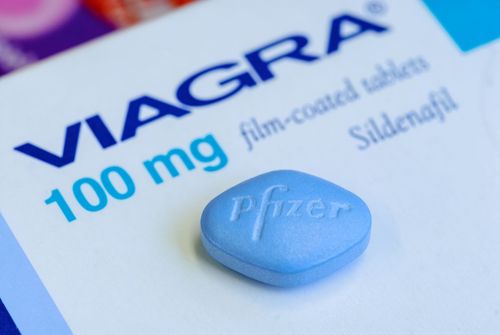
Viagra Facts: A Heart Drug, Blue Vision and Hamsters

Why Viagra began as a heart drug, how it can tint your vision blue and why the FAA cares, and the hamster jet lag study that won an Ig Nobel Prize....

History Facts

Fun Facts

09 November 2026

Post

Cannibalism: 3 True Stories You Won't Believe

Which state bans cannibalism, why the CDC warned about placenta pills, and how a tribe's funeral ritual may have left a gene that fights brain disease....

History Facts

Fun Facts

09 November 2026

Post

The Laughing Sickness That Shut Down Schools

In 1962, three schoolgirls started laughing and a whole region couldn't stop. Nobody was joking....

History Facts

Fun Facts

09 November 2026

Post

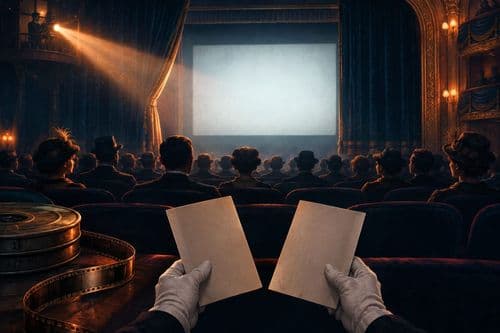
The Surprising Origin of the Movie Trailer

One of these claims about the first movie trailer is true, and one is completely made up. Can you guess which one really happened?...

Language Facts

Fun Facts

08 November 2026

Post

Your Latte Art Is Named After a Monk's Hood

A Sunday coffee order shares its name with a monk's wardrobe and a monkey. Here's the link....

Tech Facts

Fun Facts

08 November 2026

Post

How NASA Sends Tools to Astronauts in Orbit

One of these claims about NASA and tools for astronauts is true, and one is completely made up. Can you guess which one really happened?...

History Facts

Fun Facts

08 November 2026

Post

Tattoos: The Iceman, Ink in Your Nodes (+1 More)

Ötzi's 5,300-year-old tattoos, where your tattoo ink really travels in your body, and the company that frames a dead loved one's actual tattooed skin....

History Facts

Fun Facts

07 November 2026

Post

The Taboo Word That Broke Through Ad Breaks

One of these claims about a taboo word in a 1980s TV commercial is true, and one is completely made up. Can you guess which one really happened?...

Sports Facts

Fun Facts

07 November 2026

Post

Why a Marathon Is Exactly 26.2 Miles Long

The odd number behind every marathon traces back to one summer day in London. Here's how it happened....

History Facts

Fun Facts

07 November 2026

Post

Starbucks Secrets: Pequod, the CIA and Fecal Ice

The Moby-Dick name Starbucks almost used, the secret store inside CIA headquarters and the 2017 UK investigation that found fecal bacteria in coffee shop ice....

History Facts

Fun Facts

06 November 2026

Post

Lobotomies: 3 True Stories That Sound Made Up

How lobotomies won a Nobel Prize, why a 12-year-old was operated on for being a kid, and the secret Kennedy family surgery that was hidden for decades....

Food

Fun Facts

06 November 2026

Post

The Curious Case of How Spam Got Its Name

One of these claims about how Spam got its name is true, and one is completely made up. Can you guess which one really happened?...

Language Facts

Fun Facts

06 November 2026

Post

A Frustrated Author, a Word List, and a Hat

A famous children's book began as a publisher's headache. The author hated the assignment....
Terms and ConditionsDo Not Sell or Share My Personal InformationPrivacy PolicyPrivacy NoticeAccessibility NoticeUnsubscribe
Copyright © 2026 Fun Fact Feed