Fun Facts

Trending Now

Viagra Facts: A Heart Drug, Blue Vision and Hamsters

Viagra Facts: A Heart Drug, Blue Vision and Hamsters

Why Viagra began as a heart drug, how it can tint your vision blue and why the FAA cares, and the hamster jet lag study that won an Ig Nobel Prize.

Read more
Cannibalism: 3 True Stories You Won't Believe

Cannibalism: 3 True Stories You Won't Believe

Which state bans cannibalism, why the CDC warned about placenta pills, and how a tribe's funeral ritual may have left a gene that fights brain disease.

Read more
The Laughing Sickness That Shut Down Schools

The Laughing Sickness That Shut Down Schools

In 1962, three schoolgirls started laughing and a whole region couldn't stop. Nobody was joking.

Read more
The Surprising Origin of the Movie Trailer

The Surprising Origin of the Movie Trailer

One of these claims about the first movie trailer is true, and one is completely made up. Can you guess which one really happened?

Read more
Your Latte Art Is Named After a Monk's Hood

Your Latte Art Is Named After a Monk's Hood

A Sunday coffee order shares its name with a monk's wardrobe and a monkey. Here's the link.

Read more
See All Content
logo
  • Sports

  • History

  • Language

  • Food

  • Tech

  • Animals

  • Sports
  • History
  • Language
  • Food
  • Tech
  • Animals
  • ​

The First Practical Electric Vehicle was Developed in the 1830s

The First Practical Electric Vehicle was Developed in the 1830s

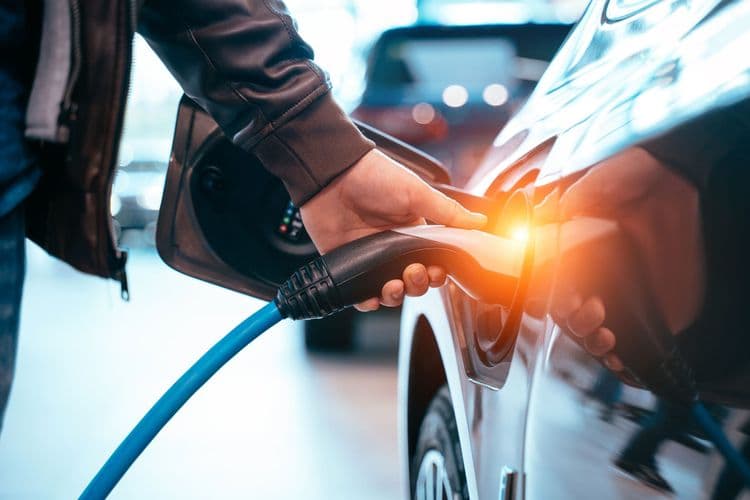
Electric cars actually date back to the 19th century, and by the early 1900s, they comprised about a third of all vehicles on American roads. The first practical electric vehicle emerged in the 1830s, developed as a battery-powered carriage, and by the late 1800s, these vehicles gained popularity due to their quiet operation, ease of use, and lack of exhaust fumes. Compared to early gasoline cars, electric vehicles were much cleaner and required less maintenance, making them especially appealing in urban areas where smoke and pollution from coal-burning engines were common.

During this period, electric cars were seen as a sophisticated choice, favored by urbanites, doctors, and women for their smooth, easy ride. Unlike gasoline-powered cars, which required hand-cranking to start and frequent gear changes, electric vehicles offered a simpler, push-button start and no need for shifting gears. This convenience made them highly desirable, and for a time, electric cars appeared poised to dominate the automotive market.

However, the landscape changed dramatically in 1908 when Henry Ford introduced the Model T, a gasoline-powered car that was affordable and mass-produced on assembly lines. This breakthrough in manufacturing made gasoline vehicles far cheaper and more accessible to the average consumer. Soon, advancements in the internal combustion engine, along with the discovery of abundant oil reserves, accelerated the shift to gasoline-powered cars, leaving electric vehicles largely by the wayside.

By the mid-20th century, electric vehicles had all but disappeared from the mainstream, but the concept never truly vanished. Fast-forward to the 21st century, and electric vehicles have made a remarkable comeback. Advances in battery technology, such as lithium-ion batteries, along with growing environmental concerns, have spurred renewed interest in electric cars. Leading automotive companies and startups alike have embraced the shift toward cleaner energy, recognizing electric vehicles as essential for reducing carbon emissions and addressing climate change.

Today, electric cars are once again transforming the landscape of transportation, with sleek designs, powerful ranges, and fast-charging capabilities. They represent not just a return to an older technology but an evolution toward a more sustainable and innovative future. Electric vehicles now symbolize a commitment to environmental responsibility and technological progress, bringing the story of electric cars full circle as they become a major force in the future of transportation.
Related Content

History Facts

Fun Facts

10 November 2026

Post

Viagra Facts: A Heart Drug, Blue Vision and Hamsters

Why Viagra began as a heart drug, how it can tint your vision blue and why the FAA cares, and the hamster jet lag study that won an Ig Nobel Prize....

History Facts

Fun Facts

09 November 2026

Post

Cannibalism: 3 True Stories You Won't Believe

Which state bans cannibalism, why the CDC warned about placenta pills, and how a tribe's funeral ritual may have left a gene that fights brain disease....

History Facts

Fun Facts

09 November 2026

Post

The Laughing Sickness That Shut Down Schools

In 1962, three schoolgirls started laughing and a whole region couldn't stop. Nobody was joking....

History Facts

Fun Facts

09 November 2026

Post

The Surprising Origin of the Movie Trailer

One of these claims about the first movie trailer is true, and one is completely made up. Can you guess which one really happened?...

Language Facts

Fun Facts

08 November 2026

Post

Your Latte Art Is Named After a Monk's Hood

A Sunday coffee order shares its name with a monk's wardrobe and a monkey. Here's the link....

Tech Facts

Fun Facts

08 November 2026

Post

How NASA Sends Tools to Astronauts in Orbit

One of these claims about NASA and tools for astronauts is true, and one is completely made up. Can you guess which one really happened?...

History Facts

Fun Facts

08 November 2026

Post

Tattoos: The Iceman, Ink in Your Nodes (+1 More)

Ötzi's 5,300-year-old tattoos, where your tattoo ink really travels in your body, and the company that frames a dead loved one's actual tattooed skin....

History Facts

Fun Facts

07 November 2026

Post

The Taboo Word That Broke Through Ad Breaks

One of these claims about a taboo word in a 1980s TV commercial is true, and one is completely made up. Can you guess which one really happened?...

Sports Facts

Fun Facts

07 November 2026

Post

Why a Marathon Is Exactly 26.2 Miles Long

The odd number behind every marathon traces back to one summer day in London. Here's how it happened....

History Facts

Fun Facts

07 November 2026

Post

Starbucks Secrets: Pequod, the CIA and Fecal Ice

The Moby-Dick name Starbucks almost used, the secret store inside CIA headquarters and the 2017 UK investigation that found fecal bacteria in coffee shop ice....

History Facts

Fun Facts

06 November 2026

Post

Lobotomies: 3 True Stories That Sound Made Up

How lobotomies won a Nobel Prize, why a 12-year-old was operated on for being a kid, and the secret Kennedy family surgery that was hidden for decades....

Food

Fun Facts

06 November 2026

Post

The Curious Case of How Spam Got Its Name

One of these claims about how Spam got its name is true, and one is completely made up. Can you guess which one really happened?...

Language Facts

Fun Facts

06 November 2026

Post

A Frustrated Author, a Word List, and a Hat

A famous children's book began as a publisher's headache. The author hated the assignment....

Food

Fun Facts

05 November 2026

Post

The Sweet Secret Behind a Sitcom Kitchen Table

One of these claims about a famous sitcom's kitchen-table dessert is true, and one isn't. Can you guess which behind-the-scenes story really happened?...

History Facts

Fun Facts

05 November 2026

Post

The Lottery Was Rigged: 3 Wild True Stories

A fortune cookie that picked 110 winners, a live TV drawing rigged to hit 666 and the security director who rigged jackpots: three true lottery scandals....
Terms and ConditionsDo Not Sell or Share My Personal InformationPrivacy PolicyPrivacy NoticeAccessibility NoticeUnsubscribe
Copyright © 2026 Fun Fact Feed