Trending Now

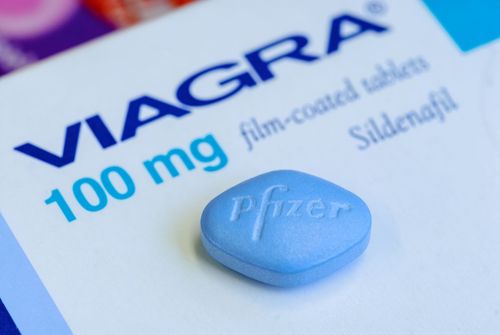
Viagra Facts: A Heart Drug, Blue Vision and Hamsters

Viagra Facts: A Heart Drug, Blue Vision and Hamsters

Why Viagra began as a heart drug, how it can tint your vision blue and why the FAA cares, and the hamster jet lag study that won an Ig Nobel Prize.

Read more
Cannibalism: 3 True Stories You Won't Believe

Cannibalism: 3 True Stories You Won't Believe

Which state bans cannibalism, why the CDC warned about placenta pills, and how a tribe's funeral ritual may have left a gene that fights brain disease.

Read more
The Laughing Sickness That Shut Down Schools

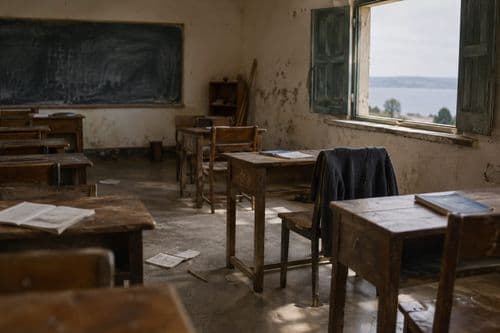
The Laughing Sickness That Shut Down Schools

In 1962, three schoolgirls started laughing and a whole region couldn't stop. Nobody was joking.

Read more
The Surprising Origin of the Movie Trailer

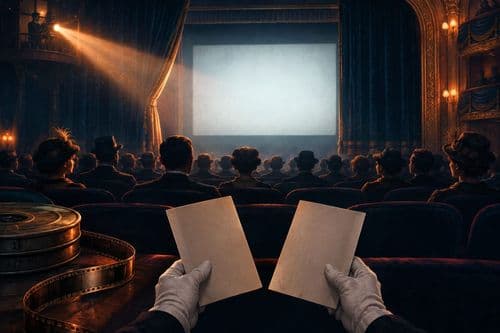
The Surprising Origin of the Movie Trailer

One of these claims about the first movie trailer is true, and one is completely made up. Can you guess which one really happened?

Read more
Your Latte Art Is Named After a Monk's Hood

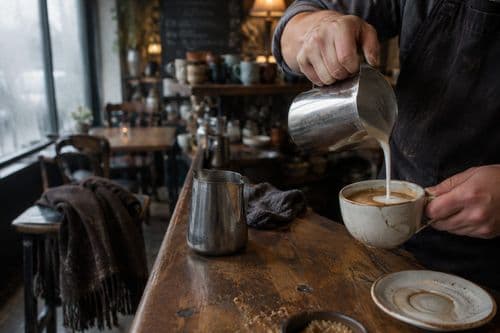
Your Latte Art Is Named After a Monk's Hood

A Sunday coffee order shares its name with a monk's wardrobe and a monkey. Here's the link.

Read more
See All Content
logo
  • Sports

  • History

  • Language

  • Food

  • Tech

  • Animals

  • Sports
  • History
  • Language
  • Food
  • Tech
  • Animals
  • ​
History FactsFun Facts

The Disturbing Reason Victorians Covered Mirrors When Someone Died

Walk into a Victorian home immediately after a death, and you'd find every mirror in the house draped with black cloth. The official explanation was spiritual: mirrors could trap the deceased's soul or allow it to become lost between worlds. But there was a darker, more practical reason that polite Victorian society wouldn't acknowledge.

Mirrors in the 1800s contained mercury, and decomposing bodies release gases that chemically react with mercury to create horrifying visual phenomena. When those gases interacted with mirror surfaces, they could cause the reflective coating to tarnish, warp, or create dark spots that genuinely looked like faces or figures emerging from the glass.

Decomposition begins immediately after death. Within hours, bacteria start breaking down tissues, releasing gases including hydrogen sulfide, methane, and cadaverine. These gases seep into the air and settle on surfaces—especially on the metallic backing of Victorian-era mirrors.

When decomposition gases came into contact with the mercury amalgam, they caused oxidation that created dark, shadowy patterns on the mirror's surface. In dim candlelight—the only lighting Victorians had at night—these patterns could genuinely appear to move, shift, or take on humanoid shapes.

Imagine sitting vigil beside your dead relative in flickering candlelight, glancing at a mirror, and seeing a dark figure that wasn't there before. Your rational mind knows it's a chemical reaction, but your grieving, exhausted brain interprets it as the deceased person's spirit trapped in the glass. Covering the mirrors prevented these disturbing visual phenomena entirely.

There was another element Victorians understood through experience: reflections in candlelight create the illusion of movement through a phenomenon called pareidolia. The human brain is hardwired to recognize faces and human forms, even in random patterns. Shadows dancing across a tarnished, gas-damaged mirror in dim light would trigger that response intensely.

Some Victorian homes reported mirrors "weeping" or developing streaks that looked like tears running down the glass. This was condensation mixed with chemical residue from decomposition gases. In humid environments, the gases would cause moisture to bead and run down the mirror's surface, creating streaks that genuinely appeared as if the mirror itself was crying.

Photography became popular during the Victorian era, and some families reported that photographs taken in rooms with uncovered mirrors during wakes showed strange shadows or figures. These were likely double exposures or light reflections interacting with the chemically altered mirror surfaces, but they reinforced the belief that mirrors were spiritually dangerous during the mourning period.

Modern mirrors use aluminum or silver backing instead of mercury, so they don't react the same way to decomposition gases. But some funeral homes and older households still follow the tradition of covering mirrors when someone dies, often without knowing the original scientific reasoning behind it.

The Victorians were masters of disguising practical necessity as spiritual ritual. They understood through experience that uncovered mirrors near decomposing bodies caused disturbing visual phenomena, but they explained it through supernatural belief rather than admitting the unpleasant chemical reality.

The next time you see an old superstition, consider that it might have started as a solution to a real problem that people didn't want to discuss directly. The Victorians didn't want to say "we cover mirrors because corpse gases make them look haunted"—so they said "we cover mirrors to protect the soul."

Both explanations led to the same result: covering the mirrors and sparing mourners from witnessing something genuinely disturbing.
Related Content

History Facts

Fun Facts

10 November 2026

Post

Viagra Facts: A Heart Drug, Blue Vision and Hamsters

Why Viagra began as a heart drug, how it can tint your vision blue and why the FAA cares, and the hamster jet lag study that won an Ig Nobel Prize....

History Facts

Fun Facts

09 November 2026

Post

Cannibalism: 3 True Stories You Won't Believe

Which state bans cannibalism, why the CDC warned about placenta pills, and how a tribe's funeral ritual may have left a gene that fights brain disease....

History Facts

Fun Facts

09 November 2026

Post

The Laughing Sickness That Shut Down Schools

In 1962, three schoolgirls started laughing and a whole region couldn't stop. Nobody was joking....

History Facts

Fun Facts

09 November 2026

Post

The Surprising Origin of the Movie Trailer

One of these claims about the first movie trailer is true, and one is completely made up. Can you guess which one really happened?...

Language Facts

Fun Facts

08 November 2026

Post

Your Latte Art Is Named After a Monk's Hood

A Sunday coffee order shares its name with a monk's wardrobe and a monkey. Here's the link....

Tech Facts

Fun Facts

08 November 2026

Post

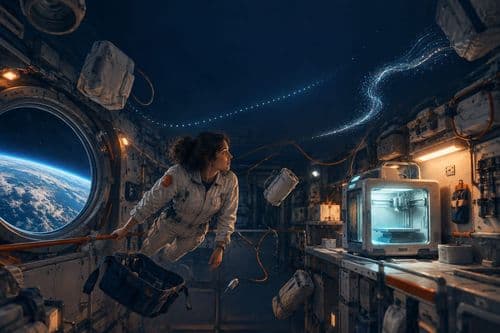
How NASA Sends Tools to Astronauts in Orbit

One of these claims about NASA and tools for astronauts is true, and one is completely made up. Can you guess which one really happened?...

History Facts

Fun Facts

08 November 2026

Post

Tattoos: The Iceman, Ink in Your Nodes (+1 More)

Ötzi's 5,300-year-old tattoos, where your tattoo ink really travels in your body, and the company that frames a dead loved one's actual tattooed skin....

History Facts

Fun Facts

07 November 2026

Post

The Taboo Word That Broke Through Ad Breaks

One of these claims about a taboo word in a 1980s TV commercial is true, and one is completely made up. Can you guess which one really happened?...

Sports Facts

Fun Facts

07 November 2026

Post

Why a Marathon Is Exactly 26.2 Miles Long

The odd number behind every marathon traces back to one summer day in London. Here's how it happened....

History Facts

Fun Facts

07 November 2026

Post

Starbucks Secrets: Pequod, the CIA and Fecal Ice

The Moby-Dick name Starbucks almost used, the secret store inside CIA headquarters and the 2017 UK investigation that found fecal bacteria in coffee shop ice....

History Facts

Fun Facts

06 November 2026

Post

Lobotomies: 3 True Stories That Sound Made Up

How lobotomies won a Nobel Prize, why a 12-year-old was operated on for being a kid, and the secret Kennedy family surgery that was hidden for decades....

Food

Fun Facts

06 November 2026

Post

The Curious Case of How Spam Got Its Name

One of these claims about how Spam got its name is true, and one is completely made up. Can you guess which one really happened?...

Language Facts

Fun Facts

06 November 2026

Post

A Frustrated Author, a Word List, and a Hat

A famous children's book began as a publisher's headache. The author hated the assignment....

Food

Fun Facts

05 November 2026

Post

The Sweet Secret Behind a Sitcom Kitchen Table

One of these claims about a famous sitcom's kitchen-table dessert is true, and one isn't. Can you guess which behind-the-scenes story really happened?...

History Facts

Fun Facts

05 November 2026

Post

The Lottery Was Rigged: 3 Wild True Stories

A fortune cookie that picked 110 winners, a live TV drawing rigged to hit 666 and the security director who rigged jackpots: three true lottery scandals....
Terms and ConditionsDo Not Sell or Share My Personal InformationPrivacy PolicyPrivacy NoticeAccessibility NoticeUnsubscribe
Copyright © 2026 Fun Fact Feed