Fun Facts

Trending Now

Viagra Facts: A Heart Drug, Blue Vision and Hamsters

Viagra Facts: A Heart Drug, Blue Vision and Hamsters

Why Viagra began as a heart drug, how it can tint your vision blue and why the FAA cares, and the hamster jet lag study that won an Ig Nobel Prize.

Read more
Cannibalism: 3 True Stories You Won't Believe

Cannibalism: 3 True Stories You Won't Believe

Which state bans cannibalism, why the CDC warned about placenta pills, and how a tribe's funeral ritual may have left a gene that fights brain disease.

Read more
The Laughing Sickness That Shut Down Schools

The Laughing Sickness That Shut Down Schools

In 1962, three schoolgirls started laughing and a whole region couldn't stop. Nobody was joking.

Read more
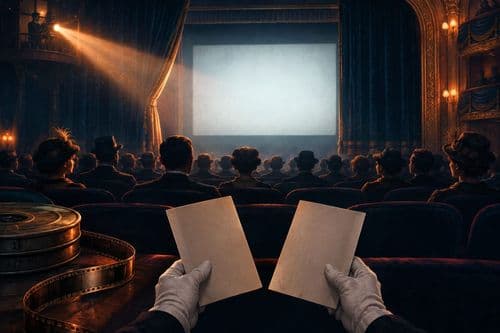
The Surprising Origin of the Movie Trailer

The Surprising Origin of the Movie Trailer

One of these claims about the first movie trailer is true, and one is completely made up. Can you guess which one really happened?

Read more
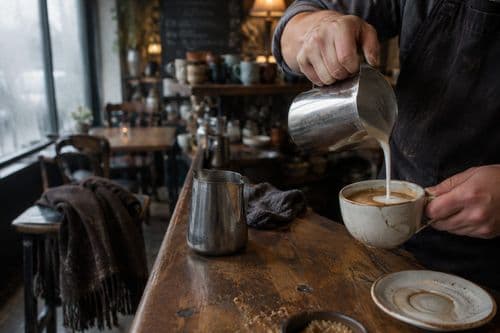
Your Latte Art Is Named After a Monk's Hood

Your Latte Art Is Named After a Monk's Hood

A Sunday coffee order shares its name with a monk's wardrobe and a monkey. Here's the link.

Read more
See All Content
logo
  • Sports

  • History

  • Language

  • Food

  • Tech

  • Animals

  • Sports
  • History
  • Language
  • Food
  • Tech
  • Animals
  • ​

The Art of Bonsai Originated Over 1,000 Years Ago!

The Art of Bonsai Originated Over 1,000 Years Ago!

The art of bonsai, with roots tracing back over a thousand years to ancient China, began as a practice known as “penjing, ” where small trees were cultivated in containers to mimic natural landscapes. Chinese monks originally used these miniature trees as a form of meditation, finding peace and reflection in the careful nurturing of these small representations of the natural world. Penjing later traveled to Japan, where it was transformed into what we now recognize as bonsai—an intricate art form with its own aesthetic standards, techniques, and philosophical meaning.

The term “bonsai” translates to “planted in a container, ” capturing the essence of creating a complete, miniature landscape within a confined space. Japanese artists refined this craft, developing specific styles and forms, such as the formal upright, slanting, and cascading bonsai, each inspired by natural tree shapes. Bonsai masters employ precise techniques like pruning, wiring, and repotting to control the tree's growth, guiding it to take on a unique form that reflects a balance of beauty and restraint.

Interestingly, bonsai trees are not genetically small; they achieve their miniature stature through careful cultivation. Pruning roots and branches, selective watering, and shaping branches with wires allow artists to control growth and create lifelike representations of large, mature trees on a tiny scale. This process requires a deep understanding of the tree’s species and growth patterns, as well as patience and dedication, making bonsai both an art and a mindful practice.

In Japan, bonsai evolved into a symbol of harmony, balance, and the beauty of nature, often displayed in homes and gardens as a source of tranquility. Bonsai enthusiasts view the practice as a journey, as a single tree can be cultivated for decades or even centuries, passed down through generations. This longevity is part of bonsai’s appeal, symbolizing endurance and the timeless relationship between humans and nature.

Today, bonsai is celebrated worldwide, with enthusiasts and artists practicing the craft in diverse cultures. Bonsai exhibitions, clubs, and classes continue to grow in popularity, allowing people to explore this unique art form and cultivate their own living sculptures. Each bonsai is a work of art in its own right, reflecting the artist's vision, skill, and connection to nature.

The art of bonsai reminds us of the power of patience, creativity, and care. Through this miniature world, practitioners capture the essence of nature, creating a legacy of beauty that endures and evolves with time.

Related Content

History Facts

Fun Facts

10 November 2026

Post

Viagra Facts: A Heart Drug, Blue Vision and Hamsters

Why Viagra began as a heart drug, how it can tint your vision blue and why the FAA cares, and the hamster jet lag study that won an Ig Nobel Prize....

History Facts

Fun Facts

09 November 2026

Post

Cannibalism: 3 True Stories You Won't Believe

Which state bans cannibalism, why the CDC warned about placenta pills, and how a tribe's funeral ritual may have left a gene that fights brain disease....

History Facts

Fun Facts

09 November 2026

Post

The Laughing Sickness That Shut Down Schools

In 1962, three schoolgirls started laughing and a whole region couldn't stop. Nobody was joking....

History Facts

Fun Facts

09 November 2026

Post

The Surprising Origin of the Movie Trailer

One of these claims about the first movie trailer is true, and one is completely made up. Can you guess which one really happened?...

Language Facts

Fun Facts

08 November 2026

Post

Your Latte Art Is Named After a Monk's Hood

A Sunday coffee order shares its name with a monk's wardrobe and a monkey. Here's the link....

Tech Facts

Fun Facts

08 November 2026

Post

How NASA Sends Tools to Astronauts in Orbit

One of these claims about NASA and tools for astronauts is true, and one is completely made up. Can you guess which one really happened?...

History Facts

Fun Facts

08 November 2026

Post

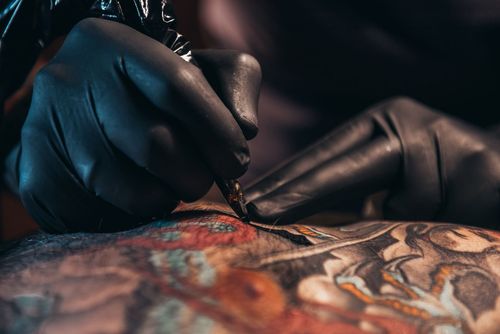
Tattoos: The Iceman, Ink in Your Nodes (+1 More)

Ötzi's 5,300-year-old tattoos, where your tattoo ink really travels in your body, and the company that frames a dead loved one's actual tattooed skin....

History Facts

Fun Facts

07 November 2026

Post

The Taboo Word That Broke Through Ad Breaks

One of these claims about a taboo word in a 1980s TV commercial is true, and one is completely made up. Can you guess which one really happened?...

Sports Facts

Fun Facts

07 November 2026

Post

Why a Marathon Is Exactly 26.2 Miles Long

The odd number behind every marathon traces back to one summer day in London. Here's how it happened....

History Facts

Fun Facts

07 November 2026

Post

Starbucks Secrets: Pequod, the CIA and Fecal Ice

The Moby-Dick name Starbucks almost used, the secret store inside CIA headquarters and the 2017 UK investigation that found fecal bacteria in coffee shop ice....

History Facts

Fun Facts

06 November 2026

Post

Lobotomies: 3 True Stories That Sound Made Up

How lobotomies won a Nobel Prize, why a 12-year-old was operated on for being a kid, and the secret Kennedy family surgery that was hidden for decades....

Food

Fun Facts

06 November 2026

Post

The Curious Case of How Spam Got Its Name

One of these claims about how Spam got its name is true, and one is completely made up. Can you guess which one really happened?...

Language Facts

Fun Facts

06 November 2026

Post

A Frustrated Author, a Word List, and a Hat

A famous children's book began as a publisher's headache. The author hated the assignment....

Food

Fun Facts

05 November 2026

Post

The Sweet Secret Behind a Sitcom Kitchen Table

One of these claims about a famous sitcom's kitchen-table dessert is true, and one isn't. Can you guess which behind-the-scenes story really happened?...

History Facts

Fun Facts

05 November 2026

Post

The Lottery Was Rigged: 3 Wild True Stories

A fortune cookie that picked 110 winners, a live TV drawing rigged to hit 666 and the security director who rigged jackpots: three true lottery scandals....
Terms and ConditionsDo Not Sell or Share My Personal InformationPrivacy PolicyPrivacy NoticeAccessibility NoticeUnsubscribe
Copyright © 2026 Fun Fact Feed