Trending Now

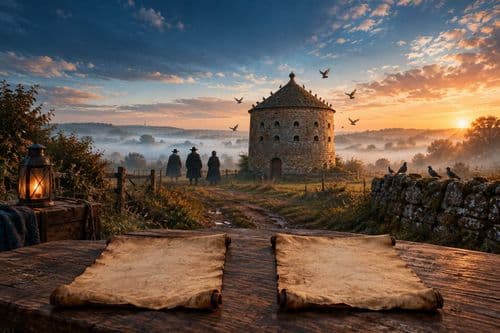
The Colony That Outlawed Christmas

The Colony That Outlawed Christmas

One of these claims about a colonial-era Christmas crackdown is true, and one is completely made up. Can you guess which one really happened?

Read more
The Boss's Computer Built Cyber Monday

The Boss's Computer Built Cyber Monday

In 2005, a shopping holiday leaned on one workplace perk. Guess which.

Read more
The Year Thanksgiving Split the Country

The Year Thanksgiving Split the Country

One of these claims about a presidential Thanksgiving feud is true, and one isn't. Can you guess which story really happened?

Read more
The Sled Test That Gave Pessimism Its Name

The Sled Test That Gave Pessimism Its Name

A famous saying about things going wrong began in a desert lab. The story is messier than you'd guess.

Read more
The White House Thanksgiving Raccoon Story

The White House Thanksgiving Raccoon Story

One of these claims about a Thanksgiving gift to a president's family is true, and one is made up. Can you guess which one really happened?

Read more
See All Content
logo
  • Sports

  • History

  • Language

  • Food

  • Tech

  • Animals

  • Sports
  • History
  • Language
  • Food
  • Tech
  • Animals
  • ​
Sports FactsFun Facts

The 1904 Olympic Marathon Was Pure Chaos

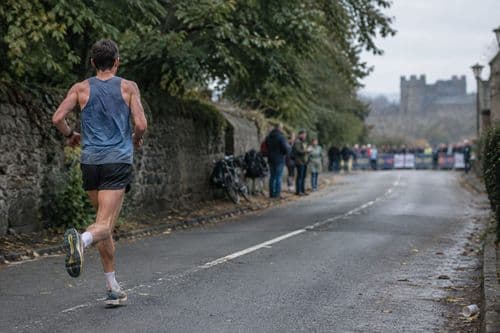
The 1904 Olympic Marathon in St. Louis wasn't just controversial—it was an absolute disaster that nearly got the event banned from the Olympics forever. Between brazen cheating, accidental poisoning, and runners collapsing from dehydration, this race became the most infamous marathon in Olympic history.

The race took place in scorching 90-degree heat on dusty, unpaved roads with only ONE water station at the 12-mile mark. The Games director mistakenly believed dehydration was beneficial to athletes, so he deliberately restricted water access. This decision alone would prove catastrophic. Of the 32 runners who started, 18 dropped out from sheer exhaustion and dehydration. But those who finished? Their stories are even wilder.

Fred Lorz crossed the finish line first to thunderous applause. President Theodore Roosevelt's daughter Alice was literally placing a gold medal around his neck when someone in the crowd shouted that he'd cheated. Lorz had hitched a ride in a car for 11 miles after cramping up, then hopped out and ran the final stretch. He claimed it was just a "practical joke" and never intended to accept the medal. Officials banned him for life—though they reduced it to six months after he apologized. He went on to win the 1905 Boston Marathon legitimately.

The actual winner? Thomas Hicks was literally dying by the finish line. At the 19-mile mark, his trainers gave him a concoction of strychnine sulfate (rat poison), brandy, and egg whites to keep him moving. Yes, rat poison.

Hicks was hallucinating and had to be physically carried across the finish line by his support crew, his feet shuffling in the air as if still running. He lost 8 pounds during the race and had to be treated by four doctors immediately. He never ran another marathon again. This was the first recorded instance of performance-enhancing drugs in Olympic history. At the time, strychnine was legal and commonly used as a stimulant in small doses. The scandal led to the first Olympic anti-doping rule in 1908.

Cuban mailman Félix Carvajal showed up at the last minute in street clothes after losing all his money gambling in New Orleans. He'd hitchhiked 700 miles to get there. A fellow Olympian took pity and cut his pants into shorts with scissors. During the race, Carvajal got hungry and stole two peaches from a spectator, then stopped at an orchard to eat apples—which turned out to be rotten. The spoiled fruit gave him violent stomach cramps, forcing him to lie down and take a nap mid-race. Despite all this, he still finished fourth.

South African runner Len Taunyane was chased nearly a mile off course by a pack of wild dogs but managed to finish ninth. The course wasn't even closed to traffic—runners had to dodge cars, delivery wagons, trains, and people walking their dogs.

The race was so disastrous that officials seriously considered eliminating the marathon from future Olympics entirely. Instead, they implemented strict new rules about hydration, drugs, and race conditions.

Thomas Hicks' winning time of 3 hours, 28 minutes, 53 seconds remains the slowest in Olympic marathon history—a full half-hour slower than previous winners. Given what these runners endured, it's a miracle anyone finished at all.
Related Content

Sports Facts

22 November 2026

Post

The 19–18 Game That Broke Basketball

One 1950 NBA game was so lopsided in strategy that the league had to rewrite the rules....

Sports Facts

17 November 2026

Post

The Wild Story of a Broken Tour de France Bike

One of these claims about an early Tour de France mishap is true, and one isn't. Can you guess which story really happened? Find out inside....

Sports Facts

14 November 2026

Post

The Absurd Olympic Disqualification Nobody Saw Coming

One of these claims about a bizarre Olympic disqualification is true, and one is completely made up. Can you guess which one really happened?...

Sports Facts

14 November 2026

Post

The Absurd Olympic Disqualification Nobody Saw Coming

One of these claims about a bizarre Olympic disqualification is true, and one is completely made up. Can you guess which one really happened?...

History Facts

Fun Facts

10 November 2026

Post

A Hostage Waits at the Palace Whenever the King Visits

Every year, a politician is held at a palace so the monarch comes home safe. Here's why....

History Facts

Fun Facts

10 November 2026

Post

The Strange Story of Gunpowder and Pigeon Droppings

One of these claims about England's old gunpowder-and-pigeon-dung business is true, and one isn't. Can you guess which one really happened?...

History Facts

Fun Facts

10 November 2026

Post

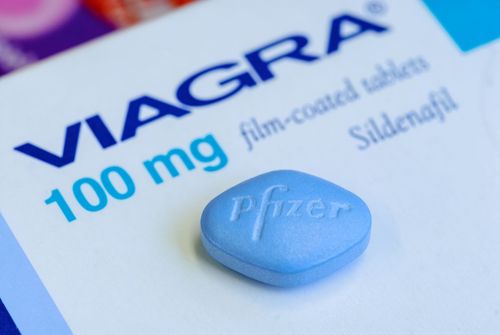
Viagra Facts: A Heart Drug, Blue Vision and Hamsters

Why Viagra began as a heart drug, how it can tint your vision blue and why the FAA cares, and the hamster jet lag study that won an Ig Nobel Prize....

History Facts

Fun Facts

09 November 2026

Post

Cannibalism: 3 True Stories You Won't Believe

Which state bans cannibalism, why the CDC warned about placenta pills, and how a tribe's funeral ritual may have left a gene that fights brain disease....

History Facts

Fun Facts

09 November 2026

Post

The Laughing Sickness That Shut Down Schools

In 1962, three schoolgirls started laughing and a whole region couldn't stop. Nobody was joking....

History Facts

Fun Facts

09 November 2026

Post

The Surprising Origin of the Movie Trailer

One of these claims about the first movie trailer is true, and one is completely made up. Can you guess which one really happened?...

Language Facts

Fun Facts

08 November 2026

Post

Your Latte Art Is Named After a Monk's Hood

A Sunday coffee order shares its name with a monk's wardrobe and a monkey. Here's the link....

Tech Facts

Fun Facts

08 November 2026

Post

How NASA Sends Tools to Astronauts in Orbit

One of these claims about NASA and tools for astronauts is true, and one is completely made up. Can you guess which one really happened?...

History Facts

Fun Facts

08 November 2026

Post

Tattoos: The Iceman, Ink in Your Nodes (+1 More)

Ötzi's 5,300-year-old tattoos, where your tattoo ink really travels in your body, and the company that frames a dead loved one's actual tattooed skin....

History Facts

Fun Facts

07 November 2026

Post

The Taboo Word That Broke Through Ad Breaks

One of these claims about a taboo word in a 1980s TV commercial is true, and one is completely made up. Can you guess which one really happened?...

Sports Facts

Fun Facts

07 November 2026

Post

Why a Marathon Is Exactly 26.2 Miles Long

The odd number behind every marathon traces back to one summer day in London. Here's how it happened....
Terms and ConditionsDo Not Sell or Share My Personal InformationPrivacy PolicyPrivacy NoticeAccessibility NoticeUnsubscribe
Copyright © 2026 Fun Fact Feed