Ancient Rome ran one of history's most advanced civilizations, with plumbing, roads, and aqueducts centuries ahead of their time. But their laundry system depended on something far less glamorous than their engineering reputation suggested.
Roman laundries, called fullonicae, needed a powerful cleaning agent to strip grease and grime from wool togas. They found their answer in stale human urine, collected daily from public pots placed on street corners across the city.
The science behind it wasn't superstition. Urine breaks down over time into ammonia, a compound that cuts through fat and dirt far more effectively than plain water ever could.
Workers called fullones would stomp on soaked clothing in stone vats filled with this mixture, using their bare feet to work the ammonia through the fabric fibers for hours at a time.
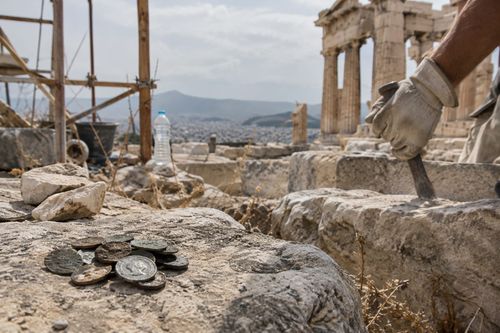
Rome even ran a government program around this practice. Emperor Vespasian placed a formal tax on public urine collection, since laundries paid handsomely for a steady supply straight from the street pots.
When his own son complained about profiting from something so undignified, Vespasian reportedly held up a coin and said money doesn't smell, a phrase that survives in modern Italian to this day.
The practice stuck around for centuries, proof that Roman ingenuity extended well beyond concrete and aqueducts into the unglamorous chemistry of getting a toga truly clean.