Earwax is something most of us scrub away without a second thought. It turns out it has a lot more to say than you'd think. Here are three earwax facts that sound made up, and every single one of them is true.
1. Why cleaning your ears can make you cough
A branch of the vagus nerve runs through your ear canal, and it's connected to the same system that triggers coughing. Touch the wrong spot, and some people start coughing on the spot. Doctors call it Arnold's ear-cough reflex.
Only about 2% of healthy people have it. But in one study, it showed up in more than 23% of adults with a chronic cough, which suggests an overly sensitive nerve may be behind some coughs that never seem to go away.
Sometimes the trigger is earwax pressing on that nerve. Doctors have reported patients whose stubborn coughs cleared up within days after a buildup of earwax was removed. The nerve even has an old nickname: the "Alderman's nerve."
2. The warning on your cotton swab box
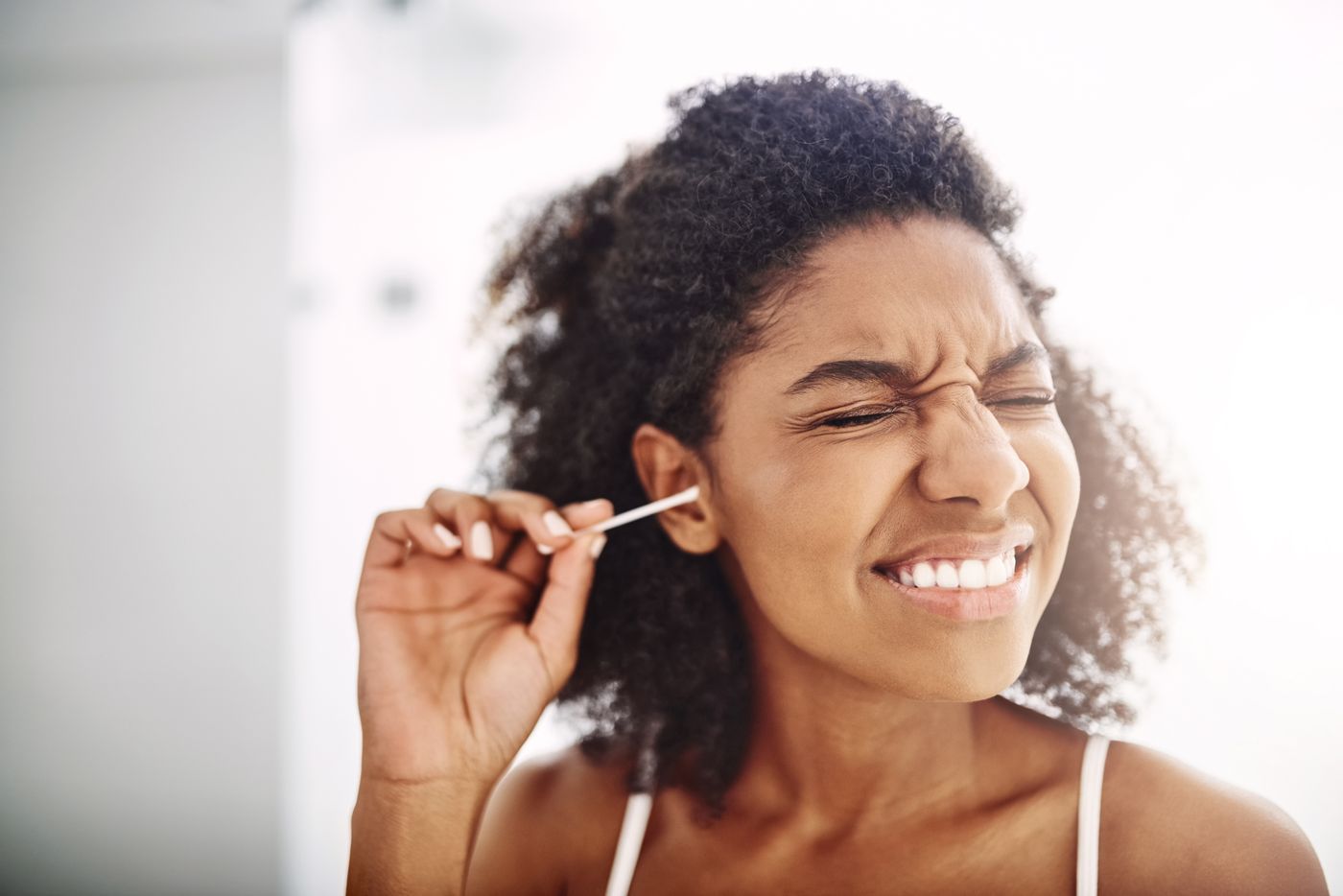
Check the package: cotton swab boxes typically warn you not to put the swabs in your ear canal. Almost everyone ignores it, and doctors wish they wouldn't.
A study in the Journal of Pediatrics estimated that about 34 kids a day, roughly 12,500 a year, were treated in U.S. emergency rooms for cotton swab ear injuries between 1990 and 2010. Most were hurt while cleaning their ears, often doing it themselves.
The swabs can cut the ear canal, puncture the eardrum and even dislocate the tiny bones that help you hear. And they backfire: ears clean themselves, and swabs tend to push wax deeper toward the eardrum, where it gets trapped.
3. The earwax test that can spot cancer
Scientists at the Federal University of Goiás in Brazil have developed a test that looks for cancer in earwax. They call it a cerumenogram, after cerumen, the medical name for earwax.
In their first study, published in Scientific Reports in 2019, 27 chemical compounds in earwax separated cancer patients from cancer-free patients with 100% accuracy. In later testing on 531 people already being treated for cancer, the test flagged cancer in every one of them, and the team says it can also pick up signs of pre-cancer.
The same lab built a version for dogs that was 95% accurate. The test is still experimental and isn't yet available in Brazil's public health system, so it's no substitute for regular cancer screenings. But the project's lead now calls earwax "our health's fingerprint."
```