Fun Facts

Trending Now

Viagra Facts: A Heart Drug, Blue Vision and Hamsters

Viagra Facts: A Heart Drug, Blue Vision and Hamsters

Why Viagra began as a heart drug, how it can tint your vision blue and why the FAA cares, and the hamster jet lag study that won an Ig Nobel Prize.

Read more
Cannibalism: 3 True Stories You Won't Believe

Cannibalism: 3 True Stories You Won't Believe

Which state bans cannibalism, why the CDC warned about placenta pills, and how a tribe's funeral ritual may have left a gene that fights brain disease.

Read more
The Laughing Sickness That Shut Down Schools

The Laughing Sickness That Shut Down Schools

In 1962, three schoolgirls started laughing and a whole region couldn't stop. Nobody was joking.

Read more
The Surprising Origin of the Movie Trailer

The Surprising Origin of the Movie Trailer

One of these claims about the first movie trailer is true, and one is completely made up. Can you guess which one really happened?

Read more
Your Latte Art Is Named After a Monk's Hood

Your Latte Art Is Named After a Monk's Hood

A Sunday coffee order shares its name with a monk's wardrobe and a monkey. Here's the link.

Read more
See All Content
logo
  • Sports

  • History

  • Language

  • Food

  • Tech

  • Animals

  • Sports
  • History
  • Language
  • Food
  • Tech
  • Animals
  • ​

Did You Know Colors Can Have a Powerful Impact on Our Emotions?

Did You Know Colors Can Have a Powerful Impact on Our Emotions?

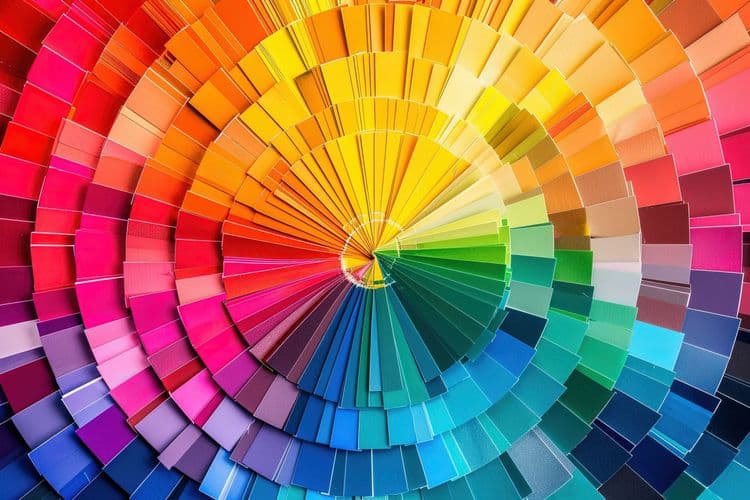
Colors have a profound impact on our emotions and can even shape our decisions, a fascinating area explored in color psychology. This field examines how different hues affect mood, perception, and behavior, revealing that colors can elicit specific emotional responses. For instance, warm colors like red, orange, and yellow often evoke excitement, energy, or urgency, which is why they’re frequently used in advertising and on sale signs to grab attention and encourage quick decisions.

Cool colors, on the other hand, such as blue and green, tend to have a calming and soothing effect. These shades are often chosen for environments meant to relax or focus the mind, like bedrooms, spas, and healthcare settings. Blue, in particular, has been shown to lower blood pressure and slow heart rates, making it a popular choice for spaces designed to promote tranquility. This calming influence is why companies in finance, healthcare, and technology often use blue in their branding, aiming to convey reliability and trust.

Color psychology also reveals interesting cultural and personal variations in color preferences. While colors like red are often associated with energy or love in Western cultures, they can represent prosperity and luck in others, like China. Personal experiences also shape our reactions to colors; someone who associates green with positive outdoor memories may feel more relaxed in green spaces, while others might not have the same response. These cultural and individual differences highlight the nuanced role colors play in our daily lives and experiences.

Studies have even suggested that colors can influence memory and perception of time. For example, tasks completed in a red environment may feel more intense, while those in blue settings are often recalled as more pleasant and may even seem to go by faster. Colors can enhance or alter our perception, which is why schools, offices, and other environments often consider color schemes to improve focus, reduce stress, or boost morale.

In fields like marketing, interior design, and therapy, understanding color psychology has become essential. Marketers strategically use colors to create emotional connections with consumers, while interior designers select hues to enhance mood and functionality in spaces. Therapists may even incorporate specific colors into their practice, using warm tones to energize clients or cool tones to help create a safe and calming environment.

Color psychology reminds us that colors are more than just aesthetic choices—they are powerful tools that can shape how we feel, think, and interact with the world. By recognizing the influence of color on our emotions and behavior, we can use this knowledge intentionally to create environments and experiences that foster well-being, comfort, and connection.
Related Content

History Facts

Fun Facts

10 November 2026

Post

Viagra Facts: A Heart Drug, Blue Vision and Hamsters

Why Viagra began as a heart drug, how it can tint your vision blue and why the FAA cares, and the hamster jet lag study that won an Ig Nobel Prize....

History Facts

Fun Facts

09 November 2026

Post

Cannibalism: 3 True Stories You Won't Believe

Which state bans cannibalism, why the CDC warned about placenta pills, and how a tribe's funeral ritual may have left a gene that fights brain disease....

History Facts

Fun Facts

09 November 2026

Post

The Laughing Sickness That Shut Down Schools

In 1962, three schoolgirls started laughing and a whole region couldn't stop. Nobody was joking....

History Facts

Fun Facts

09 November 2026

Post

The Surprising Origin of the Movie Trailer

One of these claims about the first movie trailer is true, and one is completely made up. Can you guess which one really happened?...

Language Facts

Fun Facts

08 November 2026

Post

Your Latte Art Is Named After a Monk's Hood

A Sunday coffee order shares its name with a monk's wardrobe and a monkey. Here's the link....

Tech Facts

Fun Facts

08 November 2026

Post

How NASA Sends Tools to Astronauts in Orbit

One of these claims about NASA and tools for astronauts is true, and one is completely made up. Can you guess which one really happened?...

History Facts

Fun Facts

08 November 2026

Post

Tattoos: The Iceman, Ink in Your Nodes (+1 More)

Ötzi's 5,300-year-old tattoos, where your tattoo ink really travels in your body, and the company that frames a dead loved one's actual tattooed skin....

History Facts

Fun Facts

07 November 2026

Post

The Taboo Word That Broke Through Ad Breaks

One of these claims about a taboo word in a 1980s TV commercial is true, and one is completely made up. Can you guess which one really happened?...

Sports Facts

Fun Facts

07 November 2026

Post

Why a Marathon Is Exactly 26.2 Miles Long

The odd number behind every marathon traces back to one summer day in London. Here's how it happened....

History Facts

Fun Facts

07 November 2026

Post

Starbucks Secrets: Pequod, the CIA and Fecal Ice

The Moby-Dick name Starbucks almost used, the secret store inside CIA headquarters and the 2017 UK investigation that found fecal bacteria in coffee shop ice....

History Facts

Fun Facts

06 November 2026

Post

Lobotomies: 3 True Stories That Sound Made Up

How lobotomies won a Nobel Prize, why a 12-year-old was operated on for being a kid, and the secret Kennedy family surgery that was hidden for decades....

Food

Fun Facts

06 November 2026

Post

The Curious Case of How Spam Got Its Name

One of these claims about how Spam got its name is true, and one is completely made up. Can you guess which one really happened?...

Language Facts

Fun Facts

06 November 2026

Post

A Frustrated Author, a Word List, and a Hat

A famous children's book began as a publisher's headache. The author hated the assignment....

Food

Fun Facts

05 November 2026

Post

The Sweet Secret Behind a Sitcom Kitchen Table

One of these claims about a famous sitcom's kitchen-table dessert is true, and one isn't. Can you guess which behind-the-scenes story really happened?...

History Facts

Fun Facts

05 November 2026

Post

The Lottery Was Rigged: 3 Wild True Stories

A fortune cookie that picked 110 winners, a live TV drawing rigged to hit 666 and the security director who rigged jackpots: three true lottery scandals....
Terms and ConditionsDo Not Sell or Share My Personal InformationPrivacy PolicyPrivacy NoticeAccessibility NoticeUnsubscribe
Copyright © 2026 Fun Fact Feed