Fun Facts

Trending Now

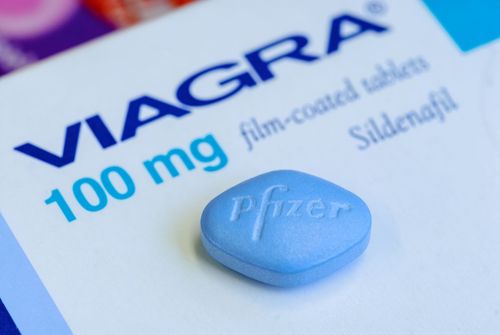
Viagra Facts: A Heart Drug, Blue Vision and Hamsters

Viagra Facts: A Heart Drug, Blue Vision and Hamsters

Why Viagra began as a heart drug, how it can tint your vision blue and why the FAA cares, and the hamster jet lag study that won an Ig Nobel Prize.

Read more
Cannibalism: 3 True Stories You Won't Believe

Cannibalism: 3 True Stories You Won't Believe

Which state bans cannibalism, why the CDC warned about placenta pills, and how a tribe's funeral ritual may have left a gene that fights brain disease.

Read more
The Laughing Sickness That Shut Down Schools

The Laughing Sickness That Shut Down Schools

In 1962, three schoolgirls started laughing and a whole region couldn't stop. Nobody was joking.

Read more
The Surprising Origin of the Movie Trailer

The Surprising Origin of the Movie Trailer

One of these claims about the first movie trailer is true, and one is completely made up. Can you guess which one really happened?

Read more
Your Latte Art Is Named After a Monk's Hood

Your Latte Art Is Named After a Monk's Hood

A Sunday coffee order shares its name with a monk's wardrobe and a monkey. Here's the link.

Read more
See All Content
logo
  • Sports

  • History

  • Language

  • Food

  • Tech

  • Animals

  • Sports
  • History
  • Language
  • Food
  • Tech
  • Animals
  • ​

Coral Reefs Provide Home to About 25% of all Marine Species

Coral Reefs Provide Home to About 25% of all Marine Species

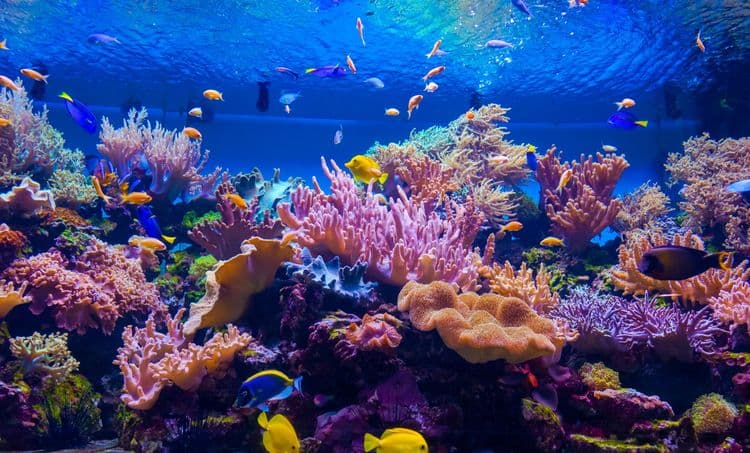
Coral reefs are among the most diverse ecosystems on the planet, providing a home to about 25% of all marine species despite covering less than 1% of the ocean floor. Often referred to as the “rainforests of the sea, ” coral reefs support a stunning array of life, from fish and mollusks to larger species like sea turtles, rays, and sharks. These ecosystems are crucial not only for the rich marine biodiversity they harbor but also for the health and balance of the ocean itself.

The structure of coral reefs is created by tiny animals called polyps, which cluster together in colonies. These polyps secrete calcium carbonate, building intricate, colorful skeletons that form the backbone of the reef. Over time, as polyps grow and new generations settle on the old ones, vast reef structures emerge, creating complex habitats that attract countless marine species. The vibrant colors of coral come from symbiotic algae called zooxanthellae, which live within the coral and provide energy through photosynthesis, playing a vital role in reef health and growth.

Coral reefs are essential for coastal communities as well, offering natural barriers that protect shorelines from erosion and storm surges. These reefs also contribute significantly to local economies, particularly through tourism and fisheries. Visitors from around the world are drawn to coral reefs for snorkeling, diving, and other water activities, while fisheries rely on the reefs to support a variety of fish species crucial to both commercial and subsistence fishing. The economic and cultural value of coral reefs underscores their importance far beyond the ocean.

However, coral reefs face severe threats from human activities and environmental changes. Climate change, with its rising ocean temperatures and acidification, has caused widespread coral bleaching, where stressed corals lose their vibrant algae and turn white, often leading to death if conditions don’t improve. Pollution from plastics, agricultural runoff, and untreated sewage also harms coral reefs, along with unsustainable practices like overfishing and destructive fishing methods.

Efforts to conserve coral reefs are critical to ensure their survival. Conservation measures such as marine protected areas, sustainable fishing practices, and coral restoration projects aim to preserve these ecosystems for future generations. Innovative solutions, like coral gardening and artificial reef structures, are helping to rehabilitate damaged areas and foster new coral growth.

Coral reefs are not only breathtakingly beautiful but also a vital part of our planet’s ecological and economic fabric. Protecting these “rainforests of the sea” is essential to preserving marine biodiversity, supporting coastal communities, and maintaining the natural balance of the ocean.

Related Content

History Facts

Fun Facts

10 November 2026

Post

Viagra Facts: A Heart Drug, Blue Vision and Hamsters

Why Viagra began as a heart drug, how it can tint your vision blue and why the FAA cares, and the hamster jet lag study that won an Ig Nobel Prize....

History Facts

Fun Facts

09 November 2026

Post

Cannibalism: 3 True Stories You Won't Believe

Which state bans cannibalism, why the CDC warned about placenta pills, and how a tribe's funeral ritual may have left a gene that fights brain disease....

History Facts

Fun Facts

09 November 2026

Post

The Laughing Sickness That Shut Down Schools

In 1962, three schoolgirls started laughing and a whole region couldn't stop. Nobody was joking....

History Facts

Fun Facts

09 November 2026

Post

The Surprising Origin of the Movie Trailer

One of these claims about the first movie trailer is true, and one is completely made up. Can you guess which one really happened?...

Language Facts

Fun Facts

08 November 2026

Post

Your Latte Art Is Named After a Monk's Hood

A Sunday coffee order shares its name with a monk's wardrobe and a monkey. Here's the link....

Tech Facts

Fun Facts

08 November 2026

Post

How NASA Sends Tools to Astronauts in Orbit

One of these claims about NASA and tools for astronauts is true, and one is completely made up. Can you guess which one really happened?...

History Facts

Fun Facts

08 November 2026

Post

Tattoos: The Iceman, Ink in Your Nodes (+1 More)

Ötzi's 5,300-year-old tattoos, where your tattoo ink really travels in your body, and the company that frames a dead loved one's actual tattooed skin....

History Facts

Fun Facts

07 November 2026

Post

The Taboo Word That Broke Through Ad Breaks

One of these claims about a taboo word in a 1980s TV commercial is true, and one is completely made up. Can you guess which one really happened?...

Sports Facts

Fun Facts

07 November 2026

Post

Why a Marathon Is Exactly 26.2 Miles Long

The odd number behind every marathon traces back to one summer day in London. Here's how it happened....

History Facts

Fun Facts

07 November 2026

Post

Starbucks Secrets: Pequod, the CIA and Fecal Ice

The Moby-Dick name Starbucks almost used, the secret store inside CIA headquarters and the 2017 UK investigation that found fecal bacteria in coffee shop ice....

History Facts

Fun Facts

06 November 2026

Post

Lobotomies: 3 True Stories That Sound Made Up

How lobotomies won a Nobel Prize, why a 12-year-old was operated on for being a kid, and the secret Kennedy family surgery that was hidden for decades....

Food

Fun Facts

06 November 2026

Post

The Curious Case of How Spam Got Its Name

One of these claims about how Spam got its name is true, and one is completely made up. Can you guess which one really happened?...

Language Facts

Fun Facts

06 November 2026

Post

A Frustrated Author, a Word List, and a Hat

A famous children's book began as a publisher's headache. The author hated the assignment....

Food

Fun Facts

05 November 2026

Post

The Sweet Secret Behind a Sitcom Kitchen Table

One of these claims about a famous sitcom's kitchen-table dessert is true, and one isn't. Can you guess which behind-the-scenes story really happened?...

History Facts

Fun Facts

05 November 2026

Post

The Lottery Was Rigged: 3 Wild True Stories

A fortune cookie that picked 110 winners, a live TV drawing rigged to hit 666 and the security director who rigged jackpots: three true lottery scandals....
Terms and ConditionsDo Not Sell or Share My Personal InformationPrivacy PolicyPrivacy NoticeAccessibility NoticeUnsubscribe
Copyright © 2026 Fun Fact Feed