Fun Facts

Trending Now

Viagra Facts: A Heart Drug, Blue Vision and Hamsters

Viagra Facts: A Heart Drug, Blue Vision and Hamsters

Why Viagra began as a heart drug, how it can tint your vision blue and why the FAA cares, and the hamster jet lag study that won an Ig Nobel Prize.

Read more
Cannibalism: 3 True Stories You Won't Believe

Cannibalism: 3 True Stories You Won't Believe

Which state bans cannibalism, why the CDC warned about placenta pills, and how a tribe's funeral ritual may have left a gene that fights brain disease.

Read more
The Laughing Sickness That Shut Down Schools

The Laughing Sickness That Shut Down Schools

In 1962, three schoolgirls started laughing and a whole region couldn't stop. Nobody was joking.

Read more
The Surprising Origin of the Movie Trailer

The Surprising Origin of the Movie Trailer

One of these claims about the first movie trailer is true, and one is completely made up. Can you guess which one really happened?

Read more
Your Latte Art Is Named After a Monk's Hood

Your Latte Art Is Named After a Monk's Hood

A Sunday coffee order shares its name with a monk's wardrobe and a monkey. Here's the link.

Read more
See All Content
logo
  • Sports

  • History

  • Language

  • Food

  • Tech

  • Animals

  • Sports
  • History
  • Language
  • Food
  • Tech
  • Animals
  • ​

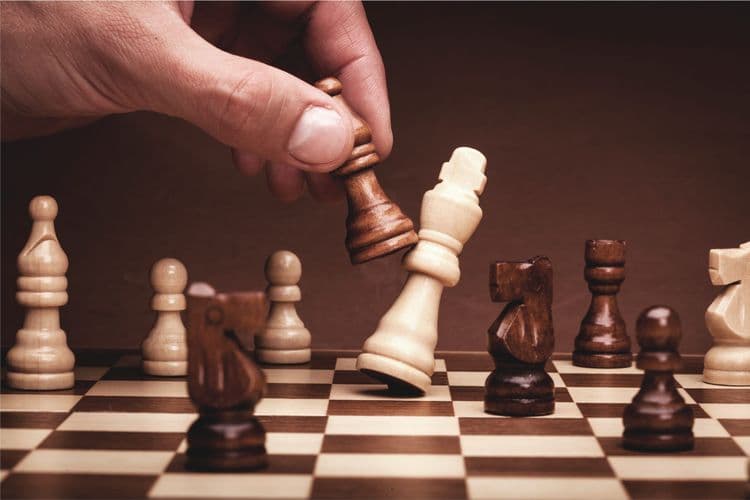
Chess was Originally Known as "Chaturanga"

Chess was Originally Known as "Chaturanga"

Chess has a rich history that dates back over 1, 500 years to northern India, where it began as a game called "chaturanga. " This early version of chess was played with pieces representing the four divisions of the Indian military: infantry, cavalry, elephants, and chariots. Each piece moved differently, capturing the dynamics of ancient warfare. Chaturanga was not only a game but also a tool for teaching military strategy, and its popularity soon spread beyond India’s borders.

As chaturanga traveled westward, it reached Persia, where it evolved into "shatranj. " Persian players adapted the game slightly, incorporating their own terminology and strategies, and shatranj became a beloved pastime throughout the region. From Persia, the game entered the Islamic world, where it continued to gain cultural significance and eventually made its way to Europe through trade routes and conquests. By the time it reached medieval Europe, chess had become a symbol of intellect and nobility, embraced by royalty and scholars alike.

In the late 15th century, chess underwent a major transformation in Spain, where the rules we recognize today were established. Notably, the queen and bishop gained their modern moves, vastly increasing the game’s complexity and speed. These changes made chess more dynamic and strategic, creating a version of the game that would captivate players for centuries to come. The game’s new appeal quickly spread throughout Europe, leading to the establishment of chess as an intellectual pursuit and social pastime.

Chess continued to evolve, becoming a popular subject of study and competition. In the 19th century, formal chess tournaments began, and strategies were analyzed and recorded, laying the groundwork for modern competitive chess. Today, chess is recognized as more than just a game; it’s seen as a mental sport that strengthens memory, strategic thinking, and concentration. Chess players develop skills in problem-solving and foresight, making it a respected tool for cognitive development, even used in educational programs around the world.

In recent years, chess has enjoyed a resurgence in popularity thanks to online platforms, which allow players of all levels to compete and learn from one another. International competitions, including the World Chess Championship, draw millions of viewers, and the game is celebrated as a global cultural phenomenon. Chess clubs, tournaments, and online communities thrive, bringing together players from all backgrounds who share a passion for this timeless game.

From its origins in ancient India to its current status as a global pastime, chess is a game that has transcended time and culture. It continues to inspire players with its depth, strategy, and beauty, proving that the appeal of chess is as enduring as ever.
Related Content

History Facts

Fun Facts

10 November 2026

Post

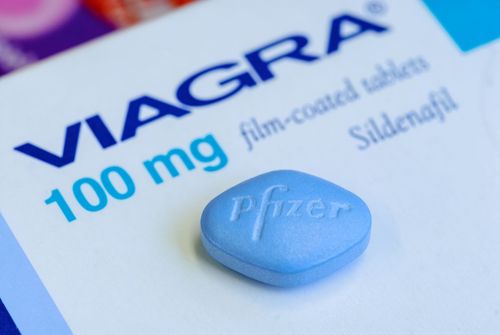
Viagra Facts: A Heart Drug, Blue Vision and Hamsters

Why Viagra began as a heart drug, how it can tint your vision blue and why the FAA cares, and the hamster jet lag study that won an Ig Nobel Prize....

History Facts

Fun Facts

09 November 2026

Post

Cannibalism: 3 True Stories You Won't Believe

Which state bans cannibalism, why the CDC warned about placenta pills, and how a tribe's funeral ritual may have left a gene that fights brain disease....

History Facts

Fun Facts

09 November 2026

Post

The Laughing Sickness That Shut Down Schools

In 1962, three schoolgirls started laughing and a whole region couldn't stop. Nobody was joking....

History Facts

Fun Facts

09 November 2026

Post

The Surprising Origin of the Movie Trailer

One of these claims about the first movie trailer is true, and one is completely made up. Can you guess which one really happened?...

Language Facts

Fun Facts

08 November 2026

Post

Your Latte Art Is Named After a Monk's Hood

A Sunday coffee order shares its name with a monk's wardrobe and a monkey. Here's the link....

Tech Facts

Fun Facts

08 November 2026

Post

How NASA Sends Tools to Astronauts in Orbit

One of these claims about NASA and tools for astronauts is true, and one is completely made up. Can you guess which one really happened?...

History Facts

Fun Facts

08 November 2026

Post

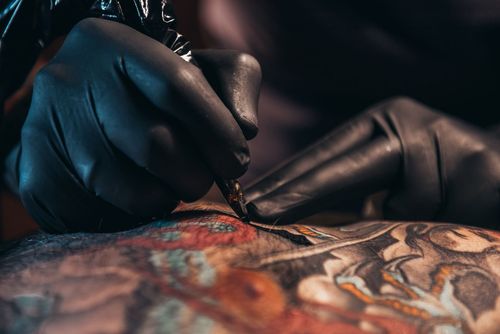
Tattoos: The Iceman, Ink in Your Nodes (+1 More)

Ötzi's 5,300-year-old tattoos, where your tattoo ink really travels in your body, and the company that frames a dead loved one's actual tattooed skin....

History Facts

Fun Facts

07 November 2026

Post

The Taboo Word That Broke Through Ad Breaks

One of these claims about a taboo word in a 1980s TV commercial is true, and one is completely made up. Can you guess which one really happened?...

Sports Facts

Fun Facts

07 November 2026

Post

Why a Marathon Is Exactly 26.2 Miles Long

The odd number behind every marathon traces back to one summer day in London. Here's how it happened....

History Facts

Fun Facts

07 November 2026

Post

Starbucks Secrets: Pequod, the CIA and Fecal Ice

The Moby-Dick name Starbucks almost used, the secret store inside CIA headquarters and the 2017 UK investigation that found fecal bacteria in coffee shop ice....

History Facts

Fun Facts

06 November 2026

Post

Lobotomies: 3 True Stories That Sound Made Up

How lobotomies won a Nobel Prize, why a 12-year-old was operated on for being a kid, and the secret Kennedy family surgery that was hidden for decades....

Food

Fun Facts

06 November 2026

Post

The Curious Case of How Spam Got Its Name

One of these claims about how Spam got its name is true, and one is completely made up. Can you guess which one really happened?...

Language Facts

Fun Facts

06 November 2026

Post

A Frustrated Author, a Word List, and a Hat

A famous children's book began as a publisher's headache. The author hated the assignment....

Food

Fun Facts

05 November 2026

Post

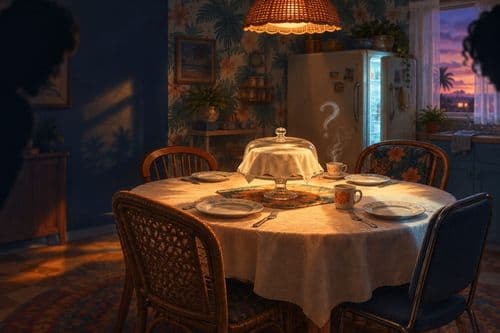
The Sweet Secret Behind a Sitcom Kitchen Table

One of these claims about a famous sitcom's kitchen-table dessert is true, and one isn't. Can you guess which behind-the-scenes story really happened?...

History Facts

Fun Facts

05 November 2026

Post

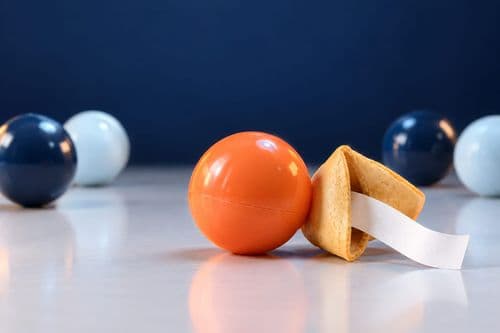
The Lottery Was Rigged: 3 Wild True Stories

A fortune cookie that picked 110 winners, a live TV drawing rigged to hit 666 and the security director who rigged jackpots: three true lottery scandals....
Terms and ConditionsDo Not Sell or Share My Personal InformationPrivacy PolicyPrivacy NoticeAccessibility NoticeUnsubscribe
Copyright © 2026 Fun Fact Feed