Fun Facts

Trending Now

Viagra Facts: A Heart Drug, Blue Vision and Hamsters

Viagra Facts: A Heart Drug, Blue Vision and Hamsters

Why Viagra began as a heart drug, how it can tint your vision blue and why the FAA cares, and the hamster jet lag study that won an Ig Nobel Prize.

Read more
Cannibalism: 3 True Stories You Won't Believe

Cannibalism: 3 True Stories You Won't Believe

Which state bans cannibalism, why the CDC warned about placenta pills, and how a tribe's funeral ritual may have left a gene that fights brain disease.

Read more
The Laughing Sickness That Shut Down Schools

The Laughing Sickness That Shut Down Schools

In 1962, three schoolgirls started laughing and a whole region couldn't stop. Nobody was joking.

Read more
The Surprising Origin of the Movie Trailer

The Surprising Origin of the Movie Trailer

One of these claims about the first movie trailer is true, and one is completely made up. Can you guess which one really happened?

Read more
Your Latte Art Is Named After a Monk's Hood

Your Latte Art Is Named After a Monk's Hood

A Sunday coffee order shares its name with a monk's wardrobe and a monkey. Here's the link.

Read more
See All Content
logo
  • Sports

  • History

  • Language

  • Food

  • Tech

  • Animals

  • Sports
  • History
  • Language
  • Food
  • Tech
  • Animals
  • ​

ASMR Might Be Linked to a Brain Response Similar to the Feeling of Meditation!

ASMR Might Be Linked to a Brain Response Similar to the Feeling of Meditation!

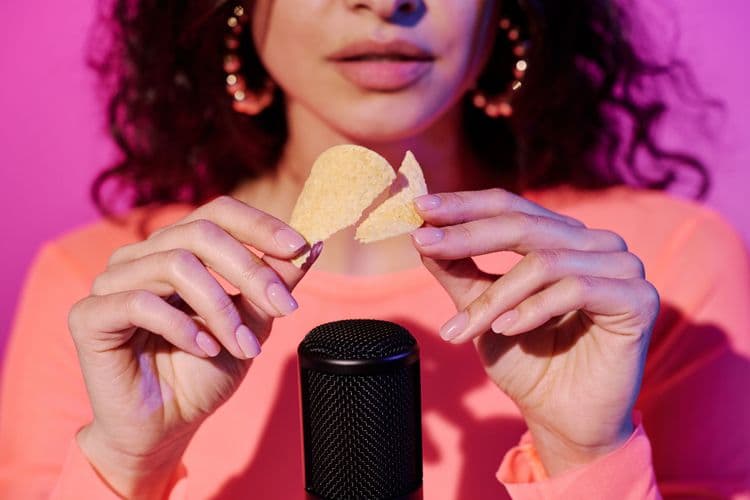
ASMR, or Autonomous Sensory Meridian Response, refers to a pleasant tingling sensation that some people feel in response to specific sounds, visuals, or gentle actions, such as whispering, tapping, or brushing. This sensation often starts at the scalp and can spread down the neck and spine, creating a deeply relaxing effect. ASMR has gained widespread attention in recent years, particularly through online videos, but its origins as a phenomenon are rooted in the soothing responses people have experienced for centuries.

Although the science behind ASMR is still emerging, researchers believe it may be linked to a brain response similar to the relaxation induced by meditation or social bonding. Studies suggest that ASMR triggers the release of feel-good hormones like dopamine and oxytocin, which are associated with stress relief, comfort, and emotional well-being. These “tingles” may activate brain regions related to pleasure and relaxation, helping to reduce anxiety and promote calmness.

Interestingly, ASMR is often compared to the comforting effects of close personal attention, such as the feeling of being cared for during a gentle haircut or having someone speak softly to you. Brain scans have shown that ASMR stimulates areas of the brain involved in positive emotions and social connection, reinforcing the idea that it mirrors the soothing aspects of interpersonal bonding. For those who experience ASMR, these sensations can be a powerful tool for relaxation and self-care.

Not everyone experiences ASMR, and the triggers can vary widely among individuals. Some people respond to sounds like crinkling paper or tapping, while others find visual triggers, such as slow, deliberate movements or light patterns, more effective. Despite this variability, ASMR has become a popular method for unwinding and improving sleep, with millions of people turning to ASMR videos and audio recordings to help them relax at the end of a long day.

Beyond relaxation, ASMR has also been used as a coping mechanism for stress, insomnia, and even chronic pain. Many people report that watching or listening to ASMR content helps them shift their focus away from discomfort or worry, allowing their bodies and minds to enter a more restful state. This growing interest in ASMR has led to research into its therapeutic potential, including its use in mental health practices.

ASMR highlights the fascinating ways our brains and bodies respond to sensory stimuli. Whether through whispered words, rhythmic tapping, or soothing visuals, ASMR offers a unique path to calm and comfort for those who experience it. As research continues to uncover its effects, ASMR remains a testament to the subtle yet profound power of sensory experiences in enhancing well-being.
Related Content

History Facts

Fun Facts

10 November 2026

Post

Viagra Facts: A Heart Drug, Blue Vision and Hamsters

Why Viagra began as a heart drug, how it can tint your vision blue and why the FAA cares, and the hamster jet lag study that won an Ig Nobel Prize....

History Facts

Fun Facts

09 November 2026

Post

Cannibalism: 3 True Stories You Won't Believe

Which state bans cannibalism, why the CDC warned about placenta pills, and how a tribe's funeral ritual may have left a gene that fights brain disease....

History Facts

Fun Facts

09 November 2026

Post

The Laughing Sickness That Shut Down Schools

In 1962, three schoolgirls started laughing and a whole region couldn't stop. Nobody was joking....

History Facts

Fun Facts

09 November 2026

Post

The Surprising Origin of the Movie Trailer

One of these claims about the first movie trailer is true, and one is completely made up. Can you guess which one really happened?...

Language Facts

Fun Facts

08 November 2026

Post

Your Latte Art Is Named After a Monk's Hood

A Sunday coffee order shares its name with a monk's wardrobe and a monkey. Here's the link....

Tech Facts

Fun Facts

08 November 2026

Post

How NASA Sends Tools to Astronauts in Orbit

One of these claims about NASA and tools for astronauts is true, and one is completely made up. Can you guess which one really happened?...

History Facts

Fun Facts

08 November 2026

Post

Tattoos: The Iceman, Ink in Your Nodes (+1 More)

Ötzi's 5,300-year-old tattoos, where your tattoo ink really travels in your body, and the company that frames a dead loved one's actual tattooed skin....

History Facts

Fun Facts

07 November 2026

Post

The Taboo Word That Broke Through Ad Breaks

One of these claims about a taboo word in a 1980s TV commercial is true, and one is completely made up. Can you guess which one really happened?...

Sports Facts

Fun Facts

07 November 2026

Post

Why a Marathon Is Exactly 26.2 Miles Long

The odd number behind every marathon traces back to one summer day in London. Here's how it happened....

History Facts

Fun Facts

07 November 2026

Post

Starbucks Secrets: Pequod, the CIA and Fecal Ice

The Moby-Dick name Starbucks almost used, the secret store inside CIA headquarters and the 2017 UK investigation that found fecal bacteria in coffee shop ice....

History Facts

Fun Facts

06 November 2026

Post

Lobotomies: 3 True Stories That Sound Made Up

How lobotomies won a Nobel Prize, why a 12-year-old was operated on for being a kid, and the secret Kennedy family surgery that was hidden for decades....

Food

Fun Facts

06 November 2026

Post

The Curious Case of How Spam Got Its Name

One of these claims about how Spam got its name is true, and one is completely made up. Can you guess which one really happened?...

Language Facts

Fun Facts

06 November 2026

Post

A Frustrated Author, a Word List, and a Hat

A famous children's book began as a publisher's headache. The author hated the assignment....

Food

Fun Facts

05 November 2026

Post

The Sweet Secret Behind a Sitcom Kitchen Table

One of these claims about a famous sitcom's kitchen-table dessert is true, and one isn't. Can you guess which behind-the-scenes story really happened?...

History Facts

Fun Facts

05 November 2026

Post

The Lottery Was Rigged: 3 Wild True Stories

A fortune cookie that picked 110 winners, a live TV drawing rigged to hit 666 and the security director who rigged jackpots: three true lottery scandals....
Terms and ConditionsDo Not Sell or Share My Personal InformationPrivacy PolicyPrivacy NoticeAccessibility NoticeUnsubscribe
Copyright © 2026 Fun Fact Feed