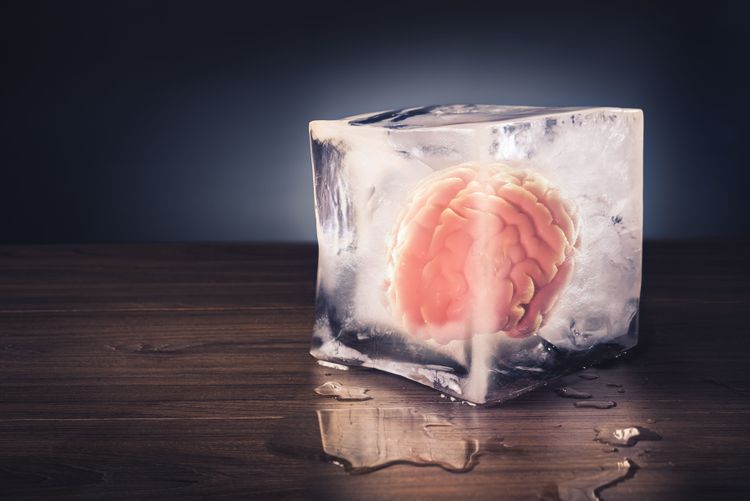
About 37% of people never experience brain freeze no matter how fast they eat ice cream or drink frozen beverages. If you're one of these people, you have a completely different anatomy in your head than the majority of humans.
Brain freeze happens when cold temperatures hit the roof of your mouth, causing blood vessels to rapidly contract and expand. This triggers pain signals from nerves connected to your brain. But some people's anatomy simply doesn't create this response.
The lucky ones have different nerve sensitivity in their palate and different blood vessel patterns in their head. Their mouth-to-brain nerve pathways either don't connect the same way or aren't as sensitive to temperature changes that torture the rest of us.
What's particularly unfair is that this immunity is completely genetic. You either have the anatomical protection or you don't - there's no way to train yourself to avoid brain freeze if your nerves are wired for temperature sensitivity.
Researchers study brain freeze immunity because it might reveal insights about pain processing and headache disorders. People who never get brain freeze also tend to have different responses to other types of head pain.
The temperature threshold varies among those who do experience it. Some people get brain freeze from slightly cool drinks, while others can chug slushies with no problems. Your personal pain threshold is determined by genetics you inherited.
Scientists call it "sphenopalatine ganglioneuralgia" - basically "nerve pain from cold hitting your palate." But for the 37% who are immune, this medical condition simply doesn't exist.
Interestingly, the same peoplewhodon't get brain freeze often have higher pain tolerance for dental procedures and other mouth-related discomfort.
If you've never experienced brain freeze, you're part of a genetic minority with naturally superior pain protection in your head.