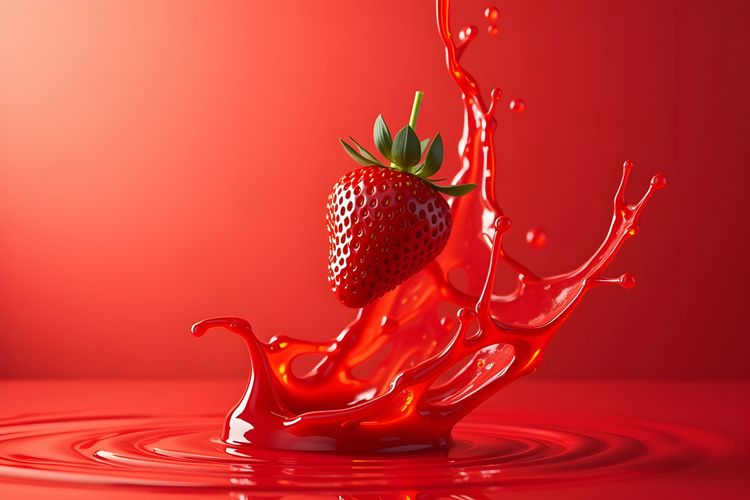
Some peopleliterally taste colorswhen they eat food - strawberries might taste "bright red and round" while lemons taste "sharp yellow and triangular." This isn't imagination - it's a neurological condition called synesthesia.
About 4% of people have some form of synesthesia, where stimulation of one senseautomatically triggers another. Gustatory-visual synesthetes experience vivid colors and shapes whenever they taste food, creatinga multi-sensory eating experiencemost peoplecan't imagine.
The condition occurs because their brain's sensory processing areasare cross-wired. Instead of taste and visionoperating separately, the pathwaysconnect directly, so every flavor creates a corresponding visual experience that's as real as actual sight.
Each person'scolor-taste associationsare uniqueandconsistent. Someone might always see purple spirals when eating chocolate or experience golden sparkles with vanilla. The patterns never change - chocolate will always trigger the same purple spirals for that individual.
What's remarkable is how detailed these experiences can be. Synesthetesdon't justsee colors - they experienceshapes, textures, movements, and spatial arrangements. Spicy foods might create jagged red lines while sweet flavors produce soft, rounded shapes.
The conditionoften runs in families, suggestinga genetic component. Children with synesthetic parents are more likely to develop the condition, though it can also appear randomly in any family.
Synesthetesoften describeeating as watchinga private light show. Every mealbecomesa visual performance where flavors dance, colors blend, and shapes transformin their mind's eye. Some report that the visual component affects their food preferences - they might avoid foods that create unpleasant colors or seek out dishes that produce beautiful visuals.
That multi-sensoryeating experiencerevealshow differentlyhuman brainscan processthe samebasic sensory information.