Next time you're in a grocery store, pay attention to where you find the milk.It's always in the back corner, isn't it? Same with eggs, bread, and other essentials you buy regularly. Ever wonder why stores make you walk so far for the basics?
The placement isn't random or based on refrigeration needs. Grocery stores have multiple refrigeration units throughout their buildings, so milk could easily be placed near the front entrance. But it never is. There's a calculated business reason behind forcing customers on this journey to the back of the store.
Retail psychologists call it the "milk run strategy," and it's one of the most effective ways to increase customer spending. By placing necessities as far as possible from the entrance, stores guarantee that shoppers will encounter thousands of other products before reaching their intended purchase.
The strategy works because of human psychology.When people need milk, they're focused on that specific goal and might normally ignore other products. But the long walk exposes them to attractive displays, seasonal items, and promotional offers they wouldn't otherwise notice. Studies show that customers buy 3-5 additional items during these forced journeys through the store.
Store layouts are scientific masterpieces of consumer manipulation.The most profitable items are positioned at eye level in high-traffic areas, while cheaper alternatives hide on bottom shelves. End-cap displays generate 400% more sales than the same products placed in regular locations.
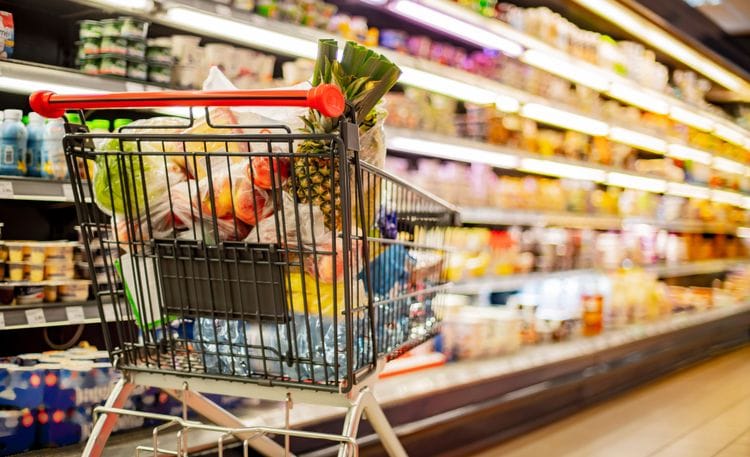
Even shopping cart design is part of the strategy.Modern carts are 40% larger than those from the 1980s because bigger carts subconsciously encourage customers to fill them up.
Every grocery store visit is a carefully planned psychological journey designed to maximize spending before you escape with your milk.