




Do you have a wallet full of store loyalty cards? Most Americans carry 7-10 different loyalty cards from grocery stores, pharmacies, and retail chains. The promise is simple: show your card, get discounts and special offers.But have you ever wondered what stores get in return?
Think about it for a moment.Why would a profitable business give you money back just for scanning a plastic card? What's the real value exchange happening when you swipe that loyalty card at checkout?
The answer goes far beyond tracking your purchases for inventory purposes.Modern loyalty programs are sophisticated data collection operations that would make tech companies envious. Every time you scan your card, you're providing information that's far more valuable than the discounts you receive.
Here's what might surprise you:The average loyalty card tracks over 200 different data points about your shopping behavior. This includes not just what you buy, but when you shop, how you pay, what products you examine but don't purchase, and even how your spending patterns change over time.
But the real shock comes when you learn where this information goes.Stores don't just keep your data for their own use.They package and sell detailed customer profiles to companies you've never heard of, creating revenue streams you never knew existed.
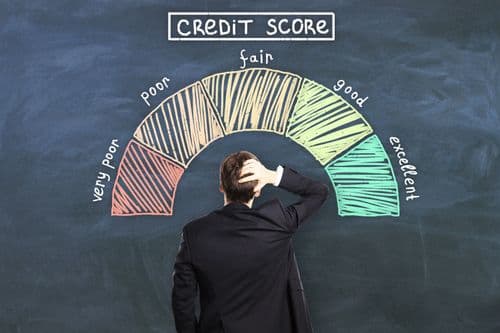
The most disturbing part?Your shopping patterns can reveal incredibly personal information about your health, relationships, and financial situation. Companies use this data to make decisions about your insurance rates, employment prospects, and credit worthiness - all without your knowledge.
Every loyalty card in your wallet is essentially a tracking device that turns your shopping habits into profit for companies that view you as a product to be sold rather than a customer to be served.