Fun Facts

Recent Content

Why Boxing Day Is Called Boxing Day

Why Boxing Day Is Called Boxing Day

Boxing Day started as the one day British servants got off after working Christmas. They received boxes of leftovers and tips from their employers.

Read more
Christmas Trees Started as Pagan Worship of Odin

Christmas Trees Started as Pagan Worship of Odin

Decorating evergreen trees at winter originated with Germanic tribes honoring Odin.

Read more
Santa Claus Did Not Always Wear Red

Santa Claus Did Not Always Wear Red

Before Coca-Cola's marketing campaign, Santa was depicted in blue, green, and purple across different cultures.

Read more
How November and December Are the Most Dangerous Months

How November and December Are the Most Dangerous Months

Holiday decorating sends over 15,000 people to the ER annually, and spoiled Christmas leftovers cause 400,000+ illnesses.

Read more
The Paranoid History Behind Clinking Glasses During Toasts

The Paranoid History Behind Clinking Glasses During Toasts

Clinking glasses before drinking started as a medieval poison detection method. Now it's mandatory etiquette that nobody questions.

Read more
See All Content
logo
  • Sports

  • History

  • Language

  • Food

  • Tech

  • Animals

  • Sports

  • History

  • Language

  • Food

  • Tech

  • Animals

  • ​
    ​

The Weird Reason All Clock Ads Show Identical Times

The Weird Reason All Clock Ads Show Identical Times

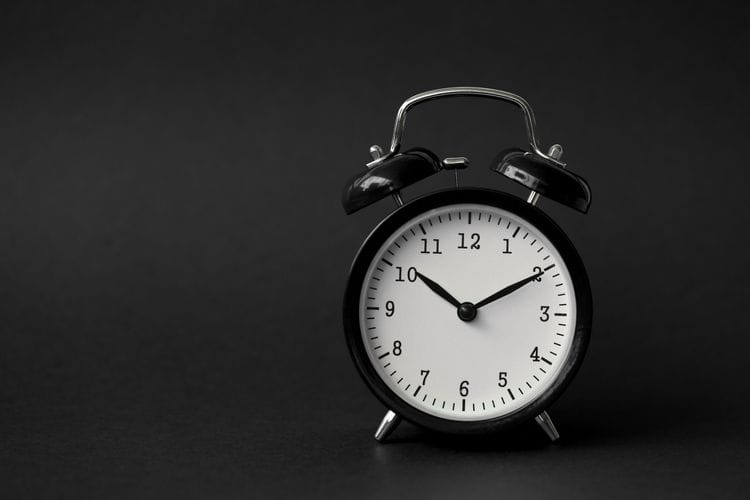
Every clock shown in every advertisement reads 10:10, and the reason is psychologically manipulative. This specific time creates a "smiling face" pattern—the hour and minute hands form a V-shape that resembles an upward smile, subconsciously making viewers feel positive about the product.

But the darker truth emerged in the 1940s when advertising psychologists discovered that certain times triggered negative emotional responses. Times like 8:20 created a "frowning" pattern that made people less likely to purchase. The industry standardized on 10:10 to maximize sales through subliminal emotional manipulation.

Even more disturbing: digital clocks in ads almost always show 10:08 or 12:08 because the symmetrical digits create psychological "balance" that triggers purchase impulses. The specific minutes are chosen because human brains interpret symmetrical numbers as more trustworthy.

Watch commercials tonight—every timepiece shows these exact times. It's not coincidence; it's calculated psychological manipulation refined over 80 years of advertising research.

The time displayed on advertised clocks isn't telling time—it's telling your brain to buy.

Related Content

Terms and ConditionsDo Not Sell or Share My Personal InformationPrivacy PolicyPrivacy NoticeAccessibility NoticeUnsubscribe
Copyright © 2025 Fun Fact Feed