
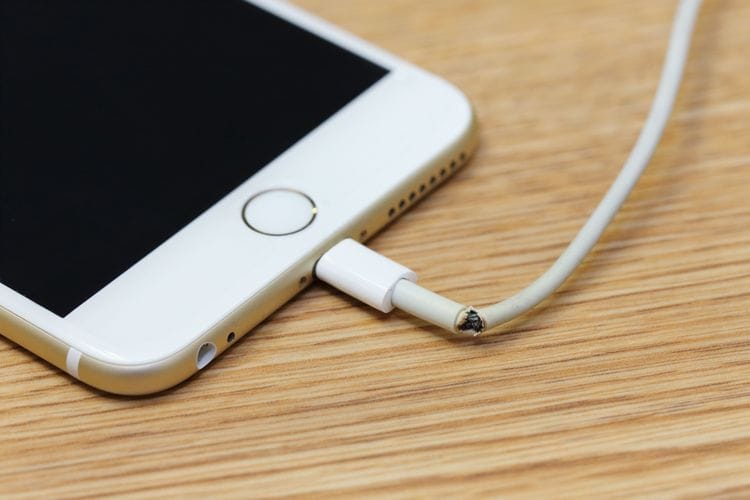
Every USB cable you've ever owned has probably broken in the exact same place—right where the cable meets the connector. You probably assumed it was just poor manufacturing or bad luck.
But here's the conspiracy behind those failures: USB cables are deliberately designed with a weak point that ensures they break within 2-3 years, forcing you to buy replacements and generating billions in recurring revenue for tech companies.
The weak spot isn't accidental—it's engineered.Cable manufacturers use thinner wire gauge and cheaper materials specifically in the stress-relief area where bending naturally occurs. This creates a predictable failure point that activates just after warranty periods expire.
Here's what's particularly manipulative: The technology exists to make USB cables that last decades, but companies deliberately choose materials and designs that ensure "planned obsolescence". Military and industrial USB cables using the same connectors can withstand years of abuse because they're built without the intentional weak points.
What makes this more profitable is the replacement cycle timing. Consumer USB cables are designed to fail just when people are getting comfortable with their setup, forcing inconvenient emergency purchases at higher prices than planned shopping would allow.
The conspiracy extends to connector design. USB-C cables fail even faster than older USB cables because the smaller connector creates more stress concentration at the cable junction. This wasn't an engineering oversight—it was intentional to accelerate replacement cycles.
Here's what's most frustrating: The $3 cable that breaks every year costs manufacturers less than 50 cents to produce. You're paying a 500% markup for a product intentionally designed to fail and forced repeat purchases.
What's particularly sneaky is the "upgrade" marketing. When your cable breaks, companies promote "improved" versions that cost more but fail just as predictably. The improvements are cosmetic—the planned obsolescence remains unchanged.
That USB cable graveyard in your junk drawer isn't evidence of your bad luck with technology—it's proof of a calculated conspiracy to extract recurring revenue through engineered product failure.