
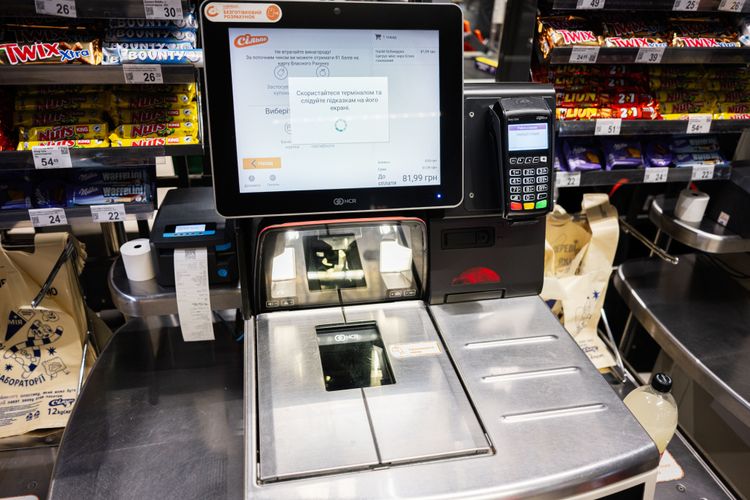
You've experienced the frustration countless times - "unexpected item in bagging area" and "please wait for assistance" messages that seem to trigger for no reason. Most people assume self-checkout machines are just poorly designed or oversensitive.
But those "malfunctions" are deliberately programmed to happen at strategic moments. Stores want self-checkout to be just difficult enough to discourage certain behaviors while still appearing to offer convenience.
The weight sensors are calibrated to be overly sensitive on purpose. When you place an item that's even slightly different in weight than expected, the machine triggers an error that requires employee intervention. This isn't technical failure - it'sbehavioral control.
Stores discovered that completely smooth self-checkout led to massive increases in theft because people became too comfortable with the process. The strategic "malfunctions" create just enough friction to keep shoppers on edge and remind them they're being monitored.
Different items trigger errors at different rates based on their theft profiles. High-value items like electronics are programmed with stricter tolerance for weight variations, while low-risk items like bananas rarely cause problems.
The "please wait for assistance" message serves multiple purposes beyond security. It creates opportunities for employees to upsell additional products or store services during the mandatory interaction. The delay also discourages people from choosing self-checkout for large orders.
Stores could easily fix these "problems" with simple software updates, but they deliberately maintain the current sensitivity levels because frustrated customers are actually more profitable customers. The inconvenience drives people back to traditional checkout lanes where impulse purchases and human salesmanship increase spending.
What's most manipulative is how stores blame the technology rather than admitting the difficulties are intentional. Customer service representatives are trained to apologize for "technical issues"whilethe real issue is deliberate programming designed to control your shopping behavior.
Those maddening self-checkout "malfunctions" aren't bugs in the system - they're profitable features designed to manipulate how you shop.