Fun Facts

Recent Content

The First Ball Drop Almost Killed People

The First Ball Drop Almost Killed People

The 1907 Times Square ball was 700 pounds of iron and wood. It nearly fell during the first drop, almost killing the crowd below.

Read more
How January 1st Became New Year's Day

How January 1st Became New Year's Day

Julius Caesar picked January 1st as New Year's Day in 46 BC. Before that, the new year was March 1st—which is why our month names don't make sense.

Read more
Why Boxing Day Is Called Boxing Day

Why Boxing Day Is Called Boxing Day

Boxing Day started as the one day British servants got off after working Christmas. They received boxes of leftovers and tips from their employers.

Read more
Christmas Trees Started as Pagan Worship of Odin

Christmas Trees Started as Pagan Worship of Odin

Decorating evergreen trees at winter originated with Germanic tribes honoring Odin.

Read more
Santa Claus Did Not Always Wear Red

Santa Claus Did Not Always Wear Red

Before Coca-Cola's marketing campaign, Santa was depicted in blue, green, and purple across different cultures.

Read more
See All Content
logo
  • Sports

  • History

  • Language

  • Food

  • Tech

  • Animals

  • Sports

  • History

  • Language

  • Food

  • Tech

  • Animals

  • ​
    ​

The Hidden Messages in Famous Paintings

The Hidden Messages in Famous Paintings

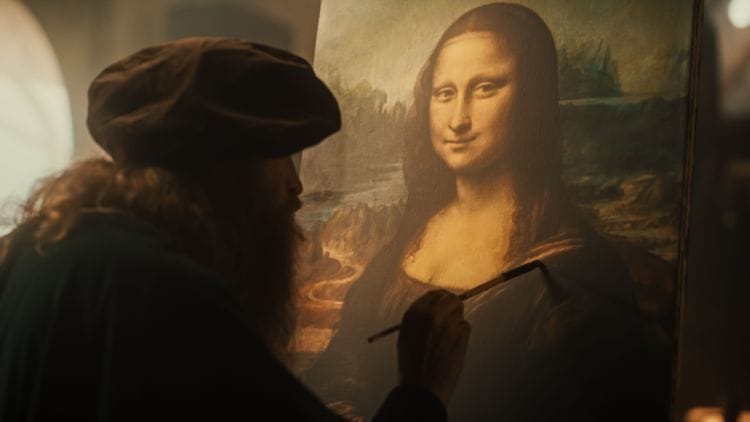
Some of the world's most famous paintings harbor secret messages and hidden details that have remained concealed for centuries. Leonardo da Vinci, a master of embedding codes in his work, sparked endless fascination with his mysterious techniques.

Recent examinations of the Mona Lisa using advanced imaging technology revealed tiny letters and numbers hidden in her eyes—so small they're invisible to the naked eye. In the right eye, researchers believe they found the letters "LV," potentially Leonardo's signature, while the left eye contains symbols that scholars are still attempting to decipher.

Art historians have also discovered hidden images in works by Michelangelo, Botticelli, and Caravaggio—from anatomical drawings disguised as clouds to secret portraits of rivals and even political messages. These concealed elements weren't just artistic flourishes but often ways for artists to incorporate forbidden subjects, sign their work subtly, or comment on religious or political matters without censorship—making these masterpieces multi-layered puzzles still being solved today!

Related Content

Terms and ConditionsDo Not Sell or Share My Personal InformationPrivacy PolicyPrivacy NoticeAccessibility NoticeUnsubscribe
Copyright © 2025 Fun Fact Feed