That vibrant red color in your strawberry yogurt, fruit punch, and even some lipsticks comes from an unexpected source that would make most people squirm.
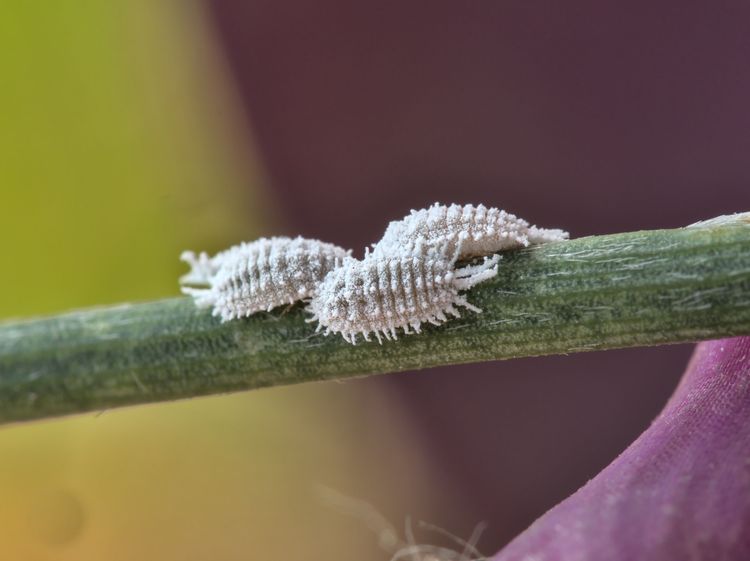
Carmine, one of the most common red food colorings, is made by crushing thousands of tiny female cochineal insects that spend their lives munching on prickly pear cacti in South and Central America.
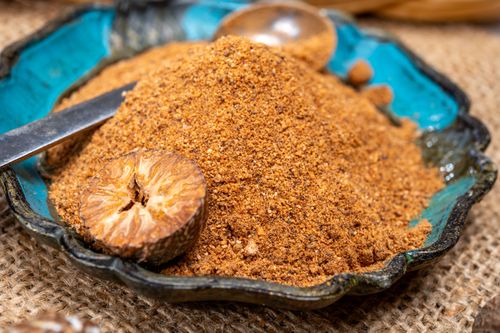
It takes approximately 70,000 of these bugs to produce just one pound of carmine dye. The insects are harvested, dried, and then ground into a fine powder that creates that perfect crimson shade manufacturers love.
The process itself is surprisingly ancient. Indigenous peoples in Mexico and Peru have been using cochineal insects to create red dye for over 500 years, long before synthetic food coloring existed. Spanish conquistadors discovered this incredible natural pigment and carmine became so valuable it was worth more than gold by weight during the colonial period.
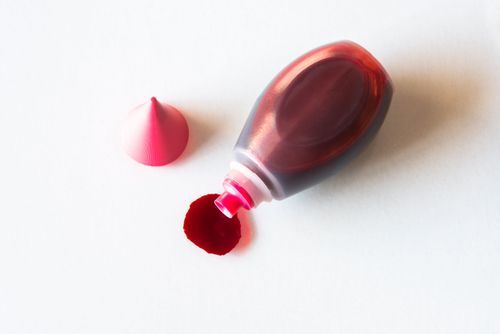
You'll find this insect-based ingredient hiding in plain sight on labels under names like "carmine," "cochineal extract," "crimson lake," or "natural red 4." Major food companies use it because it's considered "natural" and creates more vibrant, stable colors than synthetic alternatives.
Starbucks famously used carmine in their strawberry Frappuccinos until customer backlash forced them to switch to a tomato-based alternative. But countless other products still contain it: red velvet cupcakes, fruit snacks, some varieties of Skittles, Dannon strawberry yogurt, and even some organic products marketed as "all-natural."
The cosmetics industry relies heavily on carmine too. Your red lipstick, blush, and even some shampoos likely contain ground-up insects. The beauty industry particularly loves carmine because it doesn't fade or change color when exposed to light or heat like many synthetic alternatives do.
The FDA requires carmine to be listed on ingredient labels, but most consumers have no idea what it actually means. Vegetarians, vegans, and people with shellfish allergies (who can also react to cochineal) often consume this insect product without realizing it.
The harvesting process is incredibly labor-intensive. Workers must hand-pick the insects from cacti using brushes, then carefully dry them in the sun before grinding them into powder. A single cactus plant might host thousands of cochineal insects, but each bug is smaller than a peppercorn.
The irony is that this bug-based dye is often more expensive than synthetic red coloring, but companies use it specifically because they can market products as containing "natural ingredients" while customers remain blissfully unaware they're eating insects with their breakfast.