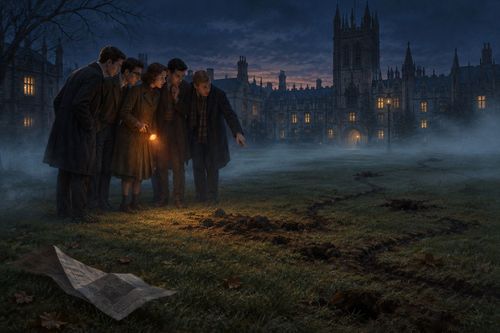
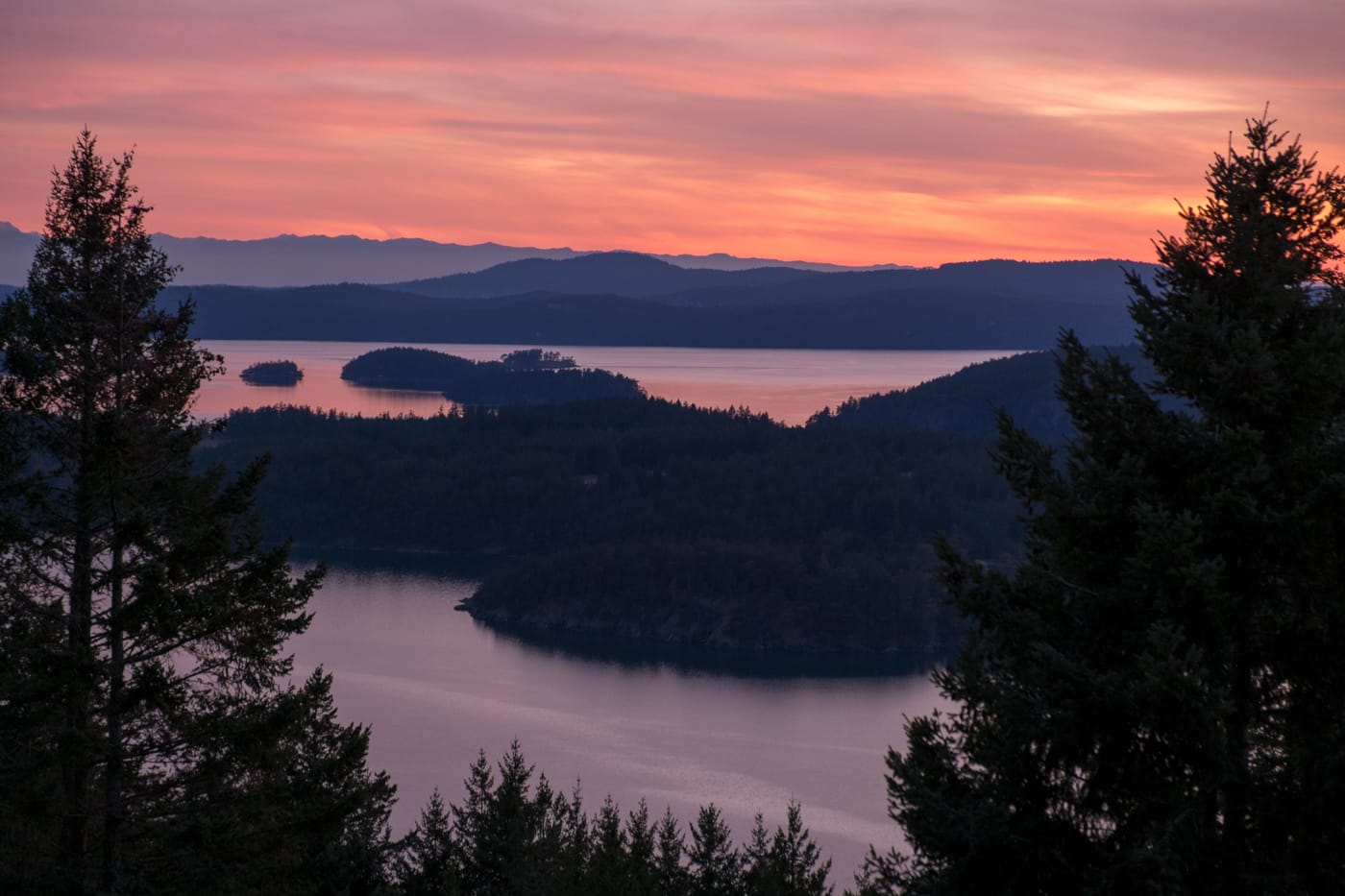
On June 15, 1859, an American farmer named Lyman Cutlar stepped outside to find a large black pig rooting through his potato garden on San Juan Island — a small, disputed island in the Pacific Northwest that both the United States and Great Britain claimed as their own. It wasn't the first time. Cutlar had warned the pig's owner, Charles Griffin, an employee of the powerful British Hudson's Bay Company, about the repeated trespassing. Nothing had changed. So Cutlar shot the pig. Within weeks, his decision would bring two nations to the edge of war.
The exchange between the two men after the shooting has been quoted ever since. When Griffin demanded compensation, Cutlar reportedly said: "It was eating my potatoes." Griffin's reply: "It is up to you to keep your potatoes out of my pig." The men couldn't agree on a price. Griffin escalated — demanding British authorities arrest Cutlar for destroying company property. Cutlar and the other American settlers on the island, fearing arrest and deportation, sent an urgent request to the U.S. Army for military protection.
The request landed on the desk of General William Harney, commander of the Department of Oregon, whose anti-British views were well documented. He sent a 66-man company of the U.S. 9th Infantry to San Juan Island without waiting for authorization from Washington. The British governor of British Columbia, James Douglas, responded by dispatching three warships. By August, the island that had previously housed a few dozen settlers held nearly 500 American soldiers dug into fortified positions — facing down 2,000 British troops and five warships in the harbor.
Both sides had been given the same order: defend your position, but do not fire the first shot. The situation was genuinely volatile. U.S. Captain George Pickett — who would later gain fame as a Confederate general at Gettysburg — looked down the gun ports of British warships from his camp and reportedly told his men they would make a good show of it. The British captains met with him and urged withdrawal. He refused. What prevented the standoff from becoming a shooting war was a single British admiral's decision.
Admiral Robert Baynes, Commander-in-Chief of the British Navy in the Pacific, arrived and was briefed on the situation. He looked at what was being asked of him — attacking a fortified American position on a disputed island — and refused the order. "Involve two great nations in a war over a squabble about a pig?" he reportedly said. "I shall not do it." His refusal was the turning point. Rather than escalate, both sides agreed to a joint military occupation of the island while diplomats worked out the border question properly.
The joint occupation lasted 12 years. American and British soldiers shared the island — camped at opposite ends — from 1859 to 1872. By most accounts, they got along remarkably well. They played sports together, shared holidays, and reportedly traded supplies. The two camps operated simultaneously, maintaining the fiction of military readiness while doing essentially nothing hostile. It was, by any measure, the most civilized standoff in military history.
The border dispute was finally resolved in 1872 through international arbitration, with Kaiser Wilhelm I of Germany serving as the neutral arbitrator. He awarded San Juan Island to the United States. The British troops departed. The American camp was decommissioned. The island that had nearly caused a war became part of Washington Territory, and eventually Washington State — largely because of the sequence of events that began with one pig's taste for potatoes.
The Pig War, as it came to be called, remains the only armed standoff in history in which the only casualty was the animal that started it. Lyman Cutlar was never formally charged. Charles Griffin was compensated for his pig — the equivalent of about $10 today. The border between the United States and Canada in the Pacific Northwest runs where it does because of a black Berkshire boar that could not stay out of a potato garden.