Fun Facts

Recent Content

The Bizarre History of Figgy Pudding

The Bizarre History of Figgy Pudding

Carolers demanded figgy pudding for centuries, but most people have no idea what it actually is or why it became a Christmas tradition worth singing about.

Read more
Why Hippos Are Technically Airborne When They Run

Why Hippos Are Technically Airborne When They Run

2024 research revealed hippos spend 15% of their stride completely off the ground. These 4,000-pound animals are literally flying with every step.

Read more
The Rebellious Origins of Eggnog

The Rebellious Origins of Eggnog

British aristocrats hoarded eggs and milk as status symbols. American colonists created alcoholic egg custard to mock them. Now we all drink it every Christmas.

Read more
Why Pregnancy Permanently Rewires Your Brain

Why Pregnancy Permanently Rewires Your Brain

UC Irvine researchers discovered pregnancy causes permanent brain structure changes—gray matter shrinks while white matter grows, and it never goes back.

Read more
The Real Reason We Hang Stockings at Christmas

The Real Reason We Hang Stockings at Christmas

Christmas stockings started as Dutch wooden shoes filled with hay for St. Nicholas's horse. Now we stuff them with gifts more expensive than actual presents.

Read more
See All Content
logo
  • Sports

  • History

  • Language

  • Food

  • Tech

  • Animals

  • Sports

  • History

  • Language

  • Food

  • Tech

  • Animals

  • ​
    ​

The Bizarre World of Water Bears—Earth’s Toughest Creatures

The Bizarre World of Water Bears—Earth’s Toughest Creatures

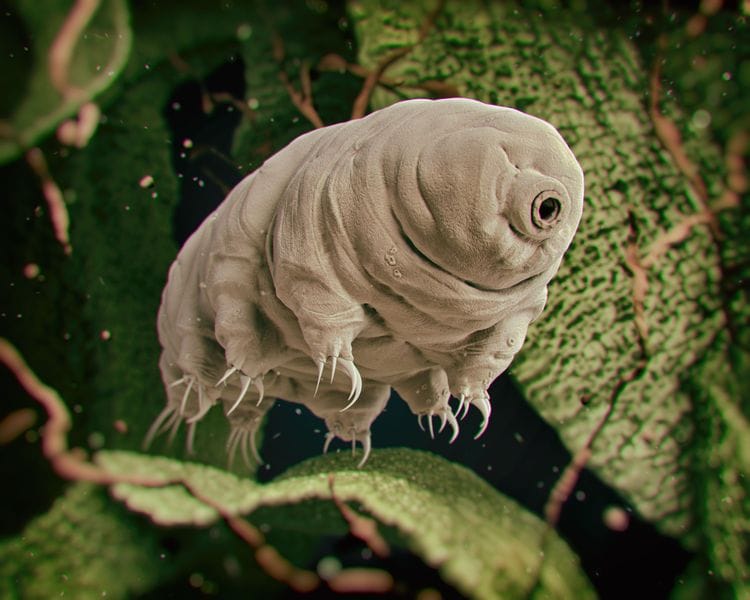
Tardigrades, affectionately nicknamed "water bears," are some of the toughest organisms on Earth. These tiny, eight-legged creatures are only about 0.5 millimeters long, but they can survive extreme environments that would obliterate almost any other life form.

Water bears have been found thriving in the deepest parts of the ocean, the highest mountain peaks, and even in outer space! In 2007, scientists sent tardigrades into space, exposing them to the vacuum and radiation of low Earth orbit. Incredibly, when they returned to Earth, many of them were still alive.

Their secret? Cryptobiosis—a state where they dry out, curl up into a tiny ball called a "tun," and nearly shut down all biological processes. In this state, tardigrades can survive freezing, boiling, radiation, dehydration, and crushing pressure.

It’s amazing to think that one of the mightiest survivors on Earth is something you could barely spot under a microscope!


Related Content

Terms and ConditionsDo Not Sell or Share My Personal InformationPrivacy PolicyPrivacy NoticeAccessibility NoticeUnsubscribe
Copyright © 2025 Fun Fact Feed