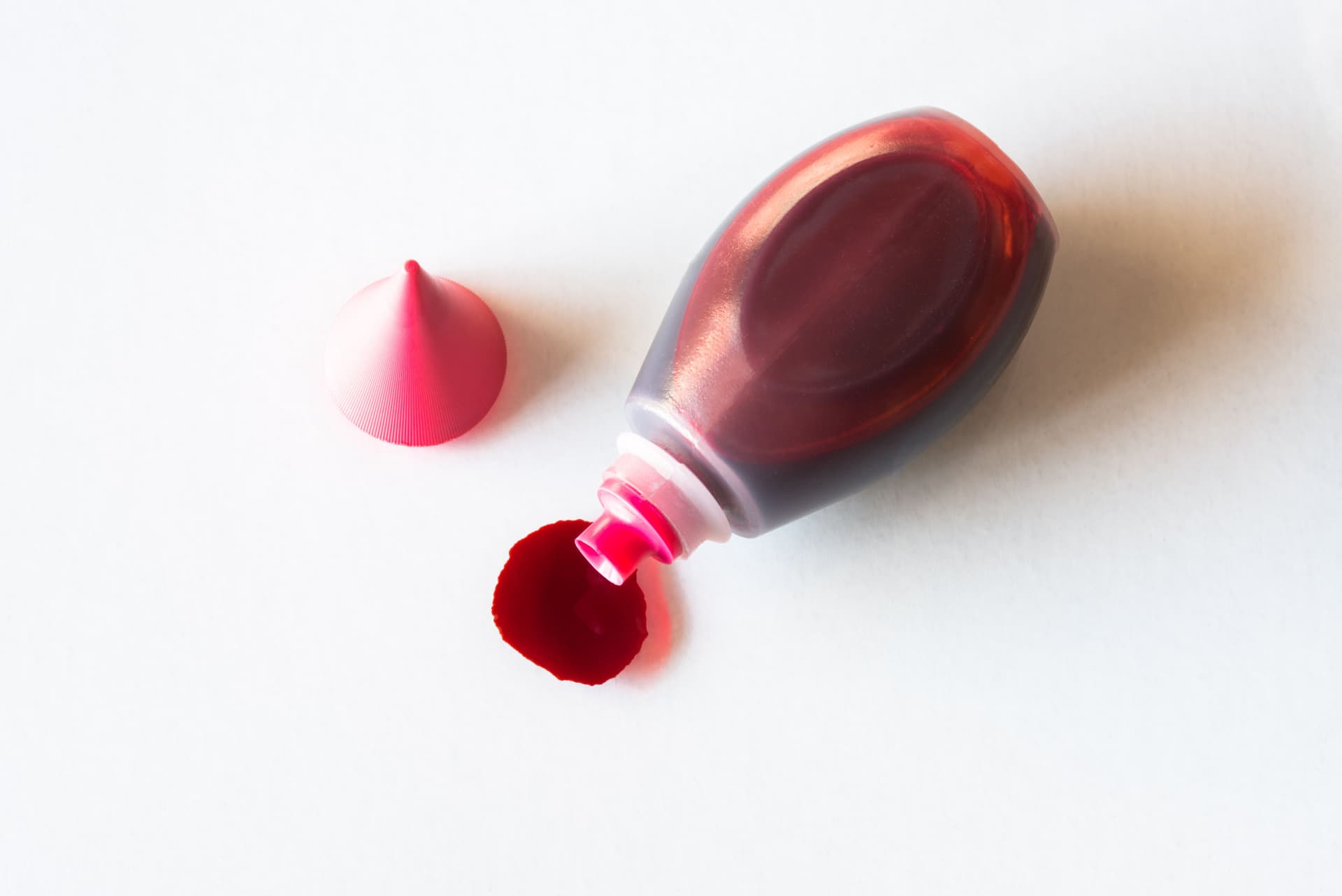
In 1990, the FDA banned a synthetic food dye called Red Dye No. 3 from all cosmetics and topical drugs. The reason? Studies showed it caused cancer in laboratory animals. At the time, the FDA said they would "take steps" to ban it from food too.
Then they just... didn't. For 34 years, Red Dye No. 3 remained perfectly legal in candy, cakes, cookies, cherry products, and thousands of other foods that children and adults eat every day.
Think about that for a second. The FDA determined this dye was too dangerous to put in your lipstick, but totally fine to put in your kid's candy. You couldn't rub it on your lips, but you could absolutely eat it.
The evidence against Red Dye No. 3 wasn't new or controversial. Animal studies from the 1980s showed it caused thyroid tumors in rats. The National Toxicology Program called the evidence "convincing." Based on this, the FDA banned it from cosmetics in 1990 under the Delaney Clause – a law that prohibits any additive shown to cause cancer in humans or animals.
But here's where it gets weird: Red Dye No. 3 had already been permanently approved for food use back in 1969, before the cancer studies came out. By the time the FDA banned it from cosmetics in 1990, removing it from the food supply would have required a whole separate regulatory process.
So the FDA took the path of least resistance. They banned it where it was easier to ban (cosmetics) and promised they'd get around to banning it from food eventually. Then they sat on that promise for more than three decades.
Meanwhile, food manufacturers kept using Red Dye No. 3 in thousands of products. Conversation hearts, candy corn, fruit cocktails with those bright red cherries, certain medications, cake frostings – all legally contained a dye that the FDA had already determined causes cancer in animals.
The food industry argued that the levels in food were safe, that the rat studies didn't apply to humans, and that there was a threshold below which the dye was harmless. But the Delaney Clause doesn't care about thresholds or industry arguments. If it causes cancer in animals, it's banned. Period.
So why did Red Dye No. 3 stay in food for 34 years? In 2022, the Center for Science in the Public Interest (CSPI), along with 23 other organizations and scientists, filed a petition demanding the FDA finally ban it from food. They essentially had to force the FDA to follow its own law.
Even then, the FDA didn't act immediately. It took over two years for them to respond to the petition. Meanwhile, California got tired of waiting and passed its own law in 2023 banning Red Dye No. 3 from food sold in the state starting in 2027.
Finally, in January 2025 – 35 years after promising to do so – the FDA banned Red Dye No. 3 from food and ingested drugs. Food manufacturers have until January 2027 to reformulate their products. Drug manufacturers have until January 2028.
The really frustrating part? Other countries banned Red Dye No. 3 from food years ago. Europe, Australia, New Zealand, Japan, and China all prohibit it. Food companies already make versions of their products without Red Dye No. 3 for those markets. They just kept selling the version with the cancer-causing dye to Americans because they legally could.
So for 34 years, the FDA allowed a known carcinogen to stay in the food supply – not because the science changed, not because it was suddenly safe, but because removing it required regulatory effort they didn't want to make until consumer groups and state legislation forced their hand.
The next time you see a bright red candy or maraschino cherry, remember: that color was deemed too dangerous for lipstick in 1990, but perfectly fine for you to eat until 2025.