Some people look in the mirror and see a complete stranger - even when that stranger is themselves. Prosopagnosia, or face blindness, affects approximately 2.5% of the population, and in severe cases, people cannot recognize their own faces, their spouse's face, or even their children's faces.
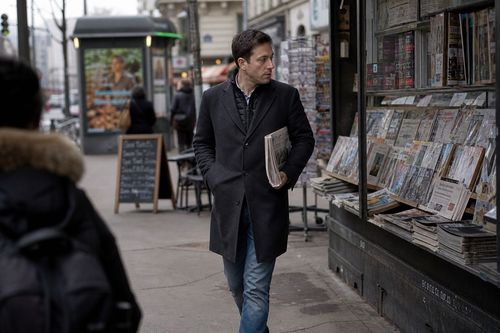
The condition is so extreme that sufferers develop elaborate coping strategies to navigate daily life. They memorize clothing, hairstyles, walking patterns, and voice characteristics to identify people. One woman couldn't recognize her husband of 20 years unless he wore his distinctive red jacket. Another man accidentally followed strangers home because they had similar builds to his wife.
The neurological basis is fascinating and terrifying.Face recognition happens in a specific brain region called the fusiform face area. When this area is damaged or underdeveloped, faces become meaningless patterns - like trying to distinguish between two random arrangements of shapes. People with face blindness can see perfectly, recognize objects instantly, and even identify emotions, but faces are just visual noise.
What makes this particularly unsettling is how faces lose all meaning. Neurologist Oliver Sacks, who had face blindness himself, described faces as "a pink blur with dark spots" - completely devoid of the recognition that normally makes faces special. Imagine looking at your mother and seeing a stranger, or walking past your best friend without the slightest glimmer of recognition.
The social consequences are devastating. Children with face blindness often seem antisocial or rude because they don't acknowledge classmates and teachers. Adults lose jobs, relationships, and social connections because people think they're deliberately ignoring them. Many don't realize they have the condition for decades, assuming everyone struggles with face recognition.
Perhaps most bizarre: some people can recognize famous faces but not personal ones. They'll instantly identify movie stars or politicians but can't recognize their own family members. The brain treats familiar faces and celebrity faces differently, suggesting multiple face recognition systems that can fail independently.
Technology is creating new challenges for face-blind individuals. Security systems, photo tagging, and face-unlock features assume everyone can distinguish faces. Some people with severe face blindness carry photos of family members with their names written on the back because they literally cannot tell their loved ones apart in pictures.
The condition also reveals how much we rely on face recognition for basic social functioning. Normal people can identify thousands of faces and remember them for decades, but imagine navigating a world where every person looks like an indistinguishable mannequin - that's the daily reality for millions of face-blind individuals.
Criminal investigations have exposed the condition's legal implications. Eyewitness testimony becomes meaningless when witnesses have undiagnosed face blindness, yet courts rarely screen for the condition before accepting identification evidence. Several wrongful convictions have been overturned when it was discovered the key witness couldn't actually recognize faces at all.
The hereditary nature makes it a family tragedy. Face blindness often runs in families, meaning multiple generations grow up thinking everyone struggles with faces. Parents can't recognize their children at school pickups, siblings mistake each other for strangers, and family photos become exercises in frustration rather than cherished memories.