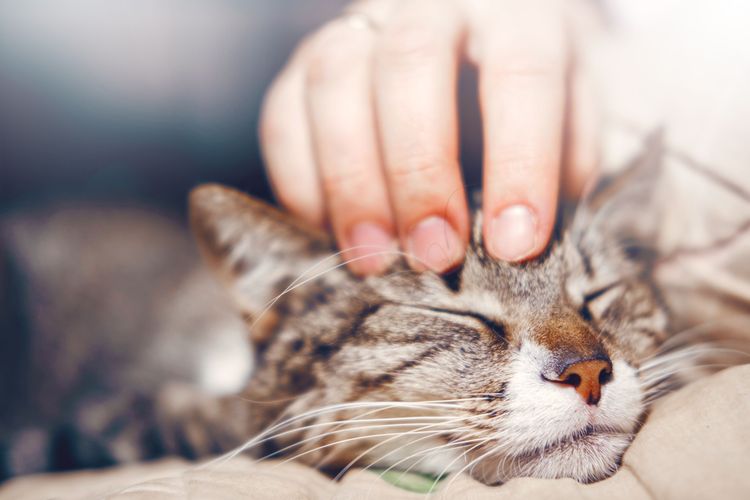
Your cat's purr isn't just a sign of contentment - it's actually a sophisticated healing device operating at the exact frequency that promotes bone repair in humans.
Cats purr at 20-50 Hz, which happens to be the precise vibration range that stimulates bone growth, reduces pain, and accelerates healing in medical patients. This isn't coincidence - it's millions of years of evolution creating a natural healing mechanism.
Medical researchers have discovered that people who own cats recover from bone fractures 40% faster than non-cat owners. The constant exposure to healing vibrations from purring literally speeds upthebone repair process at a cellular level.
Hospitals are now using this discovery to develop vibration therapy treatments at the same frequencies as cat purrs. These machines can treat osteoporosis, speed fracture healing, and reduce chronic pain by mimicking the therapeutic effectsof a purring cat.
What makes this even more remarkable is that cats may have evolved purringspecifically for self-healing. Cats sleep 16+ hours per day, making them vulnerable to bone weakness, but their constant purring while resting maintains bone density and repairs micro-fractures.
The vibrations don't just heal bones - they also lower blood pressure, reduce inflammation, and release endorphins in both cats and humans. Your cat is essentially providing free medical therapy every time it sits on your lap and purrs.
Different types of purrs have different healing properties. The deep, slow purr cats make when they're deeply relaxed produces the strongest bone-healing frequencies, while higher-pitched purrs are better for pain relief.
Veterinarians have observed that cats with access to other purring catsheal fromsurgeries and injuries significantly faster than isolated cats. They're literally healing each other through sound therapy.
That soothing sound your cat makes isn't just communication - it's a biological healing systemthatbenefits everyone within hearing range.