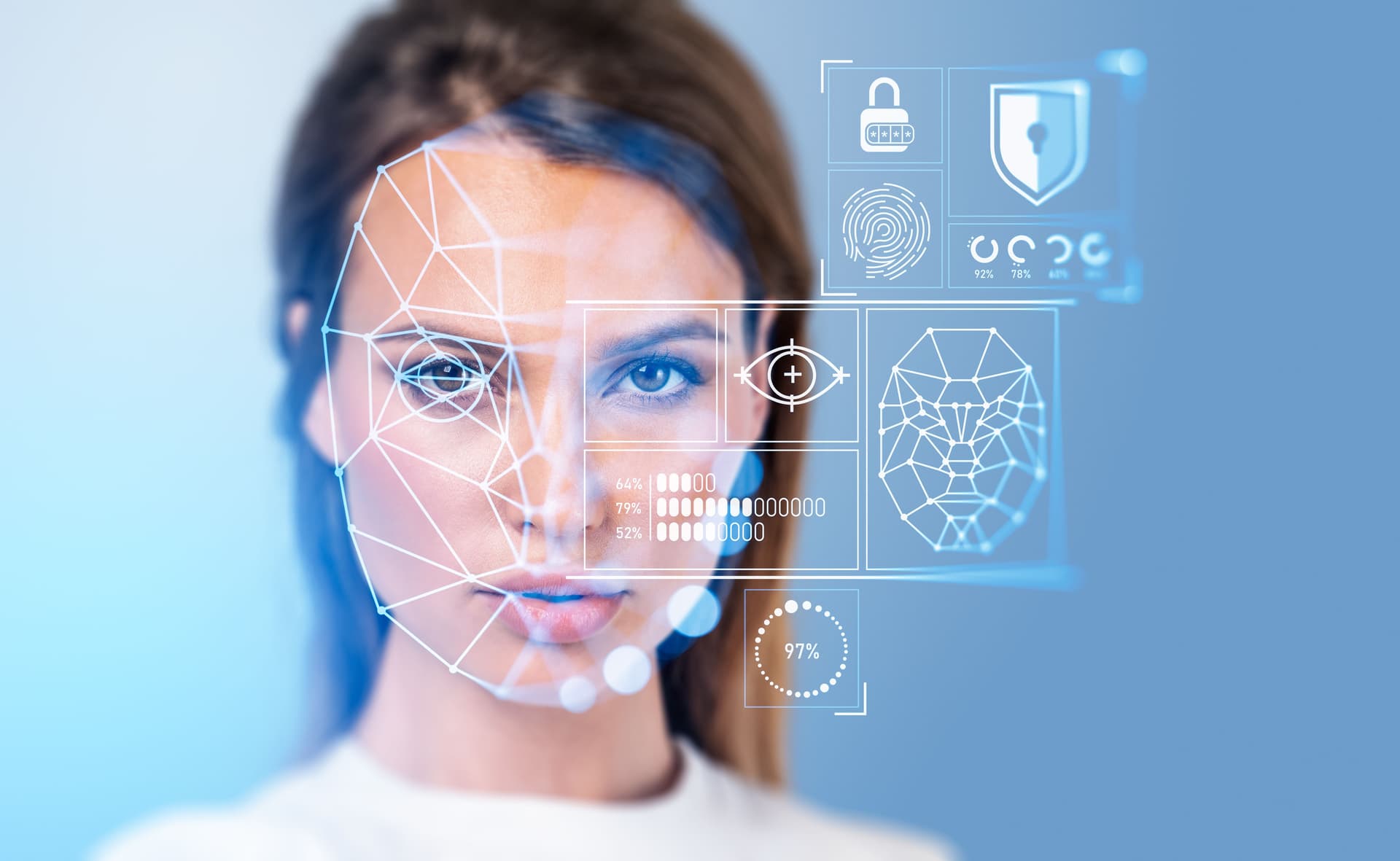
You probably know that fingerprints are unique. You might know that iris patterns are too. But there's another biometric identifier that's just as unique — one you carry with you everywhere, leave behind on every surface you touch, and can't disguise with surgery, gloves, or a disguise. Your body odor is as personally distinctive as your fingerprint. And the U.S. military has been quietly funding research to build machines that can read it.
Your body produces a complex chemical signature — a mix of volatile organic compounds influenced by your genetics, immune system, diet, hormones, stress levels, and age. The genes that regulate your immune system are directly linked to the specific smell your body emits. No two people produce exactly the same combination. And unlike most biometrics, researchers have found that the underlying pattern of your odor remains consistent even when masked by deodorant, cologne, or perfume.
The idea isn't new — it just hasn't been widely discussed. Police forces have used bloodhound dogs to track individuals by scent for over a century. The dog's nose was the first body-odor biometric sensor. What's changed is the push to replace the dog with a machine — one that can work at scale, without needing a trained animal and a handler.
DARPA — the Defense Advanced Research Projects Agency, the Pentagon's tech research arm — called for millions in funding to determine exactly how distinct human odor signatures are and whether a reliable detection sensor could be developed. The potential military applications are significant: identifying specific individuals in crowds, tracking personnel through environments, or detecting intruders without any visual contact. An odor-based biometric would be particularly hard to fool precisely because it's rooted in genetics — you can't consciously change it.
Research by a biometrics team at the Universidad Politécnica de Madrid found that electronic sensors can identify individuals by smell with over 85% accuracy — across multiple sessions, accounting for variables like diet, mood, and stress. The researchers worked with defense firm Ilia Sistemas to develop sensors capable of detecting the volatile elements in skin odor, and proposed that the technology could eventually be deployed at border checkpoints as a "less intrusive" form of biometric screening.
There are also implications beyond identification. Researchers have found that body odor can signal emotional states — that fear, anger, happiness, and stress each produce detectable chemical changes in what a person emits. The prospect of machines that can not only identify you by smell but infer your emotional or psychological state has predictable implications for both security applications and civil liberties concerns.
The technology is still developing — current sensors haven't reached the precision of a trained dog's nose, and accuracy drops in crowded environments with competing scents. But the trajectory is clear. The same path fingerprints traveled — from crime scene novelty to global surveillance infrastructure — is the path odor biometrics is now on.
You've spent years protecting your passwords, your photos, your location. Your body has been broadcasting a unique identifier the whole time — and the race to read it is well underway.