Fun Facts

Trending Now

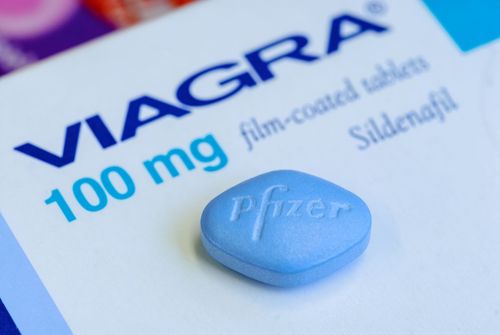
Viagra Facts: A Heart Drug, Blue Vision and Hamsters

Viagra Facts: A Heart Drug, Blue Vision and Hamsters

Why Viagra began as a heart drug, how it can tint your vision blue and why the FAA cares, and the hamster jet lag study that won an Ig Nobel Prize.

Read more
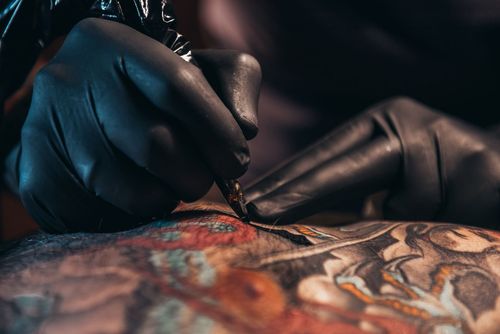
Tattoos: The Iceman, Ink in Your Nodes (+1 More)

Tattoos: The Iceman, Ink in Your Nodes (+1 More)

Ötzi's 5,300-year-old tattoos, where your tattoo ink really travels in your body, and the company that frames a dead loved one's actual tattooed skin.

Read more
The Taboo Word That Broke Through Ad Breaks

The Taboo Word That Broke Through Ad Breaks

One of these claims about a taboo word in a 1980s TV commercial is true, and one is completely made up. Can you guess which one really happened?

Read more
Why a Marathon Is Exactly 26.2 Miles Long

Why a Marathon Is Exactly 26.2 Miles Long

The odd number behind every marathon traces back to one summer day in London. Here's how it happened.

Read more
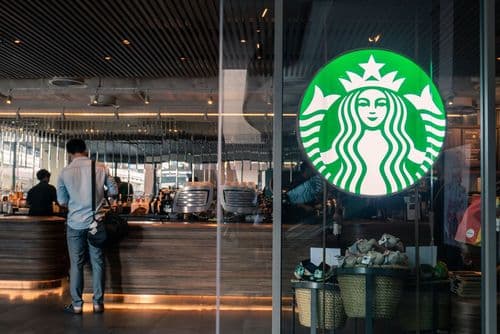
Starbucks Secrets: Pequod, the CIA and Fecal Ice

Starbucks Secrets: Pequod, the CIA and Fecal Ice

The Moby-Dick name Starbucks almost used, the secret store inside CIA headquarters and the 2017 UK investigation that found fecal bacteria in coffee shop ice.

Read more
See All Content
logo
  • Sports

  • History

  • Language

  • Food

  • Tech

  • Animals

  • Sports
  • History
  • Language
  • Food
  • Tech
  • Animals
  • ​

Why You Always Choose the Second Stall in Public Bathrooms

Human behavior in public bathrooms follows shockingly predictable patterns, and psychologists have mapped exactly which stalls people choose with mathematical precision. In a row of bathroom stalls, over 60% of people consistently choose the second stall from either end, making them the dirtiest and most bacteria-laden options available.

The phenomenon is called "middle stall avoidance" and it's rooted in evolutionary psychology. Humans instinctively avoid the center of any space when seeking privacy, preferring positions near exits for quick escape. But we also avoid the very first stall because it feels too exposed - like standing at the front of a classroom. The second stall represents a psychological compromise between privacy and security.

Researchers have conducted actual studies by monitoring bathroom usage patterns with motion sensors. The data reveals that the first stall (closest to the door) is used only 15% of the time, despite being the cleanest because most people skip it entirely. The middle stalls get hammered with 60-70% usage, while the final stall sees moderate traffic at 25%.

The bacterial counts confirm our worst fears. The second stall consistently shows the highest levels of harmful bacteria, including E. coli and staphylococcus, because it receives the most use but the same level of cleaning as other stalls. People are literally choosing the most contaminated option due to psychological predictability.

Cultural differences reveal how deep this psychology runs. In Japan, where social conformity is extremely high, over 80% of people choose the exact same middle stalls, creating even more dramatic bacterial concentration. In individualistic cultures like America, the distribution is slightly more spread out but still heavily favors the second-from-end positions.

Privacy researchers have identified the specific psychological triggers.Humans subconsciously count stalls from both ends and choose positions that maximize their distance from other occupants while maintaining quick exit access. This behavior is so predictable that architects now design bathrooms with specific stall layouts to manipulate traffic patterns.

The same psychology applies to other privacy choices. Movie theater seats, library study carrels, parking spaces, and even urinals follow identical patterns. People consistently choose the second position from either end when seeking private space - which makes these the worst actual choices for privacy.

Airport bathroom studies revealed the most extreme example. During peak travel times, the second stalls in airport bathrooms can be used up to 15 times more frequently than the first stalls, creating sanitation nightmares that travelers unknowingly walk into based on pure psychological predictability.

What makes this particularly maddening is that knowing the pattern doesn't stop it. Even people aware of stall psychology continue choosing second-position stalls due to deep-seated psychological comfort. Our brains override logic with primitive spatial anxiety, making us predictably choose the worst possible option.

Smart bathroom users have learned to exploit this psychology.The first stall (nearest the door) is statistically the cleanest, least used, and most private - but our evolutionary programming makes it feel wrong, so most people avoid their best choice entirely.
Related Content

History Facts

Fun Facts

10 November 2026

Post

Viagra Facts: A Heart Drug, Blue Vision and Hamsters

Why Viagra began as a heart drug, how it can tint your vision blue and why the FAA cares, and the hamster jet lag study that won an Ig Nobel Prize....

History Facts

Fun Facts

08 November 2026

Post

Tattoos: The Iceman, Ink in Your Nodes (+1 More)

Ötzi's 5,300-year-old tattoos, where your tattoo ink really travels in your body, and the company that frames a dead loved one's actual tattooed skin....

History Facts

Fun Facts

07 November 2026

Post

The Taboo Word That Broke Through Ad Breaks

One of these claims about a taboo word in a 1980s TV commercial is true, and one is completely made up. Can you guess which one really happened?...

Sports Facts

Fun Facts

07 November 2026

Post

Why a Marathon Is Exactly 26.2 Miles Long

The odd number behind every marathon traces back to one summer day in London. Here's how it happened....

History Facts

Fun Facts

07 November 2026

Post

Starbucks Secrets: Pequod, the CIA and Fecal Ice

The Moby-Dick name Starbucks almost used, the secret store inside CIA headquarters and the 2017 UK investigation that found fecal bacteria in coffee shop ice....

History Facts

Fun Facts

06 November 2026

Post

Lobotomies: 3 True Stories That Sound Made Up

How lobotomies won a Nobel Prize, why a 12-year-old was operated on for being a kid, and the secret Kennedy family surgery that was hidden for decades....

Food

Fun Facts

06 November 2026

Post

The Curious Case of How Spam Got Its Name

One of these claims about how Spam got its name is true, and one is completely made up. Can you guess which one really happened?...

Language Facts

Fun Facts

06 November 2026

Post

A Frustrated Author, a Word List, and a Hat

A famous children's book began as a publisher's headache. The author hated the assignment....

Food

Fun Facts

05 November 2026

Post

The Sweet Secret Behind a Sitcom Kitchen Table

One of these claims about a famous sitcom's kitchen-table dessert is true, and one isn't. Can you guess which behind-the-scenes story really happened?...

History Facts

Fun Facts

05 November 2026

Post

The Lottery Was Rigged: 3 Wild True Stories

A fortune cookie that picked 110 winners, a live TV drawing rigged to hit 666 and the security director who rigged jackpots: three true lottery scandals....

Sports Facts

Fun Facts

05 November 2026

Post

The Olympic Continent That Waited 130 Years

The world's biggest sporting event skipped an entire continent for over a century. Why so long?...

Humor

Fun Facts

Quotes

04 November 2026

Post

Martha Stewart's Shocking Halloween Costume Apology…

The backlash was immediate. One person on X called Stewart "tone deaf and totally out of touch"....

History Facts

Fun Facts

04 November 2026

Post

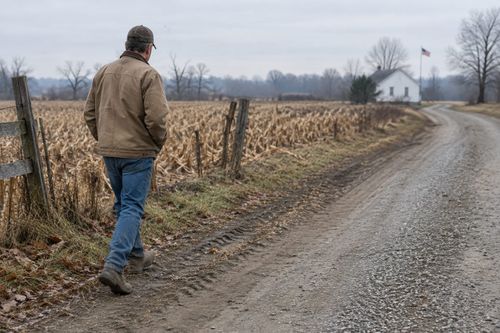
The Election Day That Was Chosen for Farmers

Why does America vote on a Tuesday in November? The answer is rooted in horses, harvests, and church....

Animal Facts

Fun Facts

04 November 2026

Post

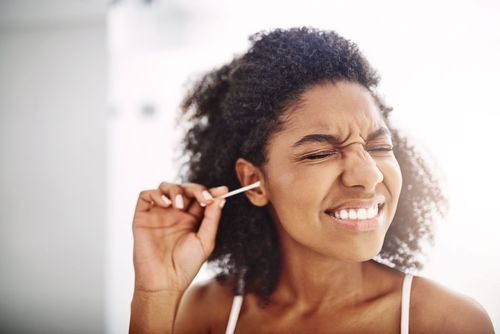
Can Earwax Detect Cancer? (And 2 More Things in Your Ears)

Scientists are testing earwax as a way to spot cancer. Plus why cleaning your ears can make you cough and the cotton swab warning almost everyone ignores....

History

Fun Facts

Quotes

04 November 2026

Post

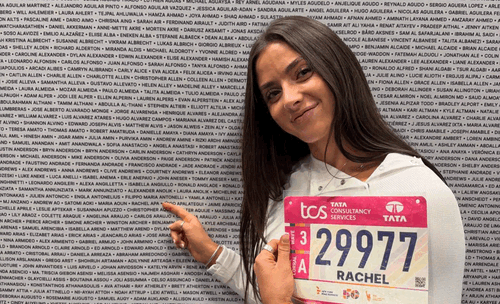
24-Year-Old Runner Dies After Collapsing During NYC Marathon

Rachel Apa, 24, collapsed near Mile 24 of the NYC Marathon and later died. Here's what we know about what happened and who she was....
Terms and ConditionsDo Not Sell or Share My Personal InformationPrivacy PolicyPrivacy NoticeAccessibility NoticeUnsubscribe
Copyright © 2026 Fun Fact Feed