In our hyper-scheduled world, it’s hard to imagine a place where clocks don’t rule people’s lives—where meetings don’t start “on the hour” and no one rushes through lunch because their break is ending. But such a place exists.
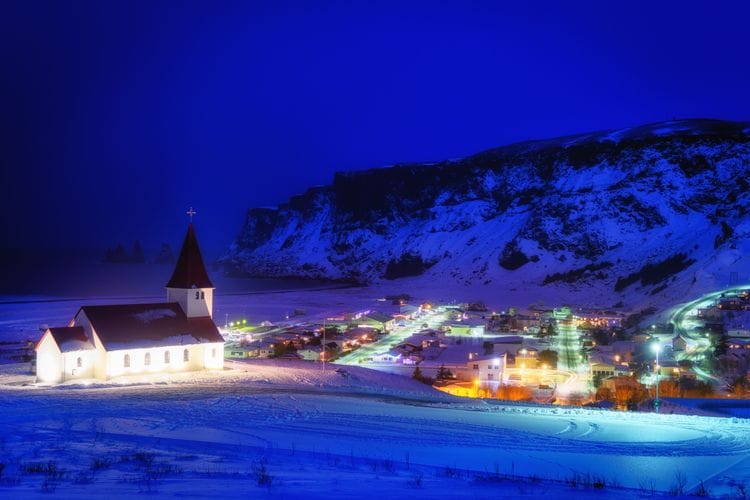
Welcome to Árneshreppur, a remote village in Iceland so isolated that it’s essentially disconnected from the concept of time as most of us know it. Here, life doesn’t revolve around a clock—it revolves around nature. The town experiences extreme daylight cycles—months of nearly 24-hour sunlight in the summer, and nearly complete darkness in the winter. Instead of fighting these conditions, the residents simply adapted.
There’s no rush-hour, no school bell, no “clocking in.” Instead, locals eat when they’re hungry, sleep when they’re tired, and gather when it feels right—not when a schedule dictates it. Shops and services operate fluidly. Days unfold organically. There are no digital signs flashing deadlines—only the sun, moon, and shared intuition.
And what’s truly shocking? It actually works!
Despite what modern life might suggest, productivity hasn’t collapsed. In fact, people report less stress, fewer sleep problems, and a stronger sense of community. Without strict schedules, residents build their days around how they feel—not how their calendars look.
Researchers are now studying places like Árneshreppur to understand the effects of"time detachment"—and early findings suggest that many of the pressures we associate with burnout, insomnia, and anxiety may be tied to our rigid timekeeping systems.
In Árneshreppur, time is felt—not measured. It's a reminder that while most of the world is sprinting from task to task, a slower, more instinctive way of living still exists—and would be better for us.