Fun Facts

Recent Content

The History of the New Year's Baby vs Old Man Time

The History of the New Year's Baby vs Old Man Time

The New Year's Baby and Old Man Time mascots symbolize the year changing. Both were invented by political cartoonists in the 1800s to sell newspapers.

Read more
Why 80% of New Year's Resolutions Fail by February

Why 80% of New Year's Resolutions Fail by February

80% of New Year's resolutions fail by February. Brain science explains why we're biologically terrible at keeping them—and why January 1st makes it worse.

Read more
The First Ball Drop Almost Killed People

The First Ball Drop Almost Killed People

The 1907 Times Square ball was 700 pounds of iron and wood. It nearly fell during the first drop, almost killing the crowd below.

Read more
How January 1st Became New Year's Day

How January 1st Became New Year's Day

Julius Caesar picked January 1st as New Year's Day in 46 BC. Before that, the new year was March 1st—which is why our month names don't make sense.

Read more
Why Boxing Day Is Called Boxing Day

Why Boxing Day Is Called Boxing Day

Boxing Day started as the one day British servants got off after working Christmas. They received boxes of leftovers and tips from their employers.

Read more
See All Content
logo
  • Sports

  • History

  • Language

  • Food

  • Tech

  • Animals

  • Sports

  • History

  • Language

  • Food

  • Tech

  • Animals

  • ​
    ​

The Secret World of Bioluminescent Mushrooms

The Secret World of Bioluminescent Mushrooms

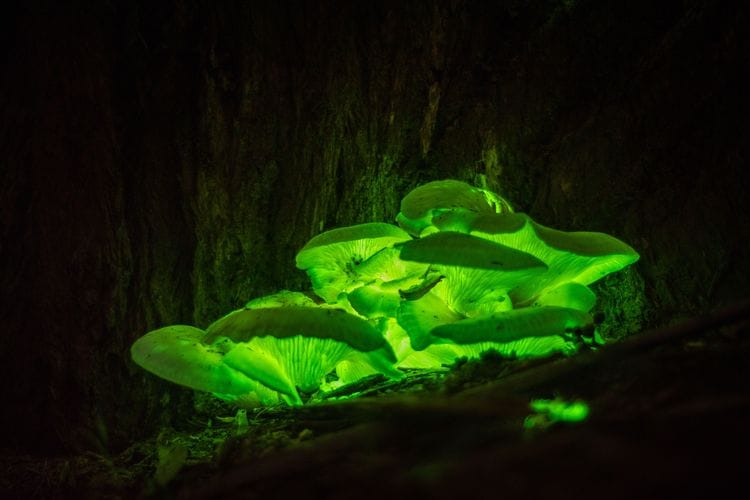
Deep in the world’s forests, certain mushrooms possess a magical glow. This phenomenon, known as bioluminescence, is caused by a chemical reaction between a pigment called luciferin and an enzyme known as luciferase, all fueled by oxygen. The result? A soft, greenish light that emanates from the mushroom’s gills or cap.

Over 80 species of fungi are known to glow, including the ghost fungus and jack-o'-lantern mushroom. While the full purpose of this glow isn’t entirely understood, scientists believe it may help attract insects to spread spores, or perhaps deter predators in the dark.

What’s especially fascinating is that ancient people noticed this glow long before science caught up. Pliny the Elder even described “glowing wood” in his writings, likely referring to logs lit up by bioluminescent fungi. Today, researchers are exploring ways to harness this natural glow for sustainable lighting in the future.


Related Content

Terms and ConditionsDo Not Sell or Share My Personal InformationPrivacy PolicyPrivacy NoticeAccessibility NoticeUnsubscribe
Copyright © 2026 Fun Fact Feed