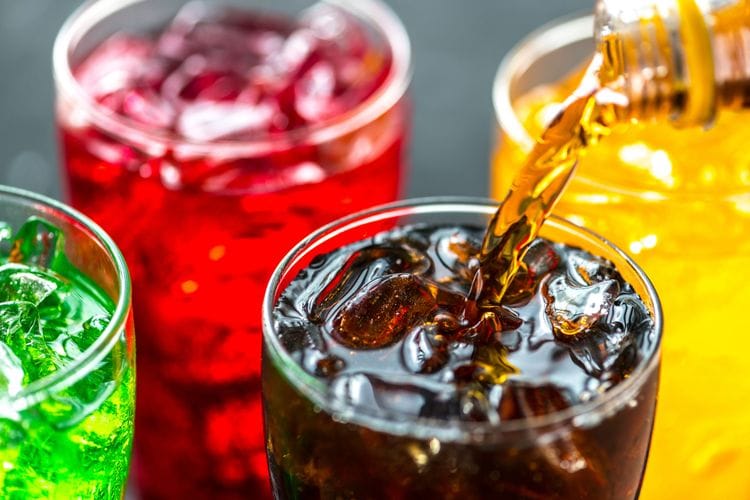
Every major soda brand contains caffeine, even the ones that claim to be "caffeine-free," because the FDA allows companies to hide trace amounts of naturally occurring caffeine without listing it on ingredient labels. Sprite, 7UP, and other "clear" sodas all contain small amounts of caffeine from citric acid processing and natural flavoring extracts.
The soda industry has lobbied for decades to keep caffeine disclosure rules as loose as possible. Companies only have to list caffeine as an ingredient if they deliberately add it, but they can include unlimited amounts of "naturally occurring" caffeine from flavor extracts, citrus oils, and processing agents without any disclosure requirements.
What's really disturbing is how soda companies coordinate their caffeine levels to create optimal addiction patterns.Internal industry documents show that companies deliberately adjust caffeine content to create physical dependence without triggering health warnings. The goal is to make customers crave their products daily without realizing they're experiencing withdrawal symptoms.
Even "diet" and "zero-calorie" sodas contain higher caffeine levels than regular versions because artificial sweeteners require more caffeine to mask their bitter aftertaste. Companies discovered that customers who switch to diet sodas actually increase their overall consumption because the higher caffeine content creates stronger cravings.
The FDA's caffeine regulations were written in the 1950s and haven't been updated despite massive changes in food processing technology.Modern flavor extraction methods can concentrate caffeine levels far beyond what early regulators imagined, creating products that are essentially unregulated stimulant delivery systems.
Every soda you drink contains more caffeine than companies admit, making your favorite soft drink a carefully engineered addiction machine designed to keep you coming back for more.