Fun Facts

Recent Content

How November and December Are the Most Dangerous Months

How November and December Are the Most Dangerous Months

Holiday decorating sends over 15,000 people to the ER annually, and spoiled Christmas leftovers cause 400,000+ illnesses.

Read more
The Paranoid History Behind Clinking Glasses During Toasts

The Paranoid History Behind Clinking Glasses During Toasts

Clinking glasses before drinking started as a medieval poison detection method. Now it's mandatory etiquette that nobody questions.

Read more
Why We Eat Ham for Christmas Dinner

Why We Eat Ham for Christmas Dinner

Christmas ham started as a pagan winter solstice sacrifice that Christians tried to ban but couldn't.

Read more
Why We Threaten Bad Kids with Coal for Christmas

Why We Threaten Bad Kids with Coal for Christmas

The threat of coal in your stocking started as Italian families giving actual heating fuel as gifts. Somehow it morphed into the ultimate Christmas punishment.

Read more
Why Do Department Store Santas Exist?

Why Do Department Store Santas Exist?

One department store's 1890 marketing stunt created the tradition of sitting on Santa's lap. Now it's a billion-dollar industry that defines Christmas.

Read more
See All Content
logo
  • Sports

  • History

  • Language

  • Food

  • Tech

  • Animals

  • Sports

  • History

  • Language

  • Food

  • Tech

  • Animals

  • ​
    ​

The Secret Barcode Data That's Spying on Your Shopping

The Secret Barcode Data That's Spying on Your Shopping

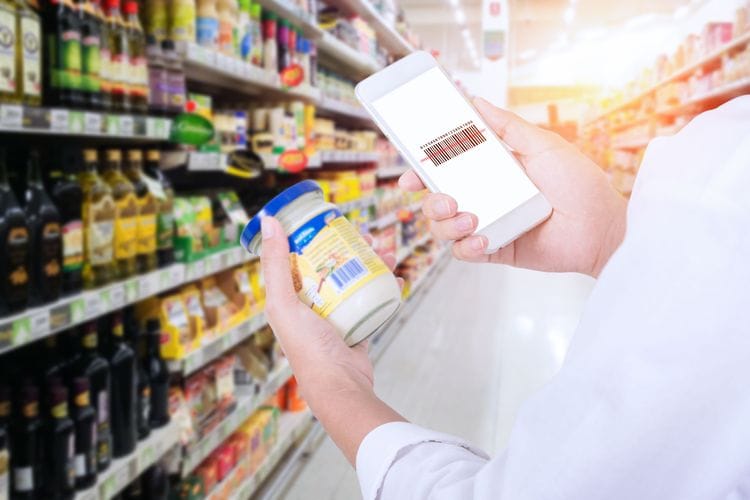
Every barcode contains hidden information that has nothing to do with the product price. Those black and white lines encode when you shop, where you shop, what you buy together, and even predict what you'll purchase next.

The first three digits of every barcode identify the country of origin, but digits 4-9 contain encrypted data about manufacturing dates, batch numbers, and distribution chains that retailers use to track individual customer behavior patterns.

Here's what's really shocking: when you scan items with store apps, the barcode data is cross-referenced with your location, the time of day, and your purchase history to create predictive shopping profiles. Stores know you're going to buy milk before you realize you're running low.

The most disturbing part? Barcodes can identify if products were purchased during emotional states (late-night shopping), during specific weather patterns, or alongside "guilt purchases" like alcohol or junk food. This data is sold to insurance companies and employers for health risk assessments.

Those innocent black lines aren't just organizing inventory—they're organizing everything about your life.


Related Content

Terms and ConditionsDo Not Sell or Share My Personal InformationPrivacy PolicyPrivacy NoticeAccessibility NoticeUnsubscribe
Copyright © 2025 Fun Fact Feed