Fun Facts

Recent Content

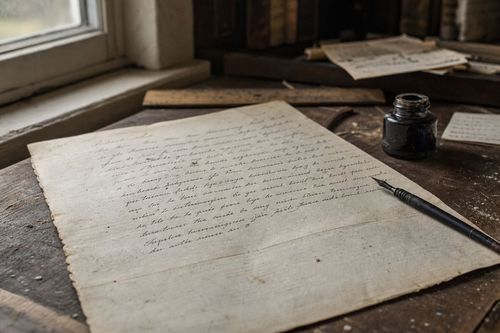
Why Boxing Day Is Called Boxing Day

Why Boxing Day Is Called Boxing Day

Boxing Day started as the one day British servants got off after working Christmas. They received boxes of leftovers and tips from their employers.

Read more
Christmas Trees Started as Pagan Worship of Odin

Christmas Trees Started as Pagan Worship of Odin

Decorating evergreen trees at winter originated with Germanic tribes honoring Odin.

Read more
Santa Claus Did Not Always Wear Red

Santa Claus Did Not Always Wear Red

Before Coca-Cola's marketing campaign, Santa was depicted in blue, green, and purple across different cultures.

Read more
How November and December Are the Most Dangerous Months

How November and December Are the Most Dangerous Months

Holiday decorating sends over 15,000 people to the ER annually, and spoiled Christmas leftovers cause 400,000+ illnesses.

Read more
The Paranoid History Behind Clinking Glasses During Toasts

The Paranoid History Behind Clinking Glasses During Toasts

Clinking glasses before drinking started as a medieval poison detection method. Now it's mandatory etiquette that nobody questions.

Read more
See All Content
logo
  • Sports

  • History

  • Language

  • Food

  • Tech

  • Animals

  • Sports

  • History

  • Language

  • Food

  • Tech

  • Animals

  • ​
    ​

The Million-Dollar Mistake That Created the Internet's Most Addictive Sound

The Million-Dollar Mistake That Created the Internet's Most Addictive Sound

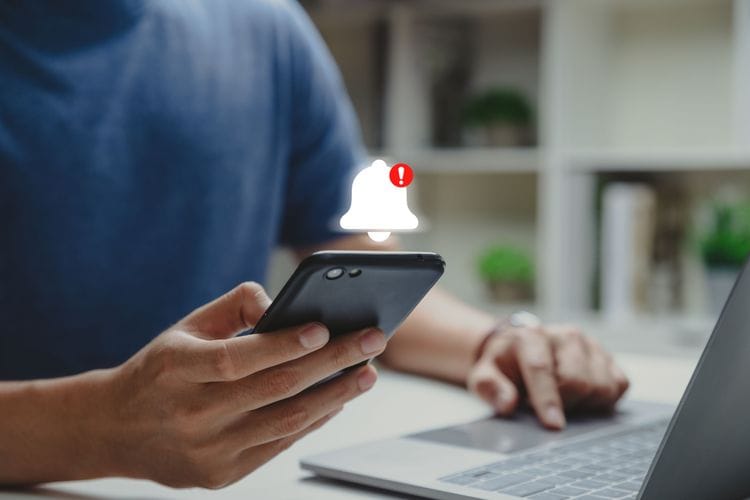
The iconic "ding" notification sound that billions of people hear daily was never supposed to exist.

In 1987, sound engineer Jim Reekes was working on system sounds for early Apple computers when he accidentally layered two different audio files. The result was a brief, pleasant chime that he almost deleted immediately.

Reekes kept the sound as a placeholder, planning to create something "more professional" later. But when Steve Jobs heard it during a demonstration, he insisted it stay. That accidental sound became the foundation for every notification sound that followed.

The psychological impact is staggering: studies show that this type of brief, ascending tone triggers dopamine release more effectively than almost any other sound pattern.

It's why every app, every device, every platform uses variations of Reekes' accident.

Today, variations of that original "mistake" are heard over 12 billion times per day across all digital devices. The sound that was supposed to be deleted has become humanity's most frequently heard audio experience, shaping how we interact with technology forever. 
Related Content

Terms and ConditionsDo Not Sell or Share My Personal InformationPrivacy PolicyPrivacy NoticeAccessibility NoticeUnsubscribe
Copyright © 2025 Fun Fact Feed