
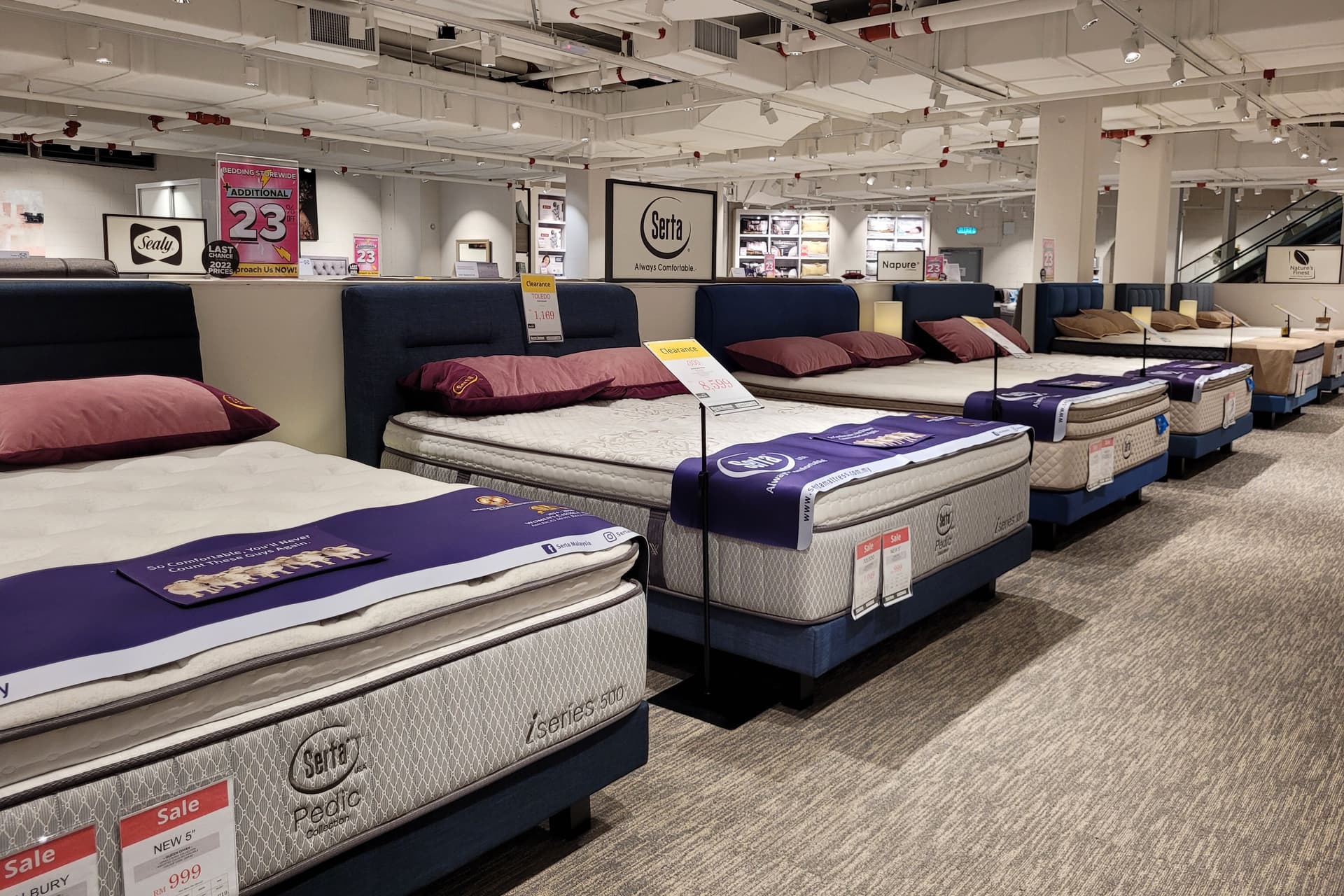
You walk into a mattress store, find one you like, note the name, and drive to the next store to see if it's cheaper. It isn't there. There's something similar — same brand, vaguely similar description — but a different name, a different price, and no obvious way to tell if it's the same mattress. You try a third store. Same problem. This isn't a coincidence. It's the system working exactly as intended.
Mattress manufacturers deliberately give the same — or near-identical — products different names at different retailers. The cover fabric might change color. The model name will be completely different. But the coils, the foam layers, the construction underneath? Identical. The explicit purpose, as industry insiders have openly acknowledged, is to make comparison shopping impossible. If you can't find the same product anywhere else, you can't find a better price anywhere else.
The pricing strategy built on top of this is equally deliberate. Most mattress retailers mark up their products 200 to 400% above cost — then run perpetual "sales" that bring them back down to what should have been the normal price all along. The mattress "originally priced at $3,000, now $1,499" almost certainly was never going to sell at $3,000. That number exists specifically to make $1,499 feel like a victory. Consumer Reports has noted that they receive more complaints and inquiries about mattress pricing than almost any other product category — and that even their own researchers struggle to compare models because the name game makes it so difficult.
The industry is built around a single powerful fact: most people buy a new mattress once every eight to ten years. That infrequency makes consumers uniquely vulnerable. You don't develop the pattern recognition that protects you in categories you shop regularly. You walk in essentially blind, which is exactly the condition the industry depends on. The model names are deliberately complex and forgettable — names like "Sealy Posturepedic Lazy Hollow Luxury Plush Super Box Top" — ensuring that even if you try to write one down and look it up later, you'll find it listed nowhere else under that name.
The sales tactics compound the confusion. Most mattress stores operate with commission-based salespeople whose incentive is to move you toward the highest-margin product as quickly as possible. "Today only" and "holiday blowout" urgency is manufactured — the same sale will be running next weekend, and the weekend after that. The pressure is designed to stop you from doing the research that would reveal how the pricing actually works.
What can actually protect you? Industry experts recommend ignoring model names entirely and instead focusing on the physical components: coil count, coil gauge, foam density, and what materials sit between you and the springs. These specifications are harder to rename and easier to compare across stores. A mattress with identical internal specs should cost roughly the same regardless of what name is printed on the tag — and if it doesn't, you now know why.
The mattress you're sleeping on right now probably cost more than it should have. Not because you made a bad decision — but because the system you were shopping in was specifically engineered to prevent you from making a good one.