Fun Facts

Trending Now

Viagra Facts: A Heart Drug, Blue Vision and Hamsters

Viagra Facts: A Heart Drug, Blue Vision and Hamsters

Why Viagra began as a heart drug, how it can tint your vision blue and why the FAA cares, and the hamster jet lag study that won an Ig Nobel Prize.

Read more
Cannibalism: 3 True Stories You Won't Believe

Cannibalism: 3 True Stories You Won't Believe

Which state bans cannibalism, why the CDC warned about placenta pills, and how a tribe's funeral ritual may have left a gene that fights brain disease.

Read more
The Laughing Sickness That Shut Down Schools

The Laughing Sickness That Shut Down Schools

In 1962, three schoolgirls started laughing and a whole region couldn't stop. Nobody was joking.

Read more
The Surprising Origin of the Movie Trailer

The Surprising Origin of the Movie Trailer

One of these claims about the first movie trailer is true, and one is completely made up. Can you guess which one really happened?

Read more
Your Latte Art Is Named After a Monk's Hood

Your Latte Art Is Named After a Monk's Hood

A Sunday coffee order shares its name with a monk's wardrobe and a monkey. Here's the link.

Read more
See All Content
logo
  • Sports

  • History

  • Language

  • Food

  • Tech

  • Animals

  • Sports
  • History
  • Language
  • Food
  • Tech
  • Animals
  • ​

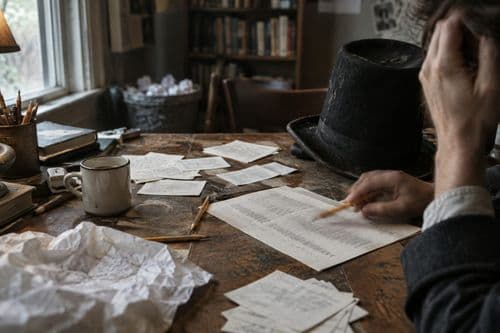
The Hidden Messages on Your Grocery Store Receipt

That crumpled receipt at the bottom of your grocery bag contains a secret language most shoppers never decode. Those seemingly random letters, symbols, and codes? They're revealing exactly how stores track your purchases, manipulate prices, and potentially overcharge you—if you know how to read them.

Every receipt contains hidden codes that expose the store's pricing tricks. The letter "F" next to an item means it's a food item that's tax-exempt in most states. "T" or "X" means the item is taxable. But here's where it gets interesting: if you see an "F" item being charged tax, you're being overcharged, and most people never notice.

The asterisks (*) and other symbols reveal sale items and coupon applications. But stores bury the most important information in abbreviations most customers can't interpret. "FS" might mean "food stamp eligible." "B" could indicate a bottle deposit. "R" often signals a returned item credit.

Grocery chains use a system called "price look-up" (PLU) codes—those 4 or 5-digit numbers on produce stickers. But what most shoppers don't know is that these codes reveal whether produce is organic, conventionally grown, or genetically modified. A 5-digit code starting with "9" means organic. Starting with "8"? That's GMO. Four digits? Conventionally grown with pesticides.

Here's the manipulation tactic stores don't want you noticing: Watch for items that scan at a different price than the shelf label. In many states, if an item rings up higher than the posted price, you're legally entitled to get it free or at a significant discount. But you have to catch it yourself—and most people don't scrutinize their receipts.

The timestamp on your receipt isn't just recording when you checked out. Stores use this data to track traffic patterns, determine when to schedule staff, and even adjust prices based on how busy the store is. Some chains have implemented "surge pricing" similar to Uber—raising prices during peak shopping hours when they know you're less likely to comparison shop.

Those loyalty card numbers printed at the top? They're connected to a profile that tracks every single purchase you've ever made. Stores sell this data to manufacturers, insurance companies, and data brokers. That seemingly innocent discount card has created a comprehensive file on your eating habits, health concerns, and purchasing patterns.

The seemingly random transaction number at the bottom contains embedded information about which cashier rang you up, which register was used, and sometimes even biometric data if you used a fingerprint or facial recognition payment system.

Return policies often have hidden clauses printed in microscopic text at the bottom of receipts. Stores count on you throwing away the receipt before reading these restrictions. That "90-day return policy" might actually be 30 days for opened items, or store credit only without the original packaging.

Watch for "M" or "Manager" codes on your receipt. This indicates a price override or manual discount was applied—but it's also flagging your transaction for potential review. Some stores track customers who frequently request manager overrides, marking them as potential "discount abusers" in their system.

The most overlooked code? The survey invitation at the bottom. Stores offer these because customer feedback is incredibly valuable—but they also use survey completion data to build more detailed profiles. Your opinions about produce quality might trigger targeted coupons, or flag you as a "premium shopper" who'll pay more for organic options.

Here's what stores really don't want you knowing: In most states, pricing errors must be resolved in the customer's favor. If you catch a scanning error, you're often entitled to keep the item for free plus a penalty payment from the store. But you have to catch it at the register or immediately after—once you leave the store, you've accepted the charges.

The receipt is your legal proof of purchase, but it's also the store's data collection tool. Every code, symbol, and number is feeding into algorithms that predict your behavior, adjust pricing strategies, and maximize profit extraction from your wallet. The question is: are you reading it as carefully as they're analyzing you?
Related Content

History Facts

Fun Facts

10 November 2026

Post

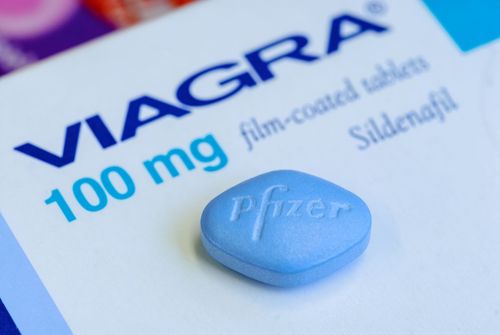
Viagra Facts: A Heart Drug, Blue Vision and Hamsters

Why Viagra began as a heart drug, how it can tint your vision blue and why the FAA cares, and the hamster jet lag study that won an Ig Nobel Prize....

History Facts

Fun Facts

09 November 2026

Post

Cannibalism: 3 True Stories You Won't Believe

Which state bans cannibalism, why the CDC warned about placenta pills, and how a tribe's funeral ritual may have left a gene that fights brain disease....

History Facts

Fun Facts

09 November 2026

Post

The Laughing Sickness That Shut Down Schools

In 1962, three schoolgirls started laughing and a whole region couldn't stop. Nobody was joking....

History Facts

Fun Facts

09 November 2026

Post

The Surprising Origin of the Movie Trailer

One of these claims about the first movie trailer is true, and one is completely made up. Can you guess which one really happened?...

Language Facts

Fun Facts

08 November 2026

Post

Your Latte Art Is Named After a Monk's Hood

A Sunday coffee order shares its name with a monk's wardrobe and a monkey. Here's the link....

Tech Facts

Fun Facts

08 November 2026

Post

How NASA Sends Tools to Astronauts in Orbit

One of these claims about NASA and tools for astronauts is true, and one is completely made up. Can you guess which one really happened?...

History Facts

Fun Facts

08 November 2026

Post

Tattoos: The Iceman, Ink in Your Nodes (+1 More)

Ötzi's 5,300-year-old tattoos, where your tattoo ink really travels in your body, and the company that frames a dead loved one's actual tattooed skin....

History Facts

Fun Facts

07 November 2026

Post

The Taboo Word That Broke Through Ad Breaks

One of these claims about a taboo word in a 1980s TV commercial is true, and one is completely made up. Can you guess which one really happened?...

Sports Facts

Fun Facts

07 November 2026

Post

Why a Marathon Is Exactly 26.2 Miles Long

The odd number behind every marathon traces back to one summer day in London. Here's how it happened....

History Facts

Fun Facts

07 November 2026

Post

Starbucks Secrets: Pequod, the CIA and Fecal Ice

The Moby-Dick name Starbucks almost used, the secret store inside CIA headquarters and the 2017 UK investigation that found fecal bacteria in coffee shop ice....

History Facts

Fun Facts

06 November 2026

Post

Lobotomies: 3 True Stories That Sound Made Up

How lobotomies won a Nobel Prize, why a 12-year-old was operated on for being a kid, and the secret Kennedy family surgery that was hidden for decades....

Food

Fun Facts

06 November 2026

Post

The Curious Case of How Spam Got Its Name

One of these claims about how Spam got its name is true, and one is completely made up. Can you guess which one really happened?...

Language Facts

Fun Facts

06 November 2026

Post

A Frustrated Author, a Word List, and a Hat

A famous children's book began as a publisher's headache. The author hated the assignment....

Food

Fun Facts

05 November 2026

Post

The Sweet Secret Behind a Sitcom Kitchen Table

One of these claims about a famous sitcom's kitchen-table dessert is true, and one isn't. Can you guess which behind-the-scenes story really happened?...

History Facts

Fun Facts

05 November 2026

Post

The Lottery Was Rigged: 3 Wild True Stories

A fortune cookie that picked 110 winners, a live TV drawing rigged to hit 666 and the security director who rigged jackpots: three true lottery scandals....
Terms and ConditionsDo Not Sell or Share My Personal InformationPrivacy PolicyPrivacy NoticeAccessibility NoticeUnsubscribe
Copyright © 2026 Fun Fact Feed