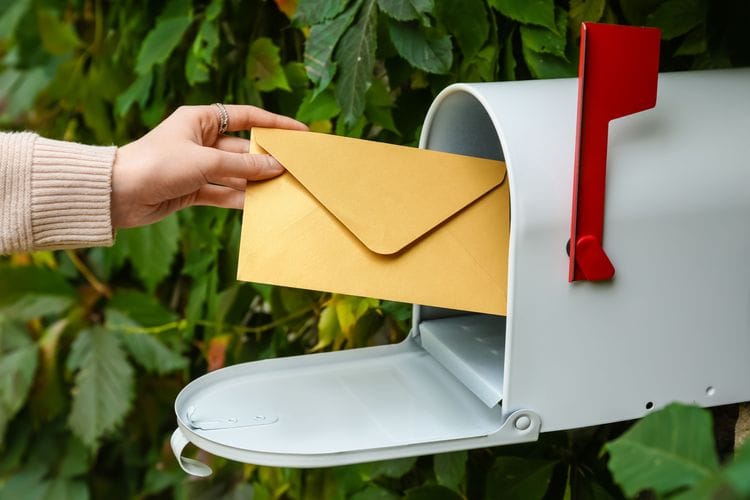
The United States Postal Service photographs the front and back of every piece of mail processed in America through a program called "Mail Covers," creating a permanent database of all correspondence sent to or from your address.This surveillance program processes over 160 billion pieces of mail annually, recording sender and recipient information for every letter, package, and postcard.
The program officially exists to help solve crimes and locate suspects, but government agencies can access your mail records without warrants or probable cause.Federal, state, and local law enforcement can request mail surveillance on any address simply by claiming it's relevant to an ongoing investigation. No judge approval is required, and targets are never notified that their mail is being monitored.
What's particularly concerning is how long this data is stored.Mail photographs and tracking information are kept indefinitely in federal databases, creating a permanent record of everyone you correspond with and every business that sends you mail. This information can be used to map your social networks, shopping habits, and personal relationships decades after the original correspondence.
The technology has expanded far beyond simple photography.Modern mail processing machines can read addresses through envelopes, detect unusual package weights, and flag "suspicious" correspondence patterns.Artificial intelligence algorithms analyze mail flows to identify unusual communication patterns that might indicate criminal activity.
Even more invasive: the program tracks mail forwarding and change-of-address requests, allowing government agencies to monitor your movements and locate you even after you relocate. Moving to a new address doesn't escape the surveillance—it just creates additional data points about your travel patterns.
Every letter in your mailbox represents a permanent government record of your personal and business relationships, stored in databases you can't access or challenge.