You've probably heard it at some point — maybe in school, maybe from a well-meaning friend who'd just returned from Australia. Toilets flush counterclockwise in the Northern Hemisphere and clockwise in the Southern Hemisphere because of the Earth's rotation. It sounds exactly like the kind of thing that ought to be true. It isn't. Not even slightly. And the science behind why reveals something genuinely fascinating about how the planet actually works.
The force at the center of the myth is called the Coriolis effect — and it is absolutely real. The Earth's rotation causes moving objects to curve slightly as they travel across its surface — to the right in the Northern Hemisphere, to the left in the Southern. This is why hurricanes rotate counterclockwise in the north and clockwise in the south. It shapes global wind patterns, ocean currents, and the trajectories of long-range missiles. The Coriolis effect is one of the more powerful forces operating on the planet's surface.
The problem is scale. The Coriolis effect is powerful over hundreds or thousands of miles — and almost completely irrelevant over the few feet of water in a toilet bowl. At that scale, the force is so weak — roughly one ten-millionth the strength of gravity — that it's overwhelmed entirely by far more mundane factors: the shape of the bowl, the angle of the water jets, residual currents from filling, and minor irregularities in the drain.
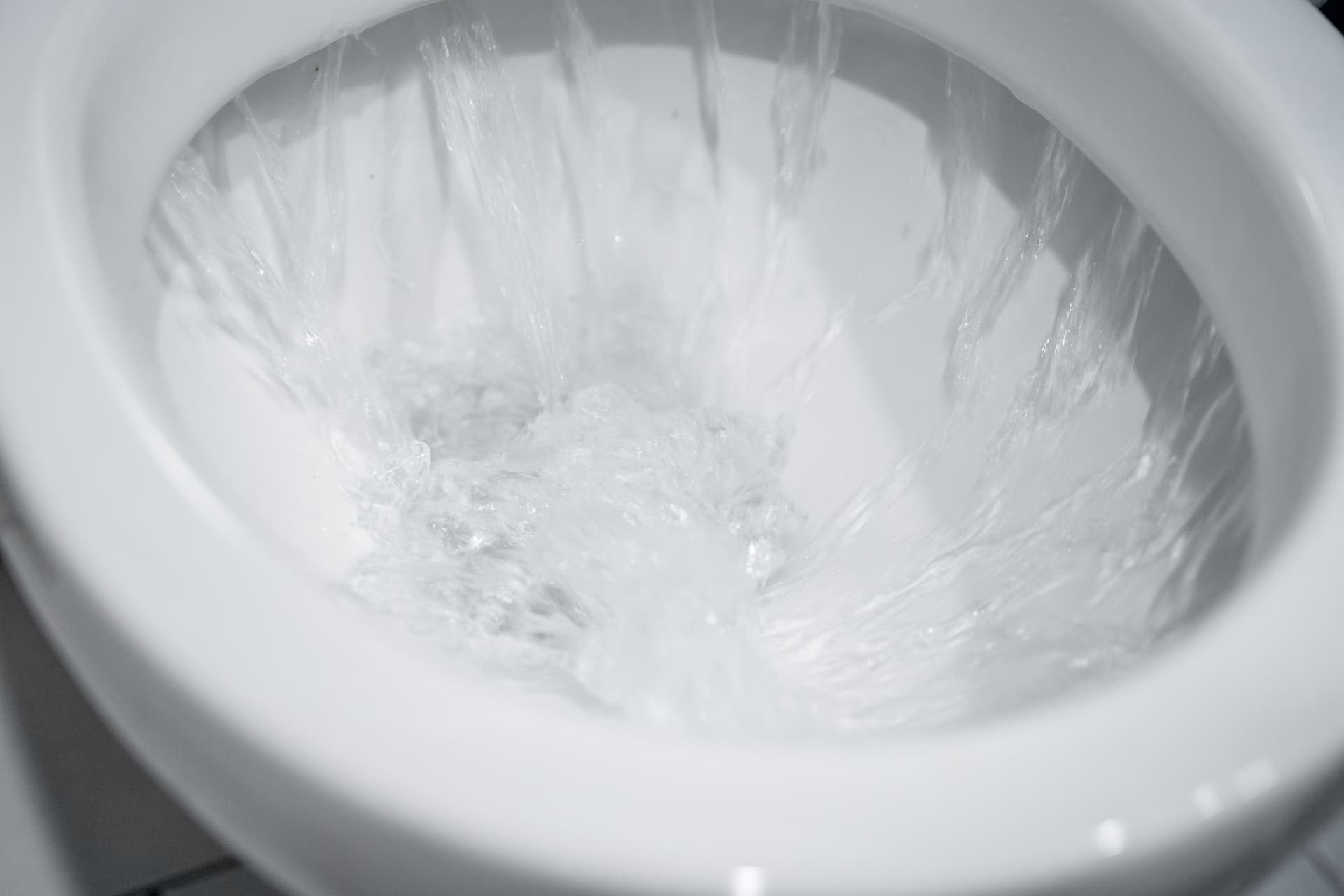
What actually determines which direction your toilet flushes is simpler and more anticlimactic than Earth's rotation. It's the manufacturer. Toilets use angled jets to push water into the bowl in a specific direction — and that direction is the same regardless of which hemisphere the toilet is sold in. You could take a toilet from New York to Sydney and it would flush exactly the same way it always did, because nothing about the Earth's rotation is strong enough to override the jets built into the bowl.
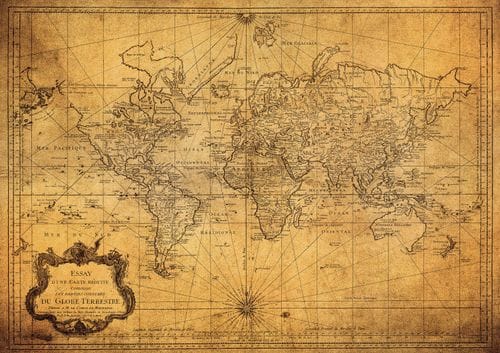
The myth is so persistent that entrepreneurs near the equator have built entire tourist operations around faking it. For a fee, a demonstrator will show you water spiraling in opposite directions on either side of the equator — a few steps apart. The trick involves subtly swirling the water in the desired direction before pulling the plug, then letting tourists draw their own conclusions. It has fooled travelers for decades and has been documented by scientists who investigated specifically because the demonstrations were so convincing.
The myth has also appeared in television shows, travel writing, and — embarrassingly — in some science textbooks. In the 1997 Simpsons episode where the family visits Australia, Homer is baffled to find the toilet flushing "the wrong way." It's a joke that landed because the audience already believed it was true. Which is exactly how good myths work.
To be clear: the Coriolis effect can influence draining water — but only under extraordinarily controlled laboratory conditions. In 1962, MIT physicist Ascher Shapiro demonstrated this by filling a large shallow dish, covering it for 24 hours to let all residual motion settle, and then draining it with extreme care. Under those conditions, the water did drain counterclockwise — as the Coriolis effect predicts for the Northern Hemisphere. The experiment has since been replicated in both hemispheres with matching results. But it required a full day of stillness, a specially designed basin, and meticulous isolation from every other variable.
Your toilet is flushed with a sudden rush of water directed by angled jets, in a bowl full of minor imperfections, surrounded by vibrations, in a room that was probably just walked through. The Coriolis effect is real. It just has absolutely nothing to do with your bathroom. The planet is rotating beneath you right now — it's simply too polite to reorganize your plumbing over it.