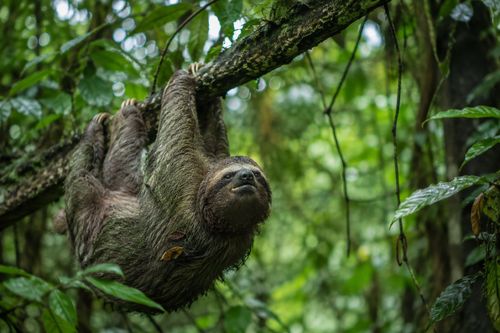
In the forests of southern Madagascar, researchers noticed something strange. Verreaux's sifakas, a species of lemur that spends nearly its entire life in trees, were climbing down and wrapping their arms around tree trunks during the hottest part of the day.
This wasn't affection. Scientists at Yale confirmed the lemurs only did this once temperatures climbed above roughly 86°F, and the base of the trees they hugged was measurably 3 to 5 degrees cooler than the surrounding air.
What makes this genuinely risky is where these lemurs normally stay. Sifakas rarely touch the ground at all, since it puts them directly in reach of predators they can easily avoid up in the canopy. Extreme heat is apparently worth that risk.
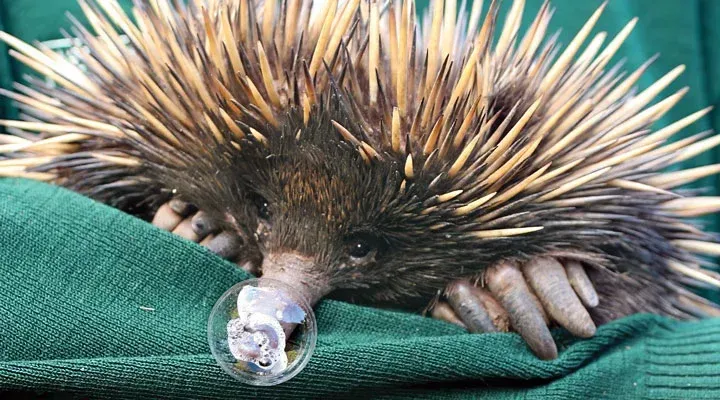
They aren't the only animal with an unusual cooling trick. Echidnas, spiky egg-laying mammals native to Australia, blow bubbles of mucus onto the tip of their snout in extreme heat. As the moisture evaporates, it cools blood vessels concentrated right behind their nose.
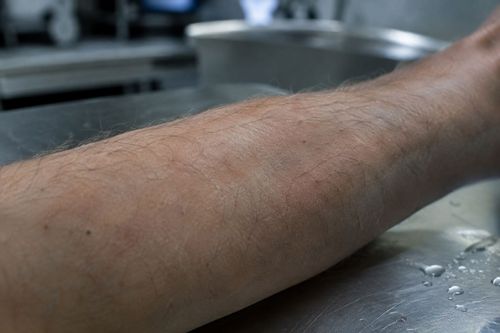
Kangaroos have their own version of the same idea. They lick their own forearms repeatedly during heat waves, since the thin skin there is packed with blood vessels close to the surface. The evaporating saliva cools the blood before it circulates through the rest of the body.
Some birds take a far less glamorous approach. Storks and vultures deliberately defecate down their own legs, using the evaporating liquid to cool blood vessels in the same way, a behavior researchers call urohidrosis.
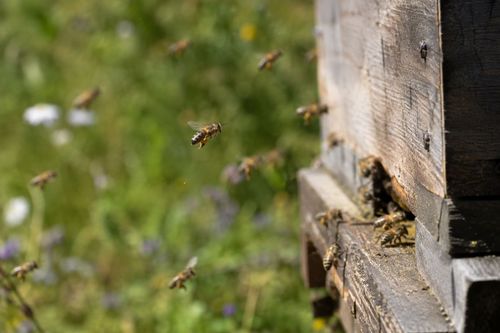
Even honeybee colonies act as a coordinated cooling system. Worker bees collect water, spread it across the honeycomb, and fan their wings to speed up evaporation, keeping the hive's internal temperature stable even when it's scorching outside.
Across every one of these species, the strategy comes down to the same basic trick. None of these animals can simply sweat the heat away like humans can, so evolution built each of them a completely different workaround.