Food Facts

Recent Content

The Secret Formula That Controls Your Financial Life

The Secret Formula That Controls Your Financial Life

A private company's secret algorithm decides if you get a house, a car, or a loan — and almost nobody knows exactly how it works.

Read more
This Country Had No Government for 589 Days — and Nobody Cared

This Country Had No Government for 589 Days — and Nobody Cared

Belgium went 589 days without an elected government — and life barely changed. No chaos, no collapse. Just street parties and free beer.

Read more
How Big Water Made Tap Water the Enemy

How Big Water Made Tap Water the Enemy

The bottled water industry spent billions convincing you tap water is dangerous. The truth about what's actually in that bottle will shock you.

Read more
The Dark and Bloody Origin of the Teddy Bear

The Dark and Bloody Origin of the Teddy Bear

The world's most beloved children's toy was born from a brutal hunting trip, a political cartoon, and a bear that was clubbed unconscious and tied to a tree.

Read more
The Disturbing Truth About How Memory Actually Works

The Disturbing Truth About How Memory Actually Works

Researchers have successfully implanted entirely false memories into real people's minds. The scary part? The subjects were completely convinced they were real.

Read more
See All Content

Nobody Told You the Truth About Ketchup

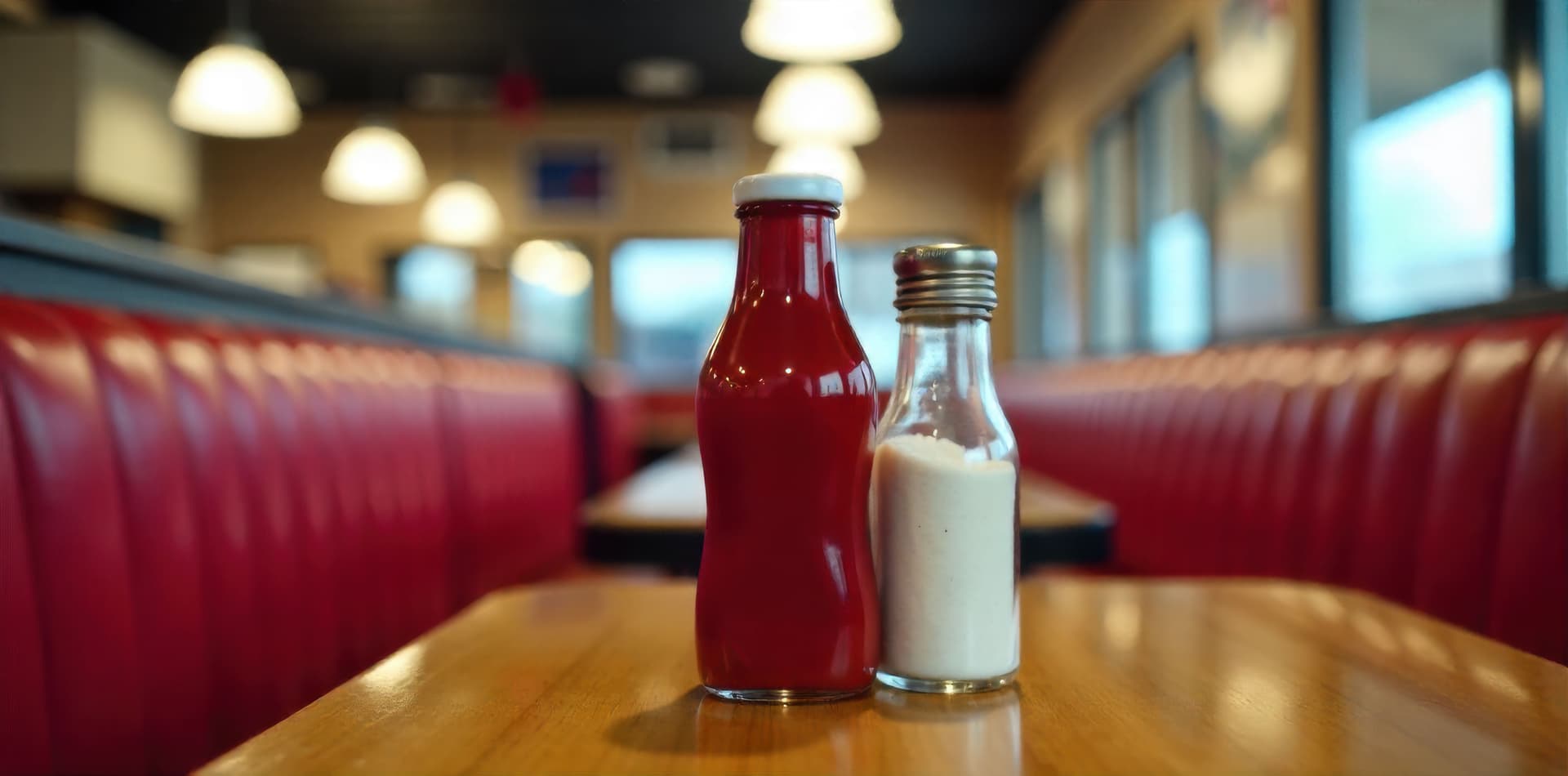
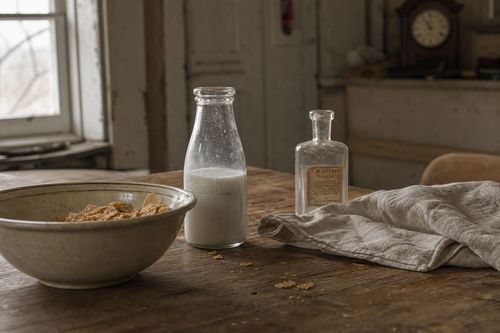
Vintage ketchup bottles and mushrooms

There is almost certainly a bottle of ketchup in your refrigerator right now. It has a red label, it's made of tomatoes, and it's probably Heinz. You've never questioned any of this. But the tomato version of ketchup is a relatively recent invention — and for most of ketchup's history, tomatoes had nothing to do with it whatsoever.

The word "ketchup" traces back to a Chinese fermented fish sauce called kê-tsiap — a salty, intensely savory liquid used across Southeast Asia for centuries. British sailors encountered it during trading voyages in the 1600s and brought the concept back to Europe, where cooks promptly began making their own versions using whatever umami-rich ingredients they had on hand. What they reached for wasn't tomatoes. It was mushrooms.

For over a century, ketchup in Britain and America meant mushroom ketchup — a dark, thick, intensely savory sauce made by packing mushrooms with salt, letting them break down, then cooking and bottling the liquid. Recipes for mushroom ketchup appeared in American cookbooks as early as 1770. Walnut ketchup was also popular. Oyster ketchup existed. The word "ketchup" simply meant a savory, vinegary condiment — and the tomato version was just one obscure variety among many.

Tomatoes had a reputation problem. For most of the 18th and early 19th centuries, Europeans and Americans treated them with deep suspicion — they were cousins of deadly nightshade, often called "poison apples," and most people wouldn't touch them. The first known tomato ketchup recipe didn't appear until 1812, and even then, the early versions were unstable, watery, and prone to spoiling within days. Nobody was particularly excited about them.

Enter Henry Heinz. In 1876, the Pittsburgh condiment entrepreneur began selling bottled tomato ketchup — but he wasn't the first to do so. What made Heinz different was chemistry and marketing. He figured out that using fully ripe tomatoes with higher levels of natural pectin, combined with generous amounts of vinegar and sugar, created a product stable enough to sit on a shelf for months without preservatives. He also made it sweet, which American palates loved. The formula worked.

Then came the marketing machine. Heinz's "57 Varieties" campaign — introduced in 1896, even though the company was already selling over 60 products — plastered ketchup onto every shelf and table in America. By 1900, Heinz's tomato ketchup was so dominant that the centuries-long reign of mushroom ketchup effectively ended almost overnight. History quietly forgot that "ketchup" had ever meant anything else.

Mushroom ketchup never fully disappeared — a British brand called Geo. Watkins still makes and sells it today, and it's a staple ingredient in traditional British cooking. But in America, one man's shelf-stable tomato formula became so synonymous with the word "ketchup" that generations of people grew up not knowing there had ever been anything else.

The condiment didn't change because tomatoes were better. It changed because one company figured out how to make tomatoes last — and then convinced everyone that's how it had always been. Next time you squeeze that red bottle, know that somewhere, a 250-year-old mushroom recipe is quietly judging you.
Related Content

Food Facts

13 April 2026

Post

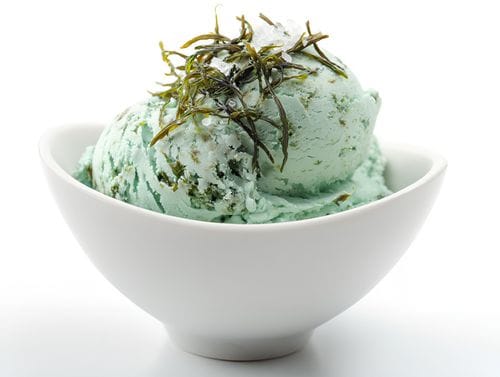
Why Your Ice Cream Has Seaweed in It

A thickener made from red seaweed is in almost every ice cream, yogurt, and plant-based milk you buy — and scientists can't quite agree on whether it's safe....

Food Facts

01 February 2026

Post

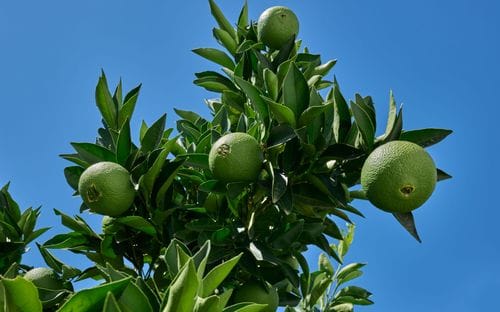
Why Oranges Aren't Orange in Tropical Countries

Oranges only turn orange in cold weather. In tropical climates they stay green when ripe. U.S. oranges are often gassed to turn them orange artificially....

Food Facts

29 January 2026

Post

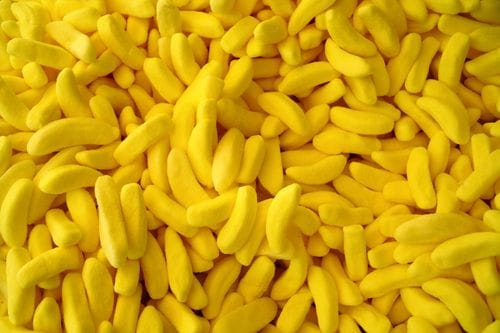
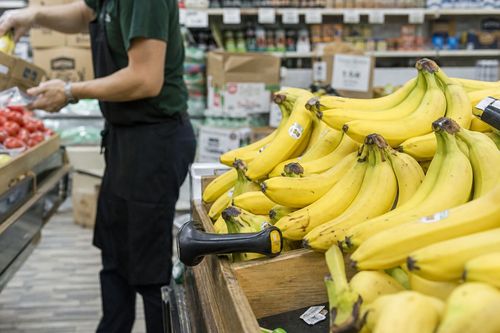
Why Banana Flavoring Tastes Nothing Like Bananas

Artificial banana flavor tastes like Gros Michel bananas, which went extinct in the 1950s. The "fake" flavor is actually more authentic than modern bananas....

Food Facts

09 January 2026

Post

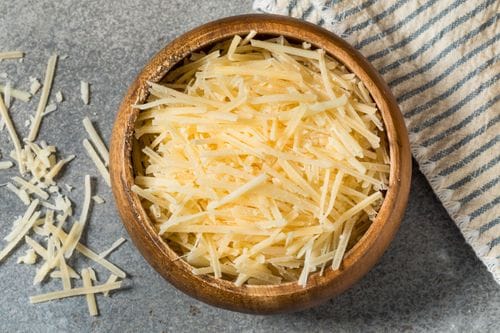
The Wood Pulp Hiding in Your Shredded Cheese

That "cellulose" in your shredded cheese? It's wood pulp. Some brands contain up to 9% processed tree fibers - and it's perfectly legal....

Food Facts

09 December 2025

Post

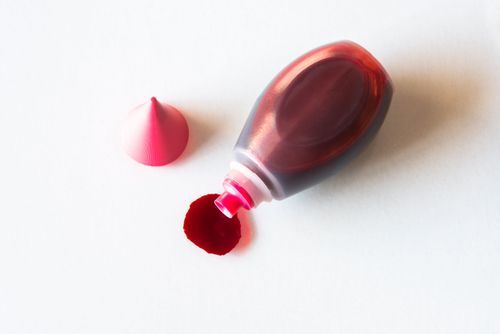
Red Dye No. 3 - Banned Then Not Banned

The FDA banned Red Dye No. 3 from lipstick in 1990 for causing cancer but kept it in food for 34 more years—until activists forced them to finally act....

Food Facts

07 October 2025

Post

The Restaurant Chain That Serves the Same Food as Five Other Brands

Major chains like Chili's, IHOP, and Chuck E. Cheese operate 3-5 fake restaurant brands from the same kitchen using identical ingredients and staff....

Food Facts

17 September 2025

Post

The Fruit That Tricks Your Taste Buds Into Tasting Sweet

Miracle berries contain a protein that makes sour foods taste sweet for hours. The FDA banned them after pressure from the sugar industry in the 1970s....

Food Facts

11 September 2025

Post

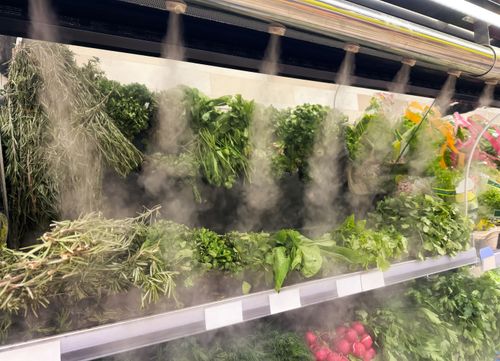
The Shady Reason Grocery Stores Spray Water on Vegetables

Grocery store misting systems add weight to vegetables for profit and create an illusion of freshness while actually making produce spoil faster....

Food Facts

08 September 2025

Post

The Hidden Bug Ingredient in Your Red Food

Carmine red food coloring is made from crushed insects. This bug-based ingredient hides in everyday foods under natural coloring labels....

Food Facts

15 August 2025

Post

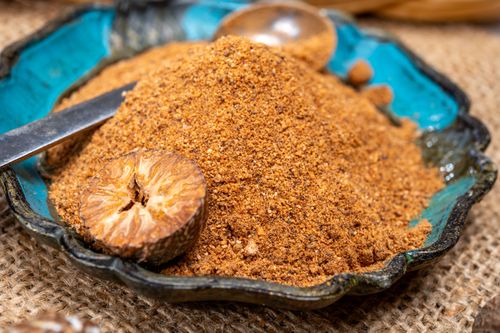
The Fruit That Can Make You Hallucinate

Nutmeg contains powerful hallucinogenic compounds that can cause 24-hour psychedelic trips and emergency room visits from accidental overdoses....

Food Facts

13 July 2025

Post

The Secret Ingredient in Every Soda

Every major soda brand contains caffeine, even the ones that claim to be "caffeine-free"....

Food Facts

05 July 2025

Post

Why Cashews Are Never Sold in Their Shells

Cashews are never sold in their shells because the shell contains caustic oil that causes severe chemical burns....

Food Facts

03 June 2025

Post

There Are More Ways to Shuffle a Deck of Cards Than Atoms on Earth

There are more ways to arrange a deck of cards than there are atoms on our entire planet!...

Food Facts

02 June 2025

Post

Turkey's Derinkuyu: An 18-Story Underground City That Housed 20,000 People

Beneath the town of Derinkuyu in Turkey lies one of the most incredible archaeological discoveries of the 20th century ...

Food Facts

01 June 2025

Post

Bananas Are Technically Berries, But Strawberries Definitely Aren't

Prepare to have your fruit knowledge completely turned upside down: bananas are berries, but strawberries aren't!...
Terms and ConditionsDo Not Sell or Share My Personal InformationPrivacy PolicyPrivacy NoticeAccessibility NoticeUnsubscribe
Copyright © 2026 Fun Fact Feed