Animal Facts

Trending Now

Burning Black Cats: The Grim Halloween Tradition

Burning Black Cats: The Grim Halloween Tradition

One of these black cat burning claims is true, one is totally made up. Find out which dark Halloween tradition really happened.

Read more
The Horror Scene That Paid Actors Per Sting

The Horror Scene That Paid Actors Per Sting

One 1992 horror film offered its star cash for every bit of real pain he endured.

Read more
New England's Teenage Vampire Panic of 1892

New England's Teenage Vampire Panic of 1892

A dying brother, a dug-up grave, and a ritual that still unsettles Rhode Island today.

Read more
The Exorcist's Hidden Horror Movie Secret

The Exorcist's Hidden Horror Movie Secret

One of these creepy Exorcist cast claims actually happened, the other is made up. Find out which one is true.

Read more
The Exorcist's Hidden Horror Movie Secret

The Exorcist's Hidden Horror Movie Secret

One of these creepy Exorcist cast claims actually happened, the other is made up. Find out which one is true.

Read more
See All Content
logo
  • Sports

  • History

  • Language

  • Food

  • Tech

  • Animals

  • Sports
  • History
  • Language
  • Food
  • Tech
  • Animals
  • ​

Cows Have Best Friends — and Science Can Prove It

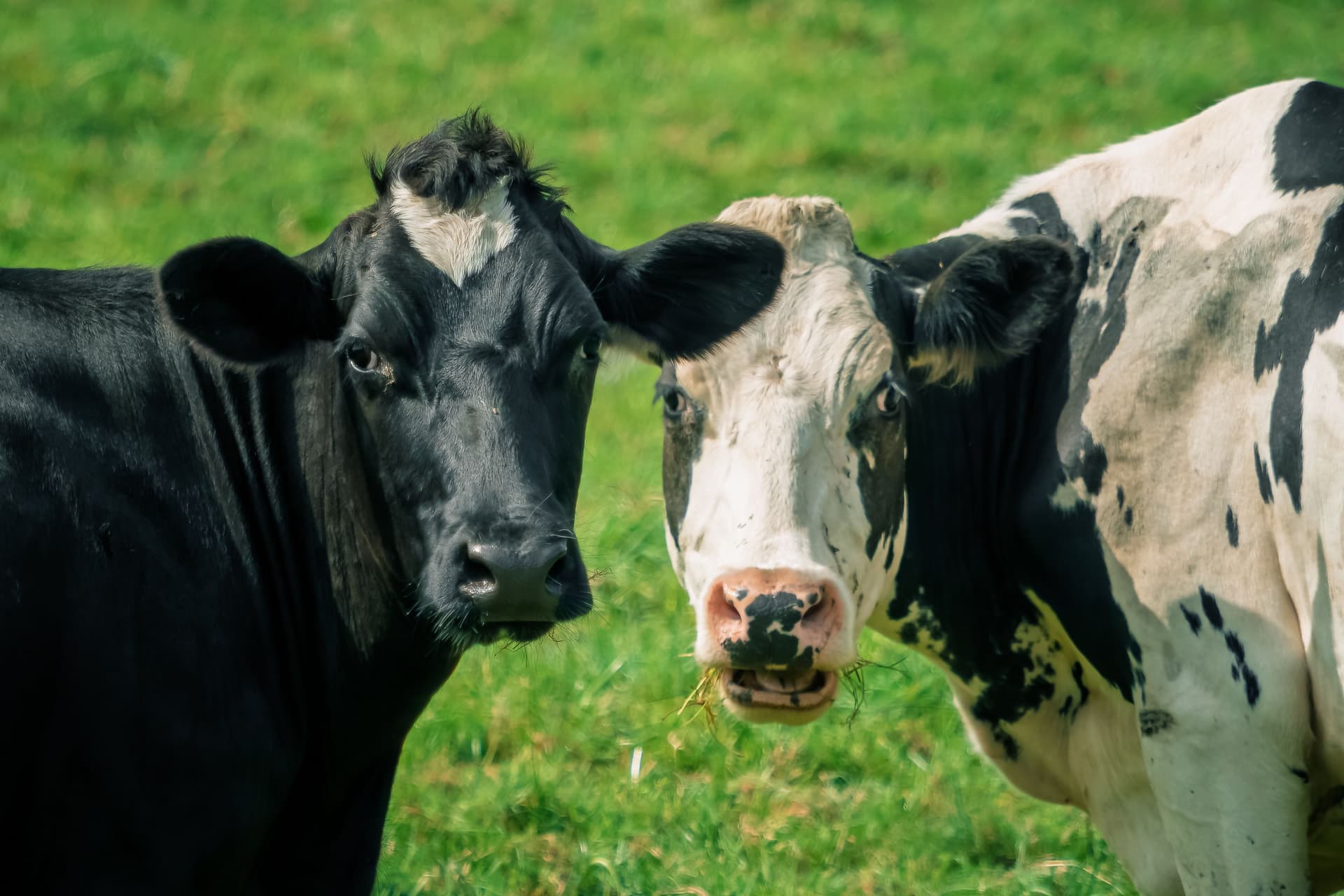
Two cows standing close together in a field

Cows are not animals most people spend much time thinking about emotionally. They graze, they produce milk, they exist in large herds where individual relationships seem beside the point. Researchers at the University of Northampton decided to look more closely — and what they found was difficult to dismiss.

The study was straightforward. Cows were placed in a pen for 30 minutes — first with another cow they had been observed spending consistent time with, then with a cow they had no particular relationship with. Heart rate monitors were attached throughout. The results were clear enough that the researchers had to sit with them for a while.

When cows were penned with their preferred companion, their heart rates dropped, their stress indicators fell, and their behavior was calm and settled. When they were placed with an unfamiliar cow instead, the opposite happened — elevated heart rates, visible agitation, restlessness. The difference wasn't subtle. It was the kind of physiological gap you'd expect to see in an animal that genuinely registers who it's with.

A follow-up study at the University of British Columbia added another layer. Researchers found that calves raised alongside a preferred companion performed significantly better on cognitive tasks than calves raised in isolation. In one test, calves had to learn which of two bottles contained milk. When the milk was switched to the other bottle, calves with companions adapted faster — suggesting that social bonds don't just reduce stress, they appear to make cows smarter.

The bonds themselves form in recognizable ways. Cows engage in allogrooming — deliberately licking one another around the head and neck — as a primary way of maintaining relationships. Studies show this grooming is not random: cows lick the individuals who have previously groomed them, suggesting a reciprocal, intentional social behavior rather than a reflexive one. Cows that received grooming from others showed measurably lower heart rates during the interaction — the bovine equivalent of the physical comfort of a trusted friend.

What makes the research particularly striking is what happens when these bonds are disrupted. Modern dairy farming regularly involves regrouping — moving cows between pens based on their production stage, sometimes four to twelve times a year. Each regrouping forces cows to navigate new social hierarchies and lose established relationships, triggering stress responses that researchers can now quantify. Elevated cortisol. Increased vocalization. Behavioral changes that mirror what you'd expect from any social mammal abruptly separated from the individuals it trusts.

It's worth being precise about what the science does and doesn't say. Cows don't form friendships the way humans do — the bonds tend to be strongest in younger animals and can shift over time. But the preference is real, the stress response is real, and the physiological difference between being with a chosen companion versus a stranger is documented and repeatable.

The animal most of us picture standing blankly in a field turns out to have specific individuals it seeks out, specific individuals it relaxes around, and a measurable emotional response when those individuals are taken away. Whether or not that counts as friendship depends on your definition — but the data makes a compelling case that something meaningful is happening in that field.
Related Content

Animal Facts

15 October 2026

Post

That Cozy Autumn Smell Has a Dark Backstory

The air that makes fall feel magical comes from a process you'd never guess....

Animal Facts

15 October 2026

Post

A Ferret's Love Life Is a Matter of Life or Death

One small mammal faces a biological deadline every single year, and skipping it is fatal....

Animal Facts

13 October 2026

Post

Your Brain Is Quietly Eating Parts of Itself

There's a cleanup crew inside your skull working right now, and you'll never notice it happening....

Animal Facts

10 October 2026

Post

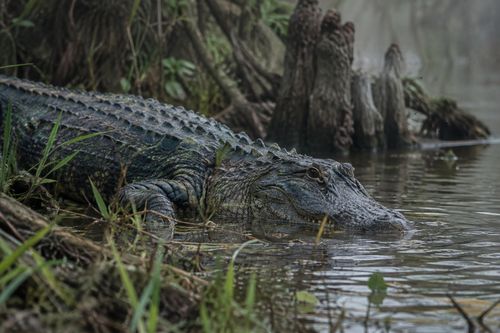
The Alligator Anatomy That Defies All Logic

One reptile's reproductive system works nothing like you'd guess. It stays hidden until the exact second it's needed....

Animal Facts

08 October 2026

Post

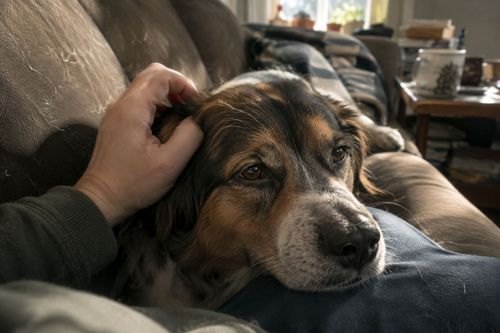
Petting a Dog Lowers Two Heart Rates at Once

A few minutes of petting changes something in both bodies at the same time....

Animal Facts

06 October 2026

Post

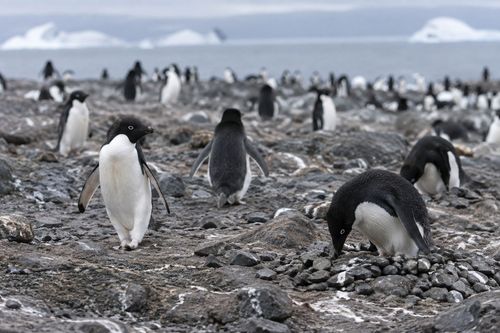
The Penguins Who Trade Favors for Pebbles

Some penguins strike unusual bargains during nesting season, and pebbles are at the center of it....

Animal Facts

06 October 2026

Post

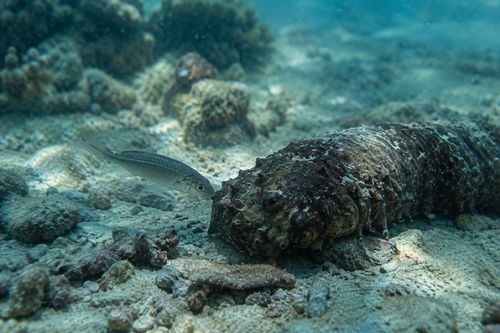
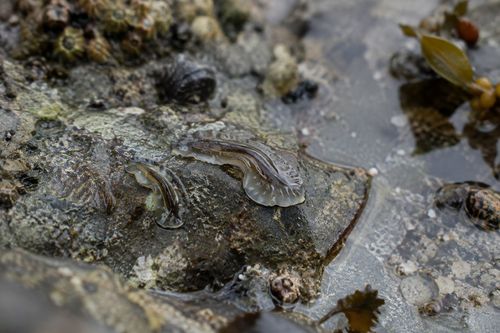
The Fish That Lives Inside a Sea Cucumber's Body

One tiny fish picked the strangest possible roommate in the entire ocean....

Animal Facts

05 October 2026

Post

The Worm Duel That Ends in a Sperm Sword Fight

One tiny sea worm fights to avoid a role nobody wants in its own mating game....

Animal Facts

30 September 2026

Post

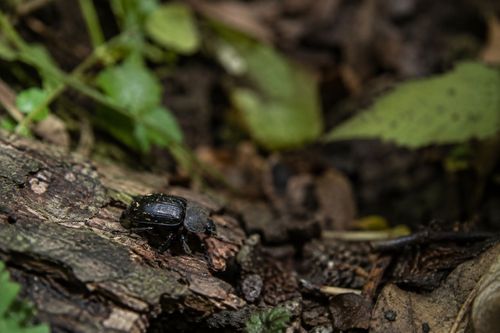
The Beetle That Farts Boiling Acid at Predators

One insect fights off attackers with a defense mechanism that sounds physically impossible....

Animal Facts

30 September 2026

Post

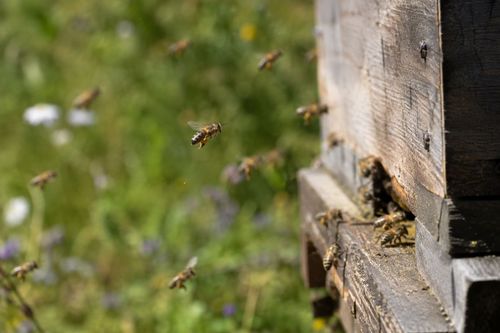
The Bee That Explodes at the Moment of Mating

One insect's love life ends in under five seconds. It's brutal, and it's real....

Animal Facts

27 September 2026

Post

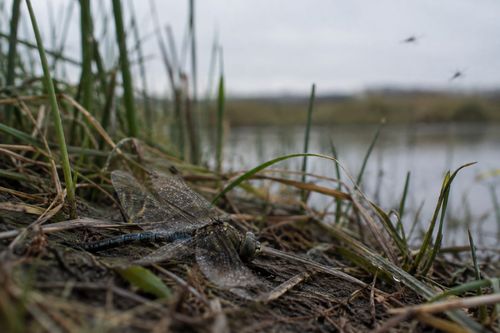
This Dragonfly Fakes Her Own Death to Get Some Peace

One flying insect has a bizarre trick for dodging unwanted attention mid-air....

Animal Facts

26 September 2026

Post

One Flight Decides an Ant Queen's Entire Life

One brief flight determines everything for an ant queen. What happens up there is wild....

Animal Facts

24 September 2026

Post

Corpses Can Still Get Goosebumps After Death

A muscle reflex most people assume stops at death actually lingers a bit longer than expected....

Animal Facts

23 September 2026

Post

The Sheep Study That Surprised Animal Scientists

One farm animal behavior study found something researchers didn't expect at all....

Animal Facts

20 September 2026

Post

Why Sloths Can't Actually Fart Like Other Mammals

Sloths are slow at everything, even this. The reason involves their gut, not their manners....
Terms and ConditionsDo Not Sell or Share My Personal InformationPrivacy PolicyPrivacy NoticeAccessibility NoticeUnsubscribe
Copyright © 2026 Fun Fact Feed